


 Asian Stocks Rally as AI Optimism Fuels Chipmaker Surge
  JPMorgan Sees ECB Raising Rates to 2.75% in December
  Google Changes EU Spam Policy Amid Antitrust Scrutiny
  Trump Grants Clemency to Jay-Z Associate Emory Jones
  Putin Meets US Envoys in Moscow as Ukraine Peace Push Intensifies
  Milei Threatens Falkland Oil Firms With Sanctions
  SEC Sues Former Tricolor Executives Over $1.9 Billion Investor Fraud Scheme
  Chinese AI Stocks Rally After OpenAI Launches GPT-6 Astra
  US Investigates Deadly Strike on Iranian Wedding
  Israel Strikes Southern Lebanon After Hezbollah Drone Attack
  European Stocks Flat as Iran Tensions, ECB Rate Hike Loom
  Lavrov Accuses Germany of ‘Declaring War’ on Russia
  Iran Vows Tougher Response as U.S. Sanctions Squeeze Economy
  Yen Rebounds as BOJ Rate Hike Bets Rise
  Turkey Targets 5% Economic Growth by 2029
  Asian Currencies Mixed as Yen Rallies on BOJ Bets
  Trump Imposes New US Tariffs on Drone Imports Over National Security Concerns


 Add as a preferred source on Google
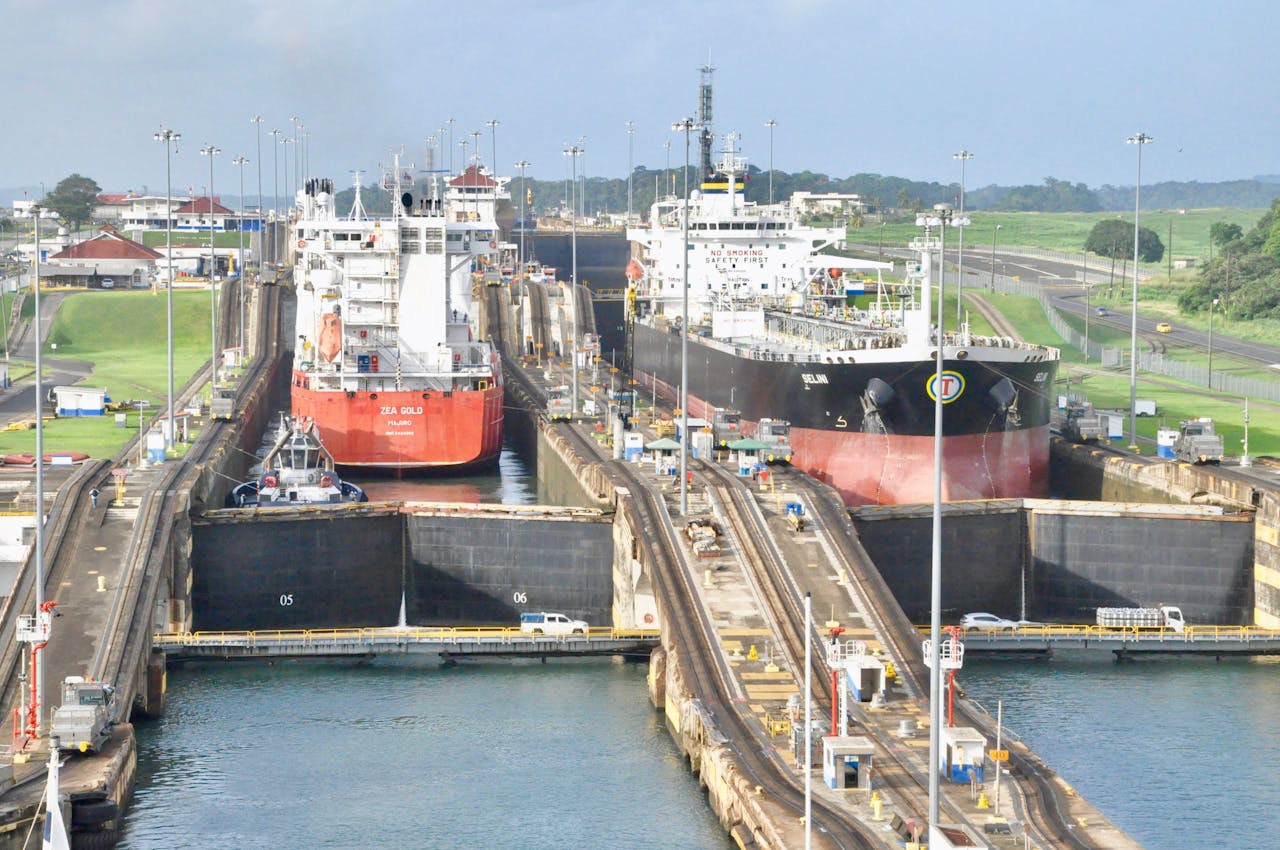
Panama President Jose Raul Mulino has reaffirmed his country’s stable diplomatic relationship with China, even as Panama becomes entangled in rising geopolitical tensions between the United States and China over strategic infrastructure. Speaking during a regular press briefing, Mulino emphasized that Panama remains neutral while navigating a sensitive dispute involving port concessions near the Panama Canal, a critical artery for global trade.
Mulino revealed that Panama recently received a “high-level” communication from the Chinese government through its ambassador. The message clarified that the disagreement over port contracts—previously held by Hong Kong-based CK Hutchison—would be handled through international arbitration rather than escalating into a bilateral conflict. This development signals a more diplomatic tone from Beijing despite ongoing concerns.
The Panama Canal, responsible for handling approximately 5% of global maritime trade, has become a focal point in the broader U.S.-China rivalry. Control over port operations at the canal’s entrances carries significant strategic and economic implications. Earlier this year, Panama’s Supreme Court ruled against CK Hutchison’s long-standing concession, leading to the transfer of port operations to global shipping firms APM Terminals (Maersk) and Terminal Investment Limited (MSC).
Mulino defended the government’s decision, stating that the ports were not expropriated but rather taken over due to the absence of a valid contract. He stressed that Panama has no intention of escalating tensions with China and seeks a fair and lawful resolution through arbitration.
However, the situation remains complex as Panama has reported an unusual increase in inspections and detentions of Panama-flagged vessels in Chinese ports. This has raised concerns about potential economic pressure. The United States and its allies have expressed support for Panama’s sovereignty, while China has dismissed such statements as politically motivated.
Mulino concluded by urging restraint, noting that Panama should not be used as leverage in a broader geopolitical conflict, and reaffirmed his commitment to protecting the country’s maritime interests and global trade role.







