


 ICE Agent Arrested in Minneapolis Over Venezuelan Man Shooting
  U.S. Imposes New Visa Restrictions Over South Africa Policies
  Nvidia CEO Jensen Huang Expected at Trump-Xi State Dinner
  Brazil Warns EU of Retaliation Over Animal Products Ban
  Australia Tightens Student Visa Rules, Targets Migration Cut by 2028
  France Urges Faster AI Push Despite Safety Risks
  Iran Economic Crisis Forces Afghan Families to Return Home
  Who should own the knowledge that underpins AI technology?
  Paris Talks Focus on Lebanon Army Needs as UNIFIL Exit Looms
  US Officials Meet Houthis in Oman Amid Yemen Offensive
  Ukraine Races to Counter Russia’s Faster Jet-Powered Drones
  UK PM Andy Burnham Set for First Trump Meeting in New York
  Texas Republicans Turn Against AI Data Centers as Election Backlash Grows
  US Allies Fear Trump Could Soften Taiwan Stance in Xi Talks
  DOJ Will Investigate AI-Related Crimes, Attorney General Blanche Says
  Trump Eyes End to Iran War, Plans Gulf Leaders Meeting
  Nvidia-Groq AI Chip Deal Faces U.S. Antitrust Probe


 Add as a preferred source on Google
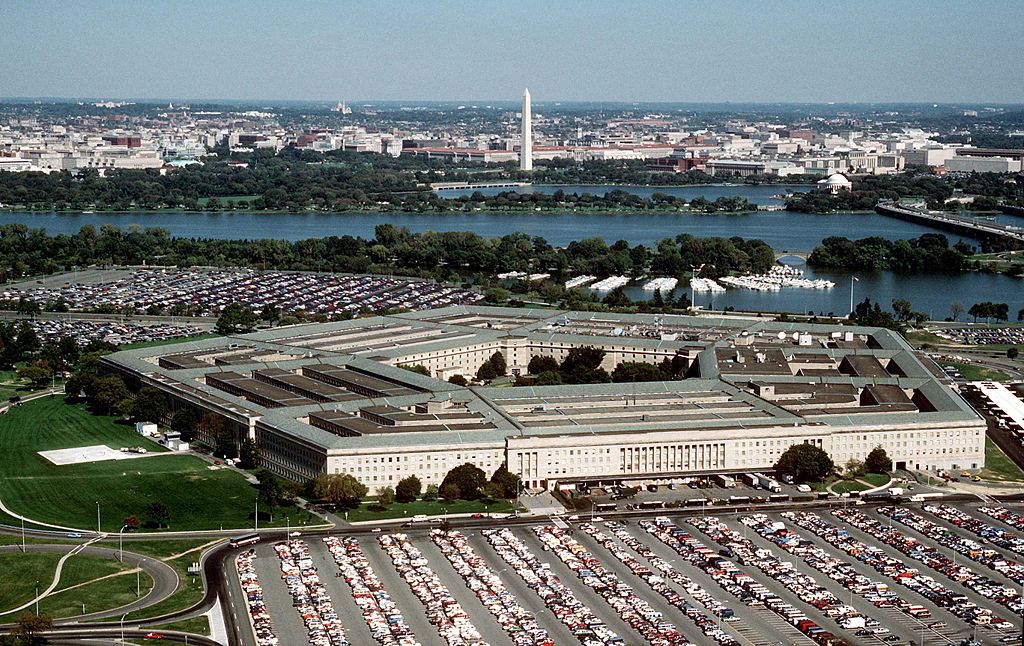
The Pentagon has placed roughly 1,500 active-duty U.S. Army soldiers on prepare-to-deploy status amid escalating protests in Minnesota linked to the federal government’s immigration enforcement campaign, according to U.S. media reports. The move comes as demonstrations intensify following a surge of Immigration and Customs Enforcement (ICE) operations in the state, particularly in Minneapolis and St. Paul.
According to the Washington Post, which cited unnamed defense officials, the soldiers have been ordered to prepare in case unrest worsens, though no final decision has been made on whether they will be deployed. The White House told the newspaper that it is routine for the Department of Defense to remain ready for any potential presidential decision. Both the Pentagon and the White House declined to comment directly to Reuters.
President Donald Trump has threatened to invoke the Insurrection Act, a rarely used federal law that allows the president to deploy active-duty military forces or federalize the National Guard to suppress domestic unrest. In a post on his Truth Social platform, Trump warned Minnesota officials that failure to stop protesters from confronting immigration officers could prompt military intervention.
The protests intensified after a deadly incident on January 7, when an ICE agent fatally shot Renee Good, a U.S. citizen and mother of three, during a traffic stop in Minneapolis. Since then, tensions between residents and federal agents have increased, with community leaders accusing the administration of inflaming the situation.
Reports indicate that the soldiers under consideration belong to two infantry battalions specializing in cold-weather operations under the 11th Airborne Division, based in Alaska. Meanwhile, the administration has already deployed nearly 3,000 ICE and Border Patrol agents to the Minneapolis–St. Paul area as part of a broader crackdown targeting cities led by Democratic officials.
Minnesota Governor Tim Walz has activated the state’s National Guard to assist local law enforcement and emergency management, while also criticizing what he describes as federal overreach. The situation highlights an ongoing national debate over immigration enforcement, federal authority, and the potential use of military forces on U.S. soil under the Insurrection Act.







