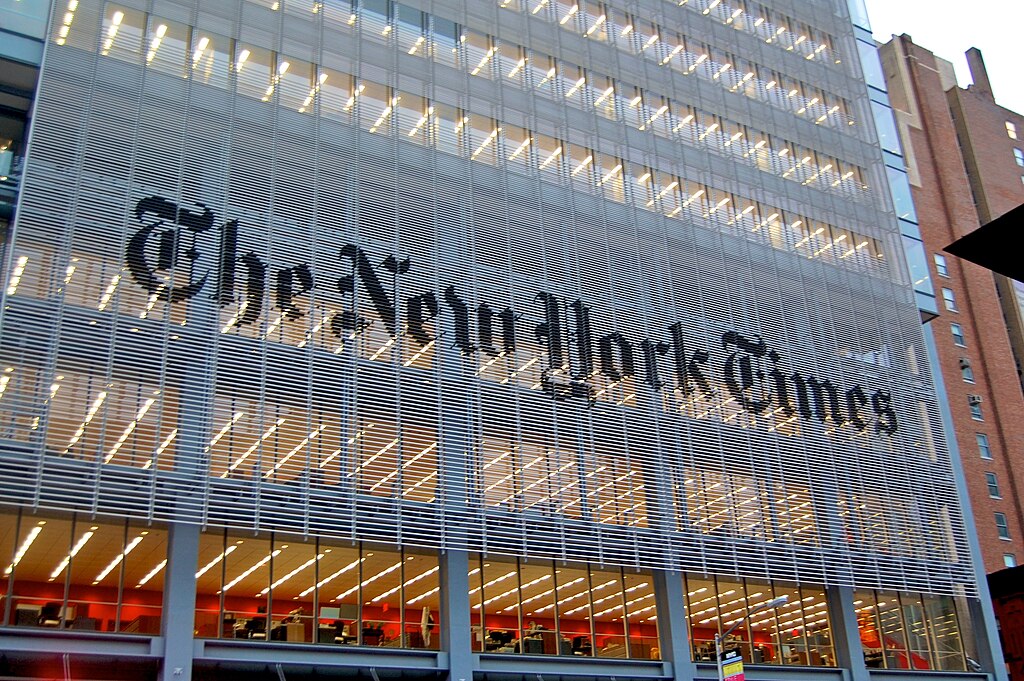
In an unprecedented move, the Trump administration announced that four major media outlets—The New York Times, NBC News, NPR, and Politico—must vacate their dedicated Pentagon office spaces by February 14. The decision, part of a "New Annual Media Rotation Program," aims to provide access to new outlets, including the New York Post, One America News Network, Breitbart News, and HuffPost News.
The Pentagon’s memo states that each year, one outlet from print, online, television, and radio will be rotated out to allow fresh perspectives within the Pentagon Press Corps. However, affected organizations argue that the move restricts critical reporting access. NBC News expressed disappointment, citing its decades-long presence at the Pentagon. The New York Times reaffirmed its commitment to covering defense affairs despite losing its office space, while NPR urged the Defense Department to expand access rather than limit it. Politico's senior editor Anita Kumar called the decision concerning, emphasizing the importance of rigorous journalism.
Currently, more than two dozen news organizations operate from the Pentagon. Although losing office spaces, these outlets remain full members of the Pentagon Press Corps. John Ullyot, acting assistant to the secretary of defense for public affairs, clarified that the change merely reallocates workspace without barring affected outlets from reporting.
The Pentagon Press Association, representing defense journalists, condemned the decision as an attack on press access. Reuters correspondent Phil Stewart, a board member of the association, echoed concerns over media restrictions. Critics argue that reducing access to top-tier media organizations could limit transparency and public insight into military affairs.