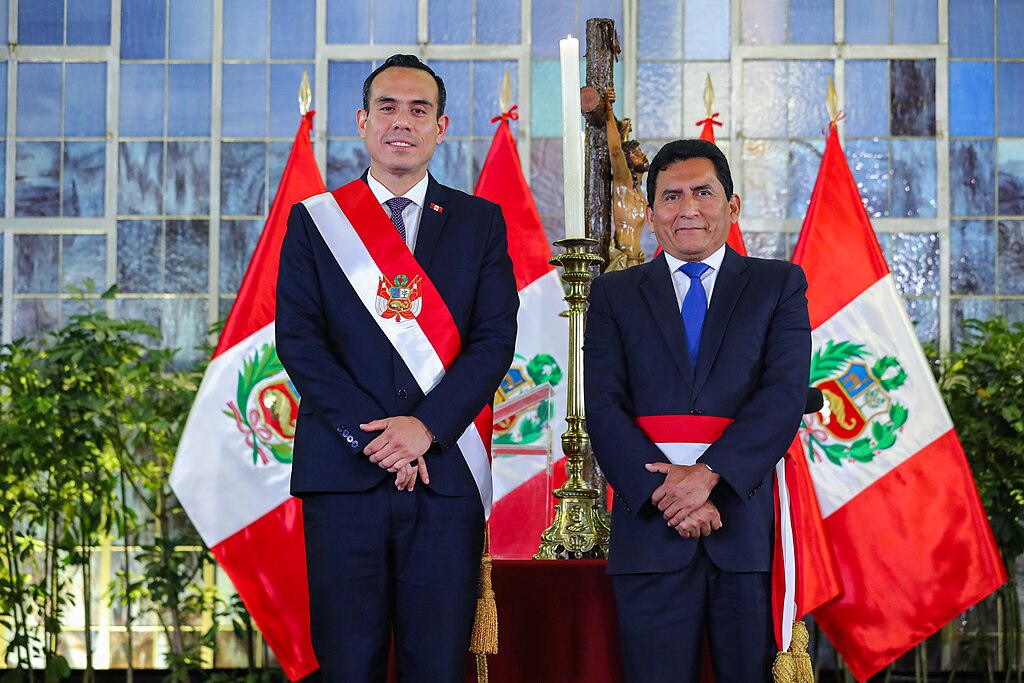
Peru is preparing to declare a state of emergency along its border with Chile as growing numbers of migrants attempt to enter the country, President José Jerí announced on Friday. The decision comes amid heightened tensions after Chilean presidential frontrunner José Antonio Kast pledged to expel undocumented migrants if elected, prompting many to seek entry into neighboring nations.
President Jerí stated on X that the emergency measure aims to “generate tranquility before the risk of migrants entering without authorization,” signaling a stronger security stance in response to the developing situation. Peruvian authorities say the move is intended to prevent unauthorized crossings while ensuring stability in border communities.
According to Peruvian police General Arturo Valverde, at least 100 foreign nationals—mostly Venezuelans—are currently gathered at the Peru-Chile border hoping to cross into Peru. He told Canal N that surveillance efforts have already been intensified in anticipation of the emergency declaration. Valverde emphasized that officers are closely monitoring the area to manage any surge in migration attempts.
The rise in border activity follows harsh rhetoric from Kast, a far-right candidate favored to win Chile’s upcoming presidential runoff against leftist contender Jeannette Jara. In a video message recorded at the border on November 20, Kast warned undocumented migrants that they must leave Chile voluntarily in the coming months or face arrest and expulsion once he takes office. “If you don’t leave voluntarily, we will detain you, retain you, expel you, and you’ll leave with what you have on,” he declared.
As pressure mounts on migrants throughout South America, Peru’s emergency declaration underscores growing regional concerns over immigration control, border security, and political instability. The situation continues to evolve as both nations brace for the impact of shifting migration policies and the outcome of Chile’s presidential election.