


 Europe can’t achieve space sovereignty alone. Here’s why
  Guterres Urges Stronger Global AI Safeguards Ahead of UN Assembly
  Trump Hopes Iran War Nears End as Yemen Fighting Escalates
  U.S. Issues Cuba Health Alert as Illnesses Rise
  Vietnam, U.S. Firms Plan 29 Deals Across Energy, Tech and Aviation
  What is Zionism? The different meanings of a contested term
  US Allies Fear Trump Could Soften Taiwan Stance in Xi Talks
  US Judge Dismisses Imran Ahmed Deportation Lawsuit
  Nvidia CEO Jensen Huang Expected at Trump-Xi State Dinner
  France Targets Shein, Temu With Fast-Fashion Fees
  Texas Republicans Turn Against AI Data Centers as Election Backlash Grows
  Australia Tightens Student Visa Rules, Targets Migration Cut by 2028
  Ukraine Tests New Anti-Drone Weapon After Successful Shahed Intercept
  South Korea’s Cho Hyun to Meet Rubio in Washington
  Iran Economic Crisis Forces Afghan Families to Return Home
  Trump Threatens EU Tariffs Over Canada Membership Proposal
  Japan, U.S. Discuss $19 Billion GlobalFoundries Chip Plant


 Add as a preferred source on Google
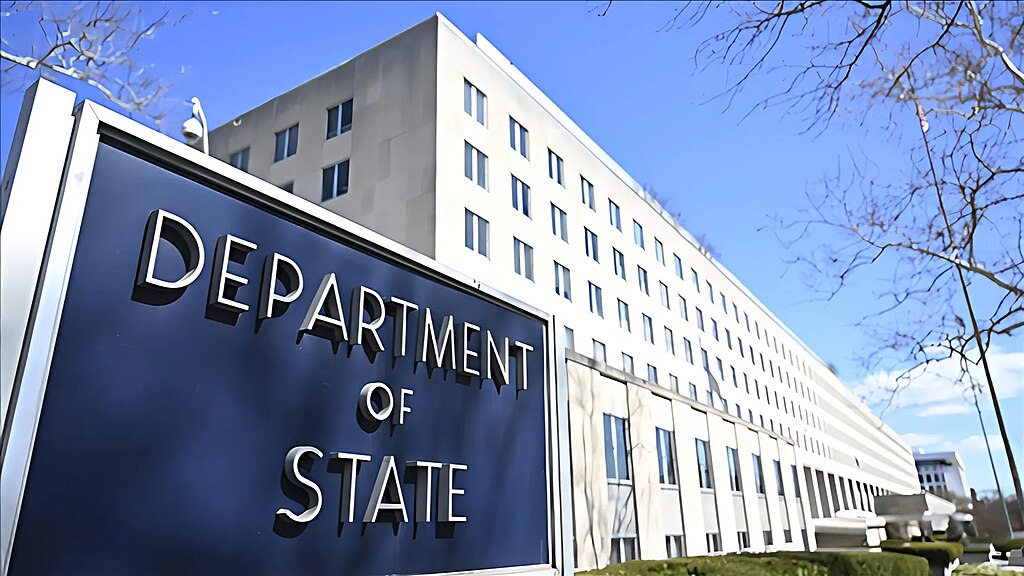
The Trump administration has instructed U.S. diplomats worldwide to stop processing all visas for Afghan nationals, effectively freezing immigration pathways for thousands of Afghans who previously worked with or supported the United States during its two-decade presence in Afghanistan. According to a State Department cable reviewed by Reuters, consular officers were ordered to immediately reject all immigrant and non-immigrant visa applications submitted by Afghan passport holders, including those applying through the Special Immigrant Visa (SIV) program.
The directive came just two days after a former member of a CIA-backed Afghan strike unit was accused of shooting two U.S. National Guard soldiers in Washington, D.C., one of whom later died. Following the incident, Secretary of State Marco Rubio posted on platform X that visa issuance for “ALL individuals” traveling on Afghan passports would be paused as authorities assess identity-verification and eligibility concerns.
Although previously scheduled appointments for Afghan applicants will proceed, consular officers are expected to refuse visas during those interviews. The cable further instructs diplomatic posts to reverse and cancel any approved visas that have not yet been printed, while printed visas must be destroyed and cases updated to reflect refusal. Earlier in the week, U.S. Citizenship and Immigration Services had already suspended the processing of immigration petitions filed by Afghan nationals.
Advocates say the move is part of a larger effort by the administration to block Afghan allies from resettling in the United States. Shawn VanDiver, president of AfghanEvac, said the policy shift reflects months of intentional tightening, warning that thousands who supported U.S. missions are now left in limbo.
Roughly 200,000 Afghans have entered the United States since 2021 through refugee programs and SIV pathways, while another 265,000 remain abroad awaiting decisions—about 180,000 of them linked to U.S. government employment. Since returning to office, President Trump has accelerated immigration enforcement, deploying federal agents to major cities and expanding restrictions at the southern border. The latest measures signal a broader push to restrict even legal immigration avenues following the recent attack in Washington.







