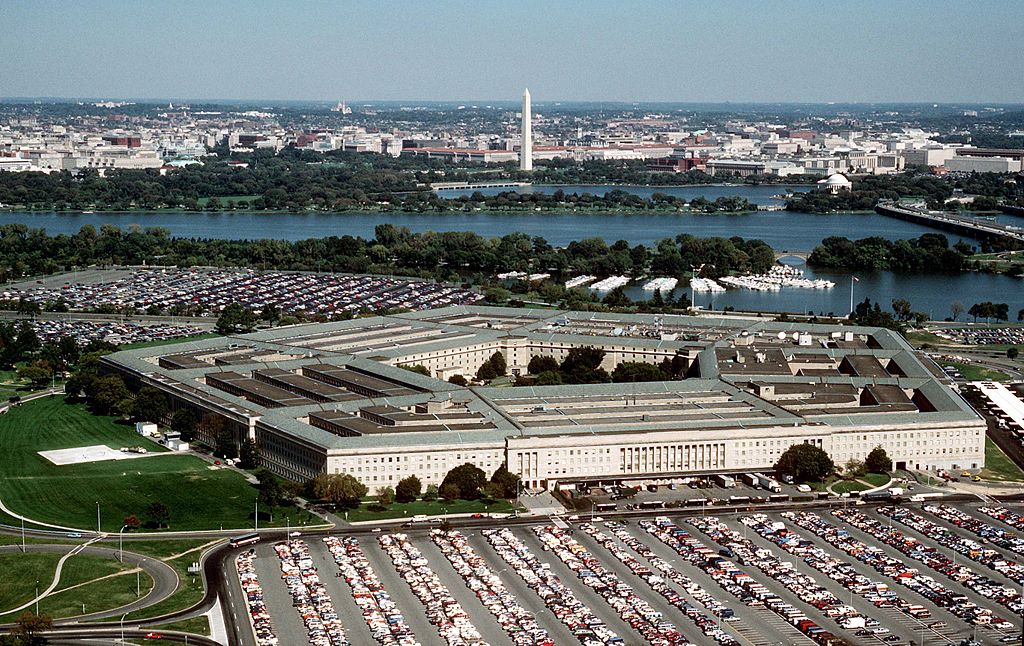
The Pentagon is in early discussions with major American manufacturers — including automotive leaders General Motors and Ford Motor — about redirecting a portion of their factory capacity and workforce toward producing military munitions and equipment, according to a Wall Street Journal report citing sources familiar with the matter.
Senior defense officials have been meeting with corporate executives to explore how commercial industrial capacity can be leveraged to support and supplement traditional defense contractors. The goal is to rapidly scale the domestic production of high-demand military hardware such as missiles, drones, and advanced tactical systems as global conflicts continue to strain existing U.S. stockpiles.
The outreach is part of a broader Trump administration push to place America's defense industrial base on what officials are calling a "wartime footing." Ongoing conflicts, particularly in Ukraine and involving Iran, have significantly depleted military supplies, prompting Washington to look beyond its conventional defense supply chain for solutions. Aerospace and industrial manufacturers GE Aerospace and Oshkosh Corporation are also among the companies engaged in these preliminary conversations.
This initiative signals growing concern within the U.S. government over the nation's limited domestic weapons production capacity. By bringing commercial manufacturers into the fold, the Pentagon aims to build more resilient and scalable supply chains capable of meeting rising national security demands — especially in a rapidly shifting geopolitical landscape.
While the discussions remain in early stages, the move reflects a significant strategic shift: treating America's broader industrial sector as a critical pillar of national defense. If successful, the effort could mark the most substantial integration of commercial manufacturing into the U.S. military supply chain in decades, echoing wartime industrial mobilizations of the past. The Pentagon has not made any formal announcements regarding production agreements or timelines as of this writing.