


 Hanmi Pharm Soars 30% on $2.3 Billion Genentech Obesity Drug Deal
  FDA Investigates New Cyclospora Outbreak as U.S. Cases Continue to Rise
  Marvell Stock Surges on $90 Billion AI Revenue Outlook
  SK Biopharmaceuticals Secures Global Rights to Biohaven Epilepsy Drug Opakalim
  Moderna Short Sellers Hit With $4.8 Billion Loss as Stock Soars
  Evernorth XRPN Nasdaq Listing Delayed to October 12
  Novo Nordisk Raises 2025 Outlook Despite Wegovy Pill Miss and CagriSema Setback
  SpaceX Seeks $40 Billion for Nvidia AI Chips
  Iceland 4x4 Rental Guide: When Do You Really Need Four-Wheel Drive?
  Gate Launches Gate Money as Crypto Super App Race Heats Up
  Intel Reaffirms Role in Elon Musk’s Terafab Chip Project
  Paramount Skydance Completes $110 Billion Warner Bros Discovery Deal
  US-Backed Pediatric HIV Treatment Drops After Foreign Aid Changes, Study Finds
  Novartis M&A Strategy Faces Investor Scrutiny After Drug Setbacks
  U.S. Issues Cuba Health Alert as Illnesses Rise
  LG Electronics Shares Slide as Q3 Profit Misses Estimates


 Add as a preferred source on Google
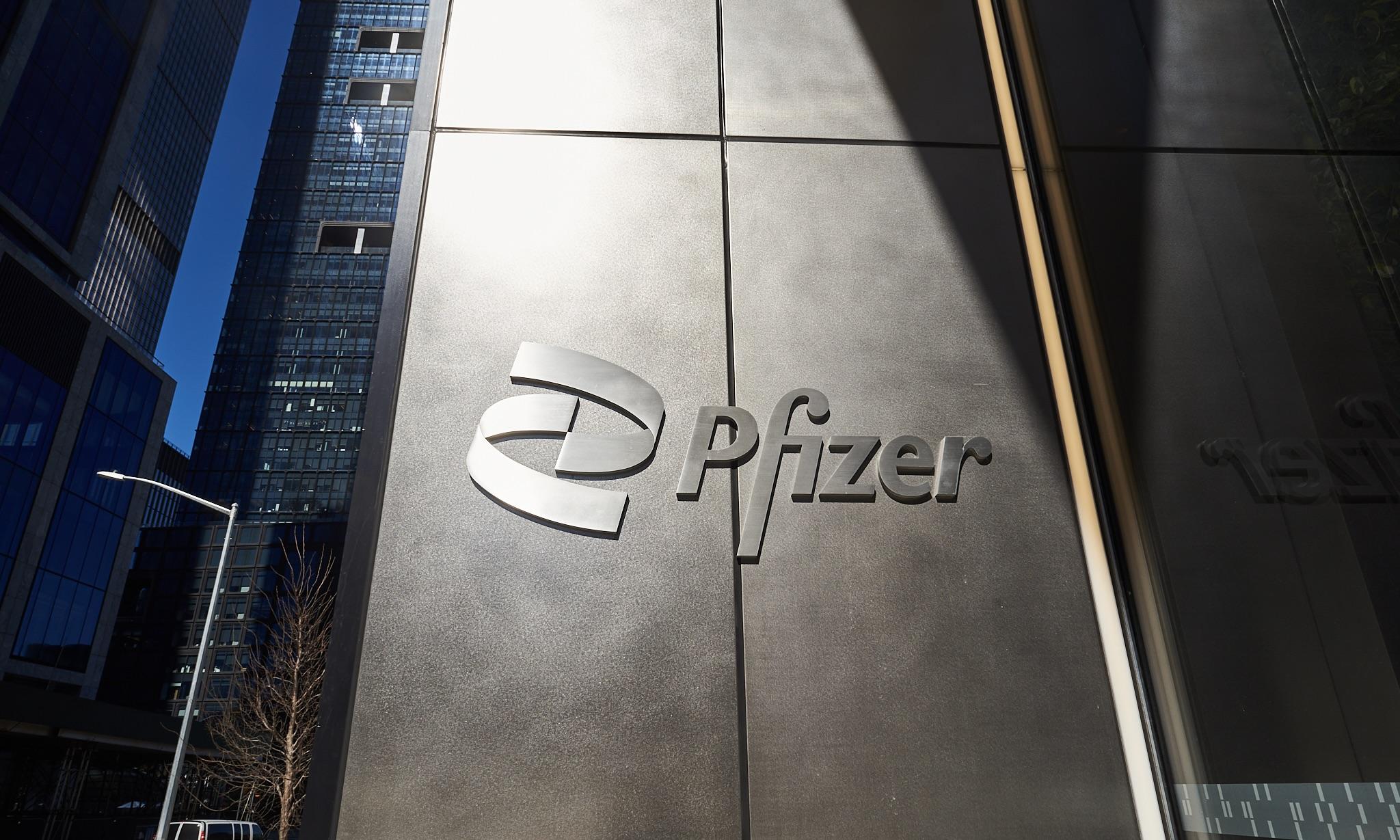
On Tuesday, Pfizer announced its decision to donate the rights of royalties from sales of the cancer drug Bavencio to the American Association for Cancer Research. This move comes as a response to concerns raised by US antitrust regulators regarding Pfizer's proposed $43 billion acquisition of Seagen.
After receiving all necessary regulatory approvals, the deal is set to close on Thursday, nearly nine months since its initial announcement, as per Reuters.
Reorganization and Leadership Changes
Pfizer plans to establish a separate division dedicated to cancer drugs as part of its efforts to streamline operations. Additionally, the company intends to split its remaining commercial business into two divisions, one focused on the United States and the other on the rest of the world.
Chief Commercial Officer Angela Hwang will step down, allowing Aamir Malik to assume the US unit's commercial chief role. In the international unit, Alexandre de Germay will take on the position of commercial chief.
Sales and Financial Outlook
Bavencio, a vital cancer drug, generated sales amounting to $271 million for Pfizer in 2022. This acquisition of Seagen, with its targeted cancer therapies, comes at a crucial time for Pfizer. Facing the anticipated decline in COVID-related sales and the looming threat of generic competition for its top-selling drugs, Pfizer seeks to bolster its oncology portfolio and maintain its position as a leader in the pharmaceutical industry.
However, the acquisition faced scrutiny from the US Federal Trade Commission (FTC) earlier this year. In July, the FTC requested more information on the deal from both parties involved, seeking to ensure compliance with antitrust laws. Despite this additional hurdle, Pfizer remains committed to moving forward with the acquisition and closing the deal as planned.
Business Times noted that Seagen, based in Washington, is recognized as a pioneer of antibody-drug conjugates. These innovative treatments function like "guided missiles," specifically designed to target and destroy cancer cells while sparing healthy cells. With this cutting-edge technology and expertise, Seagen contributes to advancing more effective and targeted cancer therapies.
Photo: Pfizer Newsroom







