Pfizer Inc.’s planned delivery of critical new medicines, such as respiratory syncytial virus (RSV) vaccine, to low-income nations, is likely to be delayed by several years due to several issues.
According to global health officials, Pfizer has not yet taken some of the necessary actions to make the vaccine accessible in developing nations.
They include getting the shot approved by the WHO and by nonprofit organizations that finance purchases in low-income countries, such as the global vaccine alliance Gavi.
Furthermore, the health agency prefers syringes that are automatically disabled after one injection for safety reasons to prevent reuse, but Pfizer's RSV vaccine is not made for those syringes.
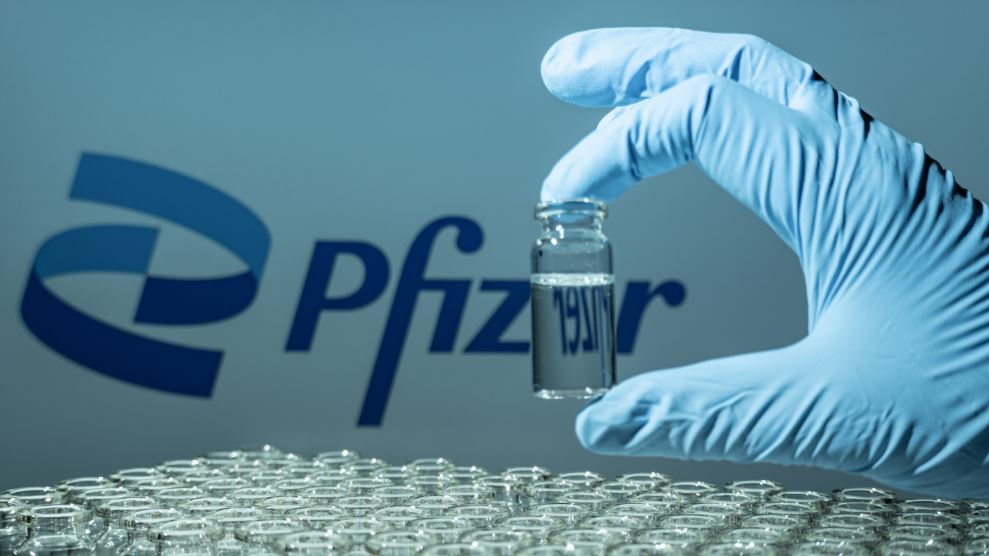
Additionally, the RSV shot is only presently offered in single-dose vials. Multi-dose vials are frequently utilized in situations with less resources since they are less expensive and easier to distribute.
Preservatives must be added to multi-dose vials, therefore the manufacturer must do further tests to make sure there will be no impact on the vaccine's safety or effectiveness.
The vaccine will need a different delivery system to be used in developing countries in Africa and Asia, including alternative packaging and syringes.
Preparations for those modifications are just beginning, according to the World Health Organization.
Pfizer committed to more equitable access last year, following criticism that it prioritized wealthy nations for doses of its COVID-19 shot early in the pandemic. The company says it wants to shorten a timeline in which poorer countries often get vaccines many years after they are available elsewhere.
The drugmaker received a $28 million grant from the Bill and Melinda Gates Foundation in September to support the launch of the RSV vaccine in poorer countries, where RSV, a common cold-like virus, is much more likely to be lethal for very young children.
Pfizer's maternal RSV vaccine is expected to be approved for use in pregnant women in August in the US and several months later in Europe. Its peak sales forecast is more than $2 billion annually, together with the maternal vaccine and an RSV shot for older adults.