


 Robinhood Launches AI Agents for Automated Trading
  California AG Subpoenas OpenAI Over AI Cybersecurity Incidents
  MSTR Stock Rises 3% as Strategy Challenges MSCI Bitcoin Stance
  WordPress Malware Uses Ethereum to Evade Removal
  Standard Chartered Sees Ethena ENA Hitting $2 by 2028
  Zcash Awards $8 Million in Grants After Orchard Bug Crisis
  Amazon Eyes $8 Billion Nvidia Chip Spinoff to Fund AI Expansion
  Nike Stock Slides as Revenue Miss Clouds Turnaround
  Evernorth Set for Nasdaq Debut With 473 Million XRP Treasury
  Sanofi, Regeneron Expand Drug Partnership in $8 Billion Deal
  Circle Urges EU to Revise MiCA Stablecoin Rules
  Trump, Tech Leaders Sign ‘Morally Binding’ AI Safety Accord
  DeepSeek, Huawei Partner on Ascend AI Chip Programming Tools
  Samsung Invests $1 Billion in KKR’s Helix AI Infrastructure
  Italgas to Buy 22.5% Stake in Portugal’s Floene for €120 Million
  SoftBank Shares Fall After $10 Billion OpenAI Investment
  TSMC Accelerates 2nm Expansion as AI Chip Demand Surges


 Add as a preferred source on Google
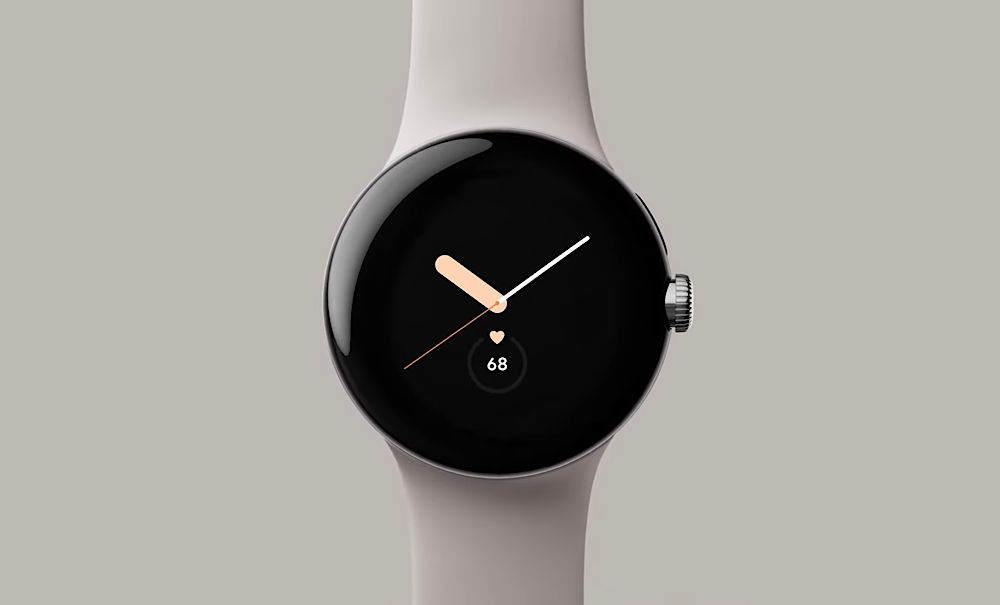
Google confirmed that the Wear OS would receive the same annual update treatment the Android operating system gets following the unveiling of the Pixel Watch last week. It means Google’s first in-house smartwatch will receive at least three versions of the Wear OS in the years to come.
The Wear OS went through somewhat of a rebirth last year. Apart from changing its name from Android Wear, Google also announced its partnership with Samsung to co-develop Wear OS as a “unified platform.” Now that Google has brought the Pixel Watch to the market, the company confirmed Wear OS would receive regular updates every year.
“Our goal is, from a platform perspective, for us to release a new version of Wear generally every year in a similar fashion to mobile, partly because we need to support mobile," Wear OS product management director Björn Kilburn told Wired. “If new functionalities added in Android are critical for watches and hearables, then we've got to find a way to get it into the watch.” Aside from a new version launching annually, Wear OS will also receive updates every quarter to add “new experiences” to the platform.
How Google will name the annual version of Wear OS is still unclear. New versions of Android used to launch with dessert-themed names until Google switched to a simpler numbering scheme in 2019, and it remains to be seen if the same approach will be used for Wear OS.
Similar to Android, the availability of over-the-air updates for new versions of Wear OS will also depend on every manufacturer starting in Wear OS 3. This means some smartwatch brands (like the Pixel Watch) will likely receive new versions and the latest updates earlier than others.
Shortly after the Pixel Watch launched, Google published a support page confirming that the smartwatch would receive at least three years of software updates. It means users can expect to get the new versions of Wear OS through October 2025.
Google is now accepting Pixel Watch pre-orders and has confirmed the device will ship to nine countries, including Australia, Canada, France, Germany, Ireland, Japan, Taiwan, the United States, and the United Kingdom. Its Bluetooth/Wi-Fi variant is available starting at $349, while its LTE version costs $399.







