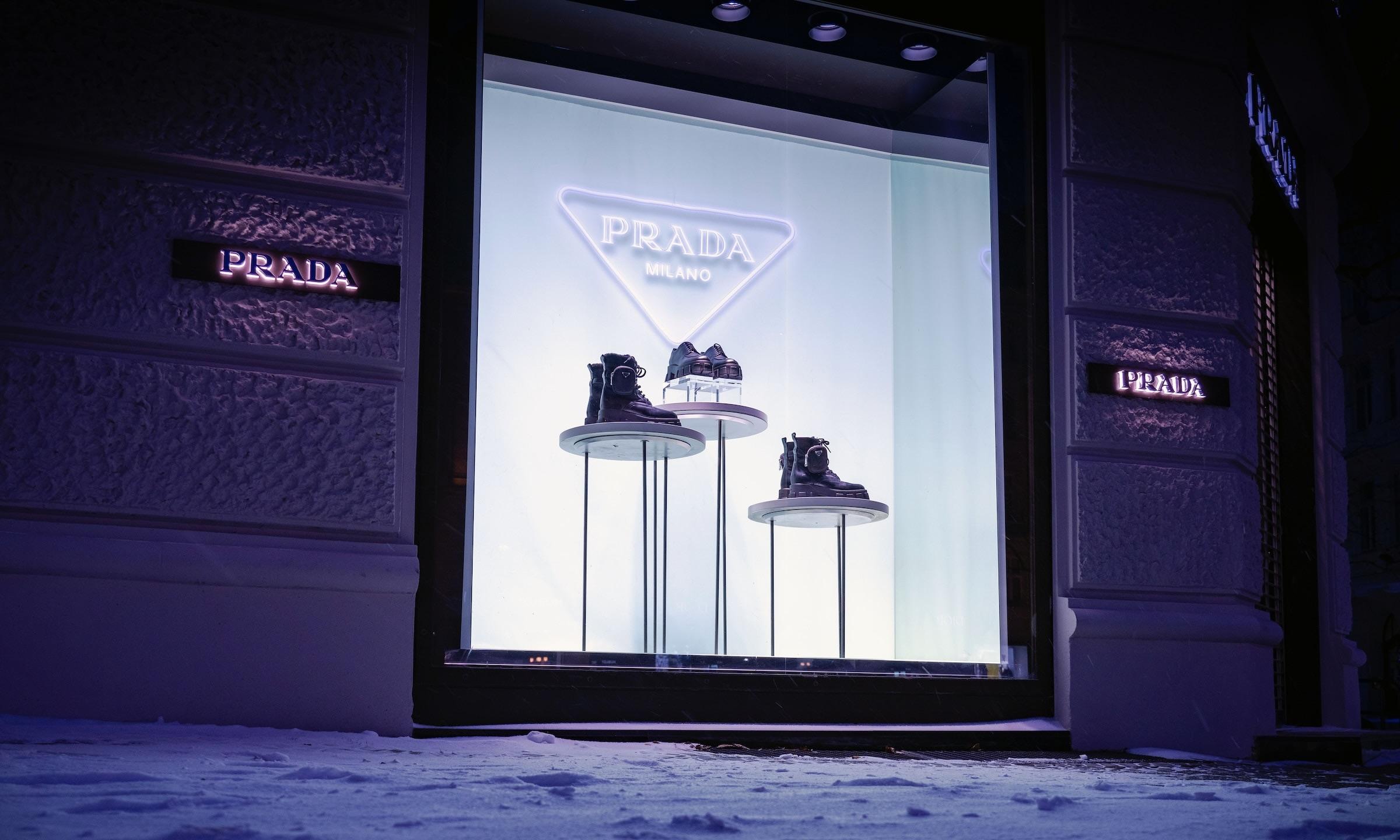
Italian fashion group Prada has announced a 10% increase in third-quarter revenues, driven by impressive growth in the Asian and European markets, which offset weaker performance in the Americas. The company released its figures after the market closed on Tuesday.
Revenue Growth and Analysts' Expectations
Prada's revenue growth slightly exceeded analysts' expectations, with a consensus cited by Jefferies indicating a projected rise of 9.3%, according to Reuters.
For the first nine months of the year, net revenues reached 3.34 billion euros ($3.6 billion), marking a 17% increase at constant exchange rates. The ready-to-wear category experienced the fastest growth, and the Miu Miu brand also saw rapid expansion.
Chief Executive Andrea Guerra expressed confidence in the company's positive momentum, stating that Prada is well-positioned for solid, sustainable, and above-market growth in Q4.
Guerra emphasized the excitement surrounding Prada's brands and its ambition to deliver exceptional performance in 2023. He further noted that while October exhibited favorable results, November and December hold greater importance for the business.
Challenges Faced by Luxury Sector
Yahoo reported that Prada's luxury sector rivals, including Kering, the owner of the Gucci brand, have also faced challenges stemming from declining demand for fashion and accessories, particularly in the United States and Europe.
The Americas region presented a weak spot for Prada, experiencing a 1.3% decline in retail sales during the nine months. However, double-digit growth in the Asia Pacific, Japan, and European markets mitigated the overall impact.
Guerra revealed that Prada and Miu Miu increased prices by 4-6% this year, with a similar trend expected for 2024.
Despite recent tensions in major cities due to the conflict between Hamas and Israel, Guerra assured that these developments had not significantly affected the business. While acknowledging the heightened geopolitical situation, he emphasized that Prada had not observed any fundamental differences in consumer behavior so far.
Photo: Nils Schirmer/Unsplash