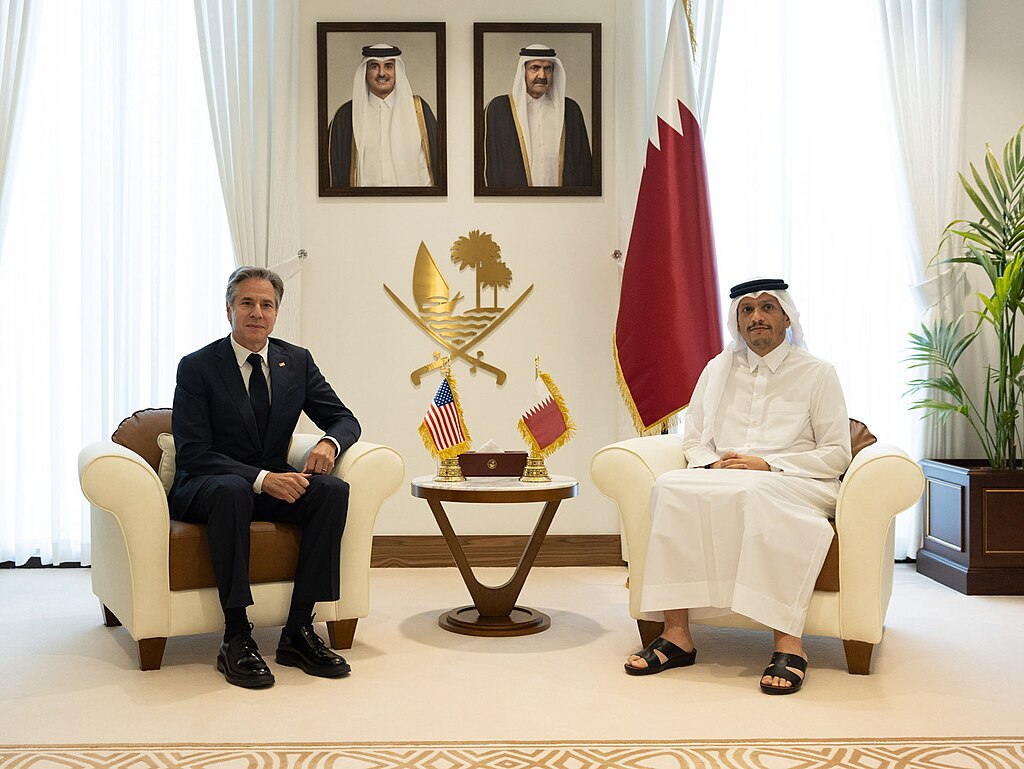
Qatar has paused financial support for Syria’s new rulers due to uncertainty over U.S. sanctions, sources revealed. This delay impacts efforts to stabilize Syria’s economy following the ousting of Bashar al-Assad in December. While the U.S. issued a six-month sanctions exemption in January, Qatar remains cautious about making payments through Syria’s central bank.
Qatar, a key U.S. ally, has long supported groups that contributed to Assad’s downfall. However, it is awaiting clarity on U.S. President Donald Trump’s policy toward Syria before proceeding with funding. Syria’s Islamist-led government, previously linked to al Qaeda until leader Ahmed al-Sharaa cut ties in 2016, planned a 400% public sector pay increase in February, costing an estimated $130 million per month. Despite regional aid pledges, the salary hike has yet to take effect.
The U.S. Treasury confirmed that the sanctions exemption allows personal remittances and select energy transactions but does not lift sanctions. A U.S. official stated that Qatar has not begun salary payments due to legal uncertainties but has sent liquefied petroleum gas to mitigate energy shortages.
Sharaa’s administration prioritizes economic revival, with the UN reporting that 90% of Syrians live in poverty. The government also aims to reduce public sector jobs, historically used to maintain loyalty under Assad.
Meanwhile, Syria continues pushing for full sanctions removal. Foreign Minister Asaad Hassan al-Shibani noted some restrictions have been eased. The EU recently suspended sanctions on energy, banking, transport, and reconstruction. However, the U.S. remains cautious, with Secretary of State Marco Rubio warning against replacing one destabilizing force with another.
The complexity of Western policy toward Syria stems from HTS’s jihadist origins. Once affiliated with al Qaeda, the group dissolved in January after leading Assad’s ouster.