


 ECB May Stop Rate Hikes After December, Capital Economics Says
  Asian Currencies Weaken as Dollar, Oil Prices Rise
  Fed Unveils Stablecoin Rules Under GENIUS Act
  RBA Set for September Rate Hike as Inflation Stays High
  US Alcohol Ban Exposes Canada’s Internal Trade Barriers
  Fed’s Hammack Says Bond Yield Surge Is Not Driven by Inflation Fears
  Nvidia China Chip Sales Report Sends Chinese Semiconductor Stocks Lower
  Asian Stocks Fall as Bond Yields and Oil Prices Surge
  Oil Prices Slide as Middle East Flows Recover
  U.S. Stock Futures Fall as Iran, Oil and AI Risks Rattle Markets
  XRP Price Targets $1.70 as Bullish Momentum Builds
  BOJ Set for Rate Hike as Inflation and Yen Pressure Mount


 Add as a preferred source on Google
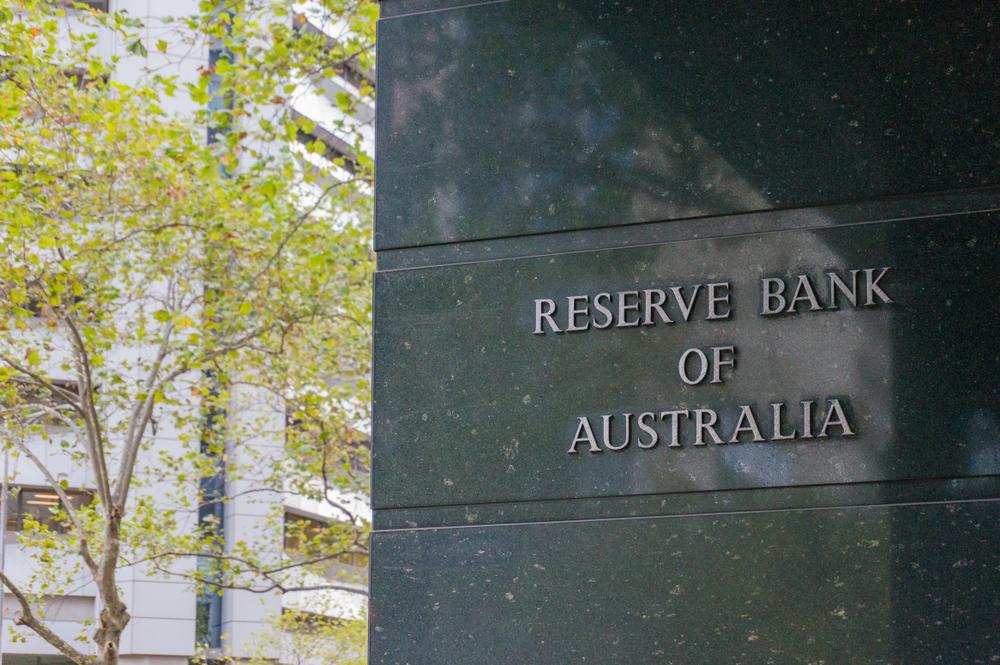
The Reserve Bank of Australia is signaling a more cautious stance on monetary easing as policymakers grow increasingly concerned about stubborn inflation and a surprisingly resilient labor market, according to the minutes from the central bank’s November meeting.
The RBA kept the cash rate steady at 3.60%, a move widely anticipated after third-quarter inflation came in stronger than expected. But the meeting minutes revealed that officials are becoming more wary of cutting interest rates too soon, especially with signs that economic demand may strengthen and employment growth remains robust. Policymakers noted that any shift in their view of the economy’s supply capacity—or doubts about how restrictive current monetary policy truly is—could reduce the room for additional rate cuts.
The minutes also outlined scenarios that might justify easing policy further, including a deterioration in labor market conditions or a slower-than-expected economic recovery. However, recent data suggests the opposite. Australia’s October labor figures exceeded expectations, with job growth surging and unemployment dropping from a near four-year high. This reinforces the view that the labor market is maintaining momentum heading into the final quarter of the year.
Adding to the RBA’s caution, Australia will soon begin publishing full monthly CPI inflation reports. These more frequent readings will give the central bank quicker insight into inflation trends, potentially influencing policy decisions in the months ahead.
The combination of stronger labor data and persistent inflation has led analysts to scale back expectations for a December rate cut. Major institutions, including ANZ, now anticipate that the RBA may issue only one more rate cut—likely in the first half of 2026.
This evolving outlook highlights the delicate balance the central bank faces as it works to manage inflation without undermining economic stability.







