


 Dollar Eases Near Two-Month High as Yen Rebounds
  Oil Prices Jump Nearly 3% as Iran Holds Firm on Hormuz Conditions
  Fed’s Williams Signals One More Rate Hike Before Year-End
  Yen in Focus as BOJ, Fed Rate Hikes Reshape Currency Markets
  Gold Prices Slip as High Treasury Yields Weigh on Bullion
  Trump Eyes $54 Billion South Korean Investment in Alaska LNG
  Japan Warns Markets Over Yen Weakness
  RBA Hikes Interest Rate to 4.60% as Inflation Risks Rise
  BOJ Raises Interest Rate to 31-Year High as Yen Weakens
  Asian Stocks Rise as Bond Yields Ease Ahead of U.S. Inflation Data
  Gold Holds Near Seven-Week Low as Fed Rate Hike Bets Rise
  Asian Currencies Mixed as Yen Weakens, RBA Hike Looms


 Add as a preferred source on Google
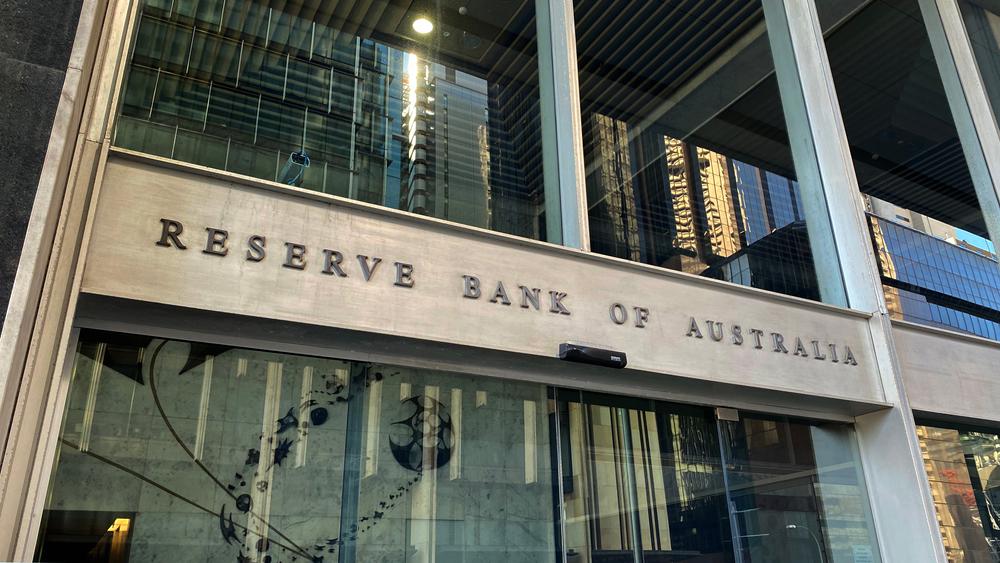
Australia’s central bank held interest rates steady in July, surprising markets that had largely priced in another cut. The Reserve Bank of Australia (RBA) minutes from the July 7-8 meeting revealed a split decision, with six of the nine board members opting to maintain the cash rate at 3.85%, citing a strategy of gradual and cautious easing.
The majority judged that although policy remained modestly restrictive, it was unclear how far rates could be cut before becoming neutral. They agreed it was prudent to wait for more data, including upcoming quarterly inflation figures, to confirm that inflation is sustainably declining.
Despite a sharp drop in core inflation to a 3.5-year low of 2.4% in May and sluggish Q1 GDP growth, the RBA noted stronger-than-expected private demand and a still-resilient labor market. These mixed signals led policymakers to delay further easing, highlighting risks of overreacting to volatile monthly data. The central bank also pointed out that previous occasions had seen markets misjudge the outcome of policy meetings.
Three board members supported a rate cut, arguing that inflation was already on track to return to target and further delay was unnecessary. However, the majority emphasized the value of patience, particularly as global risks had moderated and housing costs might push inflation slightly higher in Q2.
Markets now see a 91% chance of a rate cut at the RBA’s next meeting on August 12, especially after a weaker-than-expected jobs report raised concerns over labor market softness. Futures pricing suggests rates could fall to around 3.10% by early 2026, reflecting ongoing uncertainty in the economic outlook and policy path.







