


 Oil Prices Slide as Middle East Flows Recover
  RBA Hikes Interest Rate to 4.60% as Inflation Risks Rise
  Gold Rebounds as Oil Falls and Treasury Rout Eases
  Australia Inflation Accelerates to 4% After RBA Rate Hike
  Fed Unveils Stablecoin Rules Under GENIUS Act
  Yen Sinks as BOJ Rate Hike Fails to Impress Markets
  Japan Factory Output Unexpectedly Falls 1.7% in August
  Gold Prices Slip as High Treasury Yields Weigh on Bullion
  Trump Eyes $54 Billion South Korean Investment in Alaska LNG
  South Korea Exports Set for 16th Monthly Gain on AI Chip Demand
  Gold Holds Near Seven-Week Low as Fed Rate Hike Bets Rise
  Gold Steady as Softer U.S. Inflation Eases Fed Rate Hike Bets
  BOJ Set for Rate Hike as Inflation and Yen Pressure Mount


 Add as a preferred source on Google
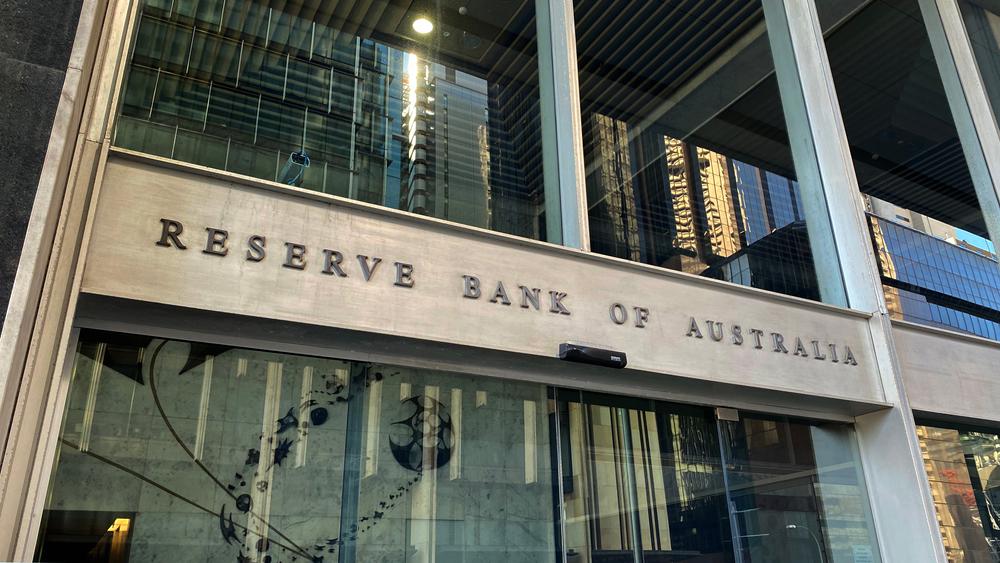
The Reserve Bank of Australia (RBA) is expected to keep its official cash rate unchanged at 4.10% during its April 1 policy meeting, according to a Reuters poll of 39 economists. As inflation begins to ease but core inflation remains elevated at 3.2%, the central bank is likely to proceed cautiously with any further rate cuts.
Despite delivering its first rate cut in over four years this past February, the RBA, led by Governor Michele Bullock, has signaled a more restrained approach to future monetary easing. Analysts believe the central bank is waiting for clearer signs of sustainable inflation control before moving again, particularly with the general election approaching in May and housing affordability remaining a top issue.
While all major Australian banks — ANZ, CBA, NAB, and Westpac — agree that rates will stay steady next week, forecasts diverge on future cuts. Nearly 75% of surveyed economists anticipate a 25 basis point reduction in May to 3.85%, following the release of key inflation data. Another cut is expected by September, lowering rates to 3.60%, with no further changes projected through mid-2026.
Experts like Abhijit Surya of Capital Economics and Prashant Newnaha of TD Securities suggest the RBA will avoid an aggressive easing cycle, as strong employment figures and economic growth persist. A deeper rate cut could risk fueling inflation and further overheating Australia’s already tight housing market.
With interest rate futures aligned with the poll’s outlook, the RBA appears committed to a gradual, data-driven approach — balancing cost-of-living relief with the risks of re-igniting inflation.







