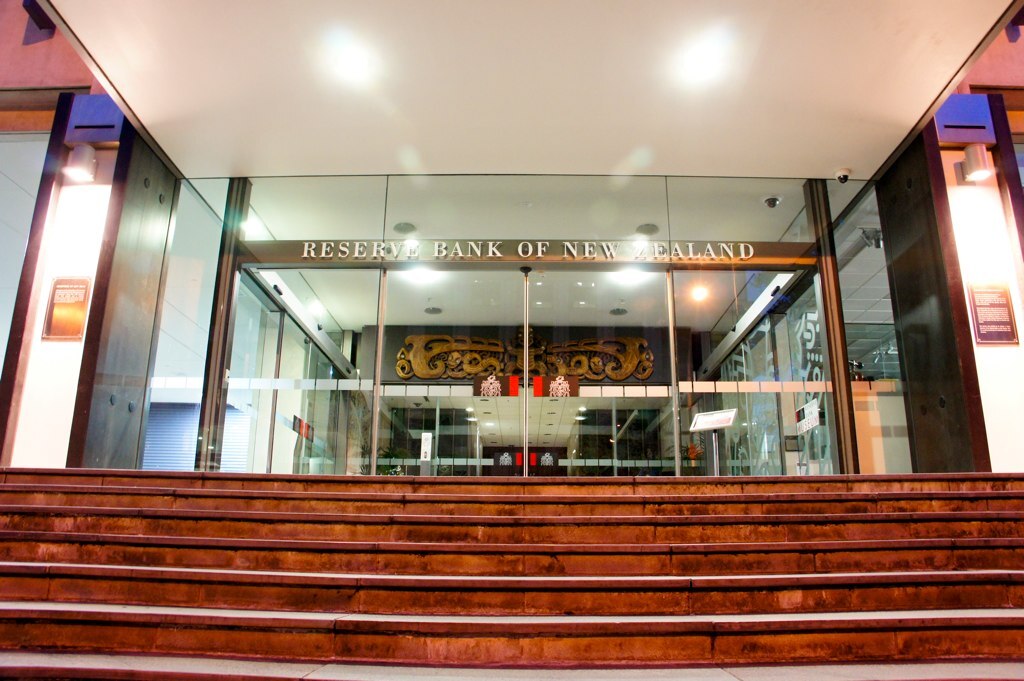
Adrian Orr, governor of the Reserve Bank of New Zealand (RBNZ), has resigned unexpectedly, cutting his second term short by three years. His departure comes as the country faces its worst economic downturn since 1991, driven by high interest rates. Orr stated he was leaving with inflation under control and the economy in a recovery phase after COVID-related disruptions.
The resignation follows criticism from Prime Minister Christopher Luxon’s National Party-led government, which blamed Orr for the post-pandemic inflation surge and the aggressive rate hikes that led to a recession. Under his leadership, the RBNZ raised interest rates from a record low of 0.25% to 5.50%, attempting to curb inflation but ultimately triggering economic contraction.
Finance Minister Nicola Willis acknowledged discussions between Orr and the RBNZ board but did not disclose reasons for his exit. Deputy Governor Christian Hawkesby will act as interim governor until March 31. The government will then appoint a temporary replacement for up to six months while seeking a permanent successor.
The news coincides with an RBNZ-hosted international conference celebrating 35 years of inflation targeting as a key monetary policy tool. Orr, reappointed in March 2023 before Luxon’s government took office, faced criticism over stimulus measures that fueled inflation.
Despite his sudden resignation, financial markets remained stable, with the New Zealand dollar seeing only a slight dip. Orr had recently signaled rate cuts, announcing a reduction to 3.5% in February and hinting at further cuts in April and May. Analysts continue to point to low productivity and policy missteps as key factors behind New Zealand’s economic struggles.