


 Gold Rebounds as Oil Falls and Treasury Rout Eases
  RBA Says ASX Still Falls Short on Governance and Risk Controls
  BOJ Set for Rate Hike as Inflation and Yen Pressure Mount
  BlackRock’s Rick Rieder Favors Bonds Over Stocks as Treasury Yields Surge
  RBA Hikes Interest Rate to 4.60% as Inflation Risks Rise
  Dollar Eases Near Two-Month High as Yen Rebounds
  Oil Prices Steady as Middle East Crude Flows Recover
  Asian Currencies Mixed as Yen Slides on BOJ Rate Signals
  India Manufacturing Growth Hits Seven-Month High in September
  US Alcohol Ban Exposes Canada’s Internal Trade Barriers
  Fed Unveils Stablecoin Rules Under GENIUS Act
  Asian Currencies Mixed as Yen Weakens, RBA Hike Looms


 Add as a preferred source on Google
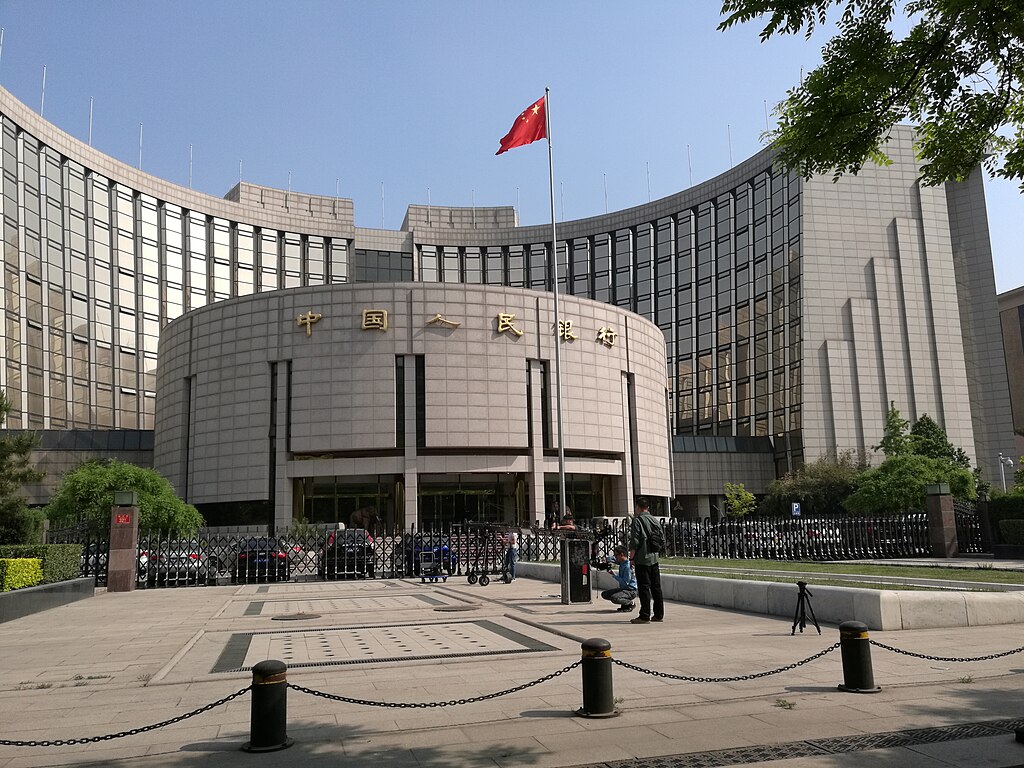
The People’s Bank of China (PBOC) held its benchmark loan prime rate (LPR) steady on Thursday, aligning with market expectations as Beijing prioritizes fiscal measures over monetary easing to boost economic growth.
The one-year LPR remained at 3.6%, while the five-year LPR, influencing mortgage rates, stayed at 3.1%, both at record lows after multiple cuts in recent years. The LPR, set by the PBOC based on submissions from 18 commercial banks, serves as a benchmark for lending rates in China.
Further rate cuts appear limited, as previous monetary easing has provided only short-term relief. Instead, Chinese policymakers are focusing on fiscal stimulus, rolling out measures such as increased social welfare and consumer subsidies to drive spending.
The PBOC has consistently lowered the LPR over the past three years to support economic recovery and the struggling property market. However, these efforts have yielded minimal results. Additionally, lower interest rates have weakened the Chinese yuan, making further cuts less viable due to Beijing’s concerns over currency stability.
Despite the PBOC’s cautious stance, analysts anticipate further LPR reductions this year as Beijing ramps up efforts to stimulate growth.







