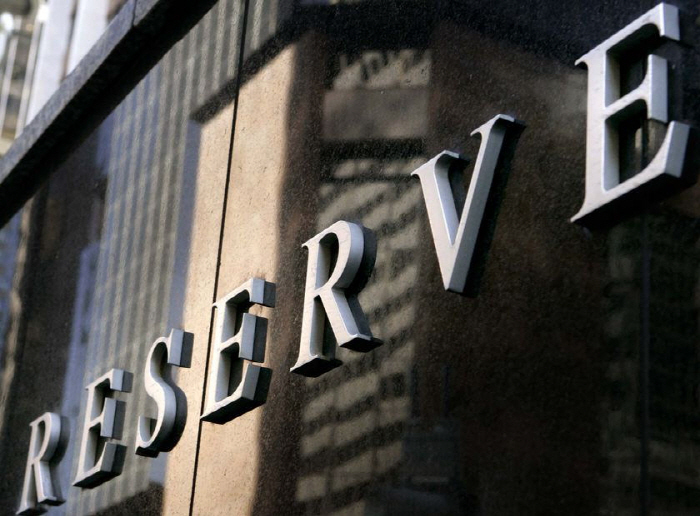
In Australia, the domestic case for easier policy remains weak in the near-term despite signs of slower housing sector activity and weak commodity prices. Surveyed business conditions remain well above average and the boost to the service sector from the weak AUD has helped to lower the unemployment rate below 6.0%. So the case for further policy easing in coming months looks to be weak, at least on domestic grounds alone. The RBA is expected to remain on hold through most of 2016.
A resilient AUD in the face of US rate hikes would be the most likely avenue through which the RBA might consider easier policy, but current levels do not appear to be so far away from estimates of fair value. The market will continue to price in the risk of some further policy adjustment over coming months, mostly due to external risks focused on slower Chinese growth and weak commodity prices.
"We expect to see softer housing sector activity over 2016, but the risk of a more protracted fall looks to be limited considering labour market strength, even if wages growth remains muted. Our expectation for a stronger case for some normalization of policy later in the year could be compromised by a likely Federal election due in September/October at the same time as a new Governor will take over at the RBA", notes BofA Merrill Lynch.