


 BOJ Raises Interest Rate to 31-Year High as Yen Weakens
  Fed Unveils Stablecoin Rules Under GENIUS Act
  Fed Unveils Stablecoin Rules Under GENIUS Act
  Fed’s Hammack Says More Data Needed Before Next Rate Move
  RBI Uses $10 Billion Currency Swaps to Drain Excess Rupee Liquidity


 Add as a preferred source on Google
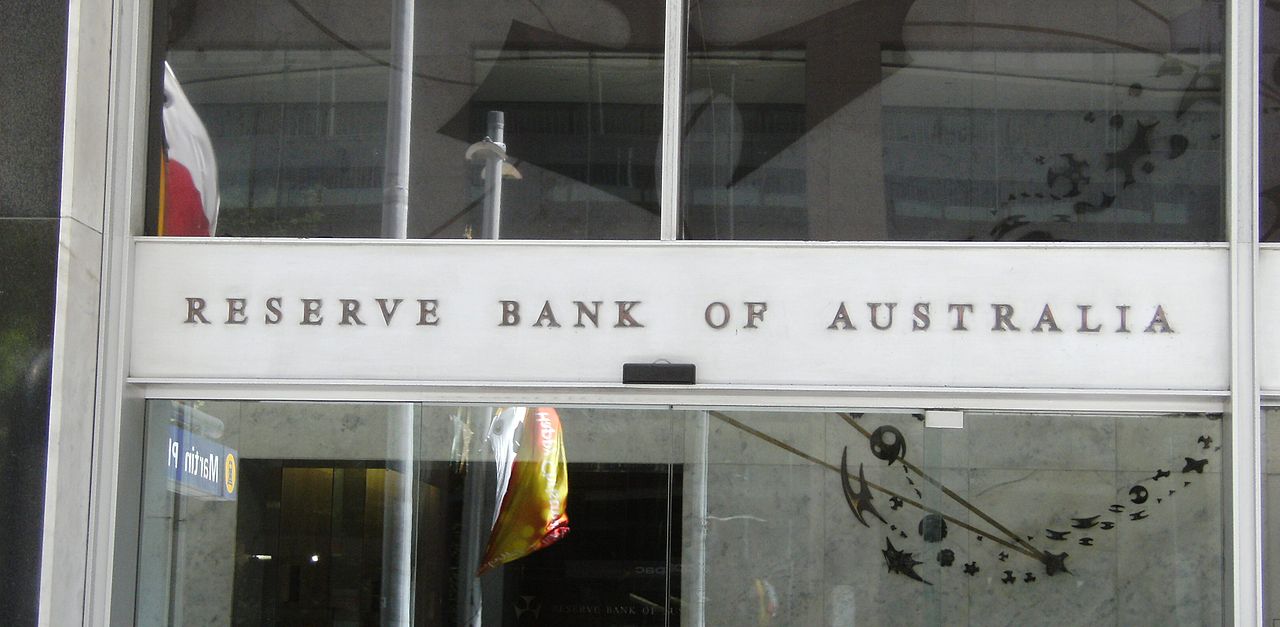
The Reserve Bank of Australia (RBA) remained on hold for the third successive policy meeting in a row and is likely to maintain a neutral stance in the near term. The main change to the press release was the inclusion of a discussion around the new economic forecasts to be published in the Statement on Monetary Policy on Friday, which was said to be 'little changed'.
The RBA left its official cash rate (OCR) at 1.50 percent for the third straight month, a decision that was widely expected by financial markets and the vast majority of economists. On inflation, the Bank commented that "the September quarter inflation data were broadly as expected".
On China, the bank noted that "economic conditions have steadied recently, although medium-term risks remain". The Bank’s assessment of housing was little changed, reiterating that lending growth was slowing, although 'prices in some market have been rising briskly'. The labor market comments were also broadly unchanged.
With the Q3 inflation report out of the way, the key data to watch are housing and labor market data. Housing market data have assumed more importance given the recent change to the RBA’s statement on the conduct of monetary policy to take more explicit account of financial stability.
"We continue to think that rates are on hold, but with the RBA retaining an easing bias given the weak inflation outlook," ANZ commented in its latest research report.







