


 Oil Prices Jump Nearly 3% as Iran Holds Firm on Hormuz Conditions
  RBA Set for September Rate Hike as Inflation Stays High
  Gold Holds Near Seven-Week Low as Fed Rate Hike Bets Rise
  Global Central Banks Brace for More Rate Hikes as Inflation Risks Rise
  Yen Sinks as BOJ Rate Hike Fails to Impress Markets
  Nvidia China Chip Sales Report Sends Chinese Semiconductor Stocks Lower
  Japan Warns Markets Over Yen Weakness
  China, US Extend Trade Truce Through January 10 After Trump-Xi Summit
  Asian Chip Stocks Tumble as OpenAI Safety Pause Sparks AI Growth Concerns
  U.S. Stock Futures Steady as AI, Rate Concerns Weigh
  Asian Currencies Weaken as Dollar, Oil Prices Rise
  Fed’s Williams Signals One More Rate Hike Before Year-End
  South Korea Exports Set for 16th Monthly Gain on AI Chip Demand
  RBI Uses $10 Billion Currency Swaps to Drain Excess Rupee Liquidity


 Add as a preferred source on Google
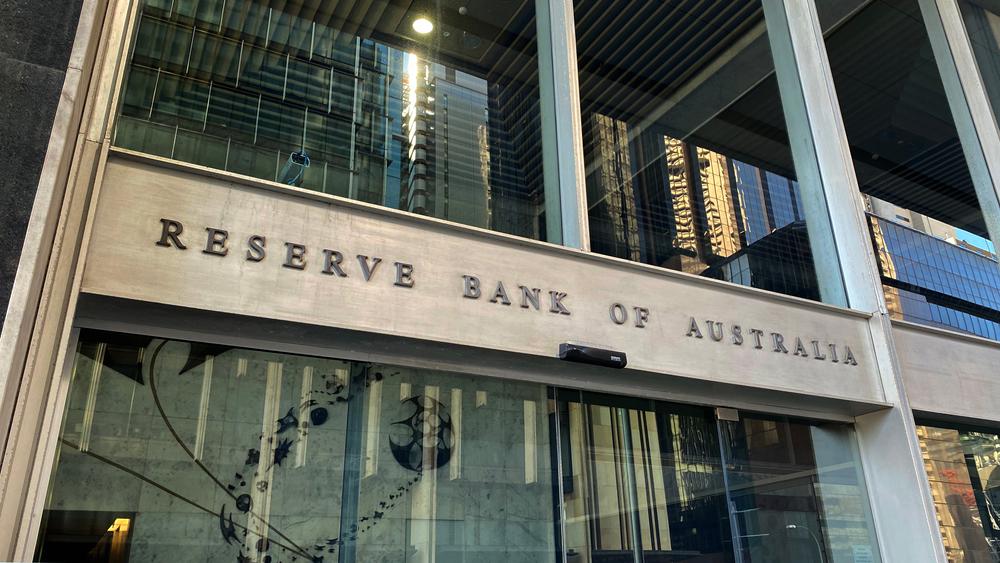
Australia's central bank is treading carefully on monetary policy, with Reserve Bank of Australia (RBA) Deputy Governor Andrew Hauser admitting he lacks full confidence that current interest rates are calibrated correctly to bring inflation under control — and now, a new geopolitical wildcard has entered the equation.
Speaking at a New York event on Monday, Hauser acknowledged that while the RBA remains firmly focused on returning Australia's headline inflation — currently sitting at 3.7% as of February — back within its 2%–3% target band, the escalating Iran conflict introduces fresh uncertainty that policymakers cannot ignore.
"We're going to have to monitor this new shock pretty carefully," Hauser said, noting that the war's impact on global economic activity could cut both ways. On one hand, surging fuel prices driven by geopolitical tensions could push headline inflation toward an estimated 5% in the second quarter. On the other, a broader slowdown in economic activity could dampen growth and complicate the RBA's tightening path.
The RBA has already raised its benchmark interest rate twice in 2025, lifting it to 4.1% and reversing two of the three cuts made the previous year. Despite this tightening, consumer spending continues to grow — albeit sluggishly — while Australian businesses are increasingly struggling to pass rising costs on to customers, a sign that demand-side pressures may be easing.
Hauser stressed the importance of monitoring medium-term inflation dynamics rather than reacting solely to short-term price spikes. The central bank is watching consumption trends closely as a key indicator of economic health.
Financial markets currently price in a 65% probability of an additional 25-basis-point rate hike in May, with rates expected to peak near 4.6% before the year ends — reflecting how finely balanced Australia's economic outlook remains.







