


 Japanese Yen Retreats as Dollar Rises Ahead of Fed, BOJ Rate Decisions
  Trump Eyes $54 Billion South Korean Investment in Alaska LNG
  ECB May Stop Rate Hikes After December, Capital Economics Says
  Gold Plunges 4% as Treasury Yields Surge and Fed Rate Hike Bets Rise
  BOJ Flags Import Costs and Yen Shocks as Persistent Inflation Risks
  Asian Stocks Rise as Bond Yields Ease Ahead of U.S. Inflation Data
  BOJ Raises Interest Rate to 31-Year High as Yen Weakens
  Nvidia China Chip Sales Report Sends Chinese Semiconductor Stocks Lower
  Oil Prices Jump Nearly 3% as Iran Holds Firm on Hormuz Conditions
  US Alcohol Ban Exposes Canada’s Internal Trade Barriers
  RBA Hikes Interest Rate to 4.60% as Inflation Risks Rise
  Fed’s Williams Signals One More Rate Hike Before Year-End


 Add as a preferred source on Google
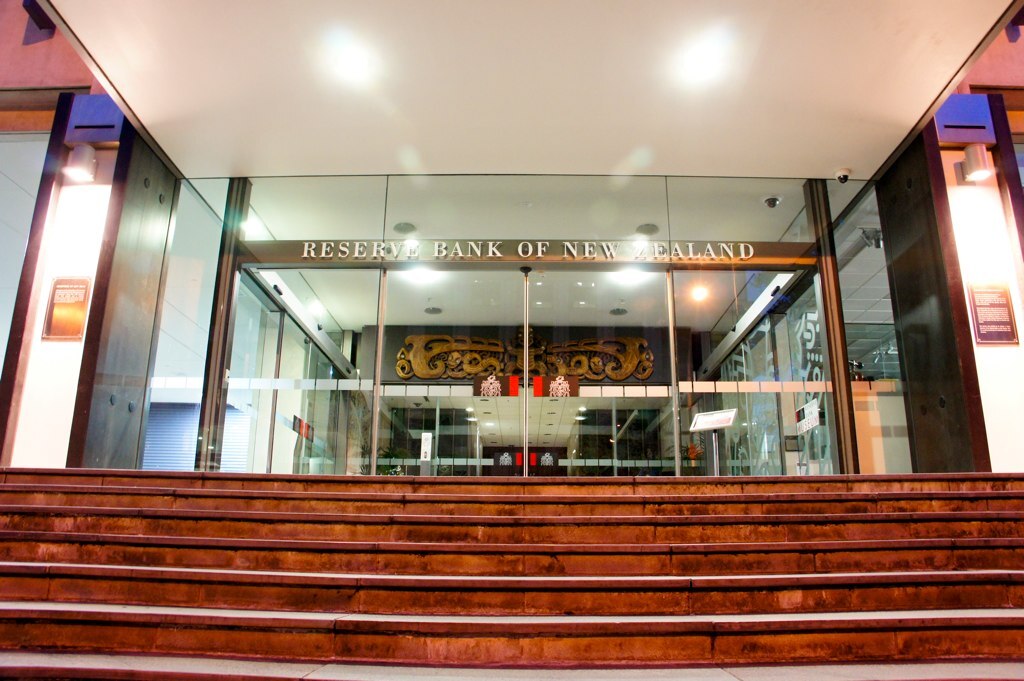
New Zealand’s Reserve Bank (RBNZ) warned Wednesday that financial system risks have risen due to heightened global economic uncertainty, but affirmed the country's banking sector remains well-capitalized and resilient. Governor Christian Hawkesby said geopolitical tensions and U.S.-imposed tariffs, including on New Zealand exports, have contributed to increased market volatility. While trade war fears have eased recently, significant global uncertainty continues to cloud the outlook.
In its latest Financial Stability Report, the RBNZ highlighted ongoing risks to global economic activity, noting that markets remain vulnerable to external shocks. Despite this, Hawkesby emphasized that New Zealand's banks are well-positioned, with strong capital and liquidity buffers enabling continued credit supply even if conditions worsen. Banks remain profitable, and non-performing loans are projected to decline as mortgage rates drop.
Although the country exited recession in late 2024, domestic economic conditions remain subdued. The unemployment rate held at 5.1% in the first quarter, reflecting continued softness in the labor market. High interest rates, a sluggish housing sector, and rising joblessness have dampened consumer demand.
However, lower borrowing costs and elevated agricultural export prices are helping ease debt burdens. Since August 2024, the central bank has slashed the official cash rate by 200 basis points to 3.5% to stimulate economic activity, with further rate cuts anticipated later this year.
Despite global and domestic headwinds, the RBNZ maintains that the financial system is stable and capable of weathering further shocks, supported by prudent banking practices and policy adjustments aimed at sustaining recovery momentum.







