


 Gold Prices Fall Amid Rate Jitters; Copper Steady as China Stimulus Eyed
  Fed’s Hammack Says More Data Needed Before Next Rate Move
  RBI Uses $10 Billion Currency Swaps to Drain Excess Rupee Liquidity
  Trump Demands Powell Resign Over Fed Renovation Cost Overruns
  Fed Rate Hike Threatens Housing as U.S. Growth Leans on AI, Citi Says
  RBI Rate Hike Bets Surge as Inflation Rises


 Add as a preferred source on Google
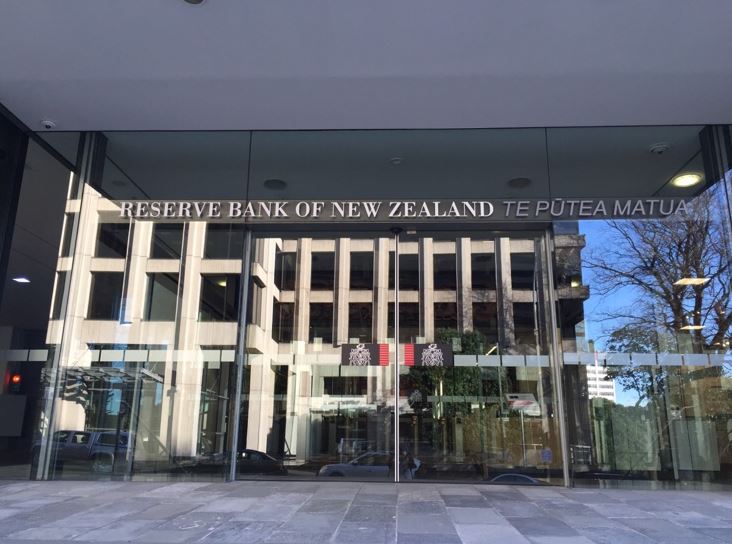
The Reserve Bank of New Zealand has surprisingly lowered the OCR by 25 basis points to 2.25%, a new record low, and has hinted at another cut in the future. The central bank lowered the rate mainly because of the deteriorating global economic environment and the recent decline in inflation expectations. The central bank, at this moment, seems likely to cut the OCR again during its June Monetary Policy Statement. The risks are skewed towards the Official Cash Rate dropping below 2%. Post the central bank's decision, market reacted strongly.
The RBNZ, in its statement mentioned that the global growth outlook has worsened since the December Monetary Policy Statement because of slower growth in Europe and weaker growth in Chinese economy and other emerging markets. This is in spite of extraordinary monetary accommodation and additional drop in interest rates in many nations. Financial market volatility has increased, implying higher credit spreads.
Accommodative monetary policy, tourism, strong inward migration and a pipeline of construction activity is likely to support New Zealand's economic growth. There are several threats to the forecast. Globally, the threats are towards the downside and relate to the outlook of global financial markets and global growth, mainly around China. Weakness in New Zealand's dairy sector is the main domestic risk, along with drop in inflation expectations, pressures in the housing market and the probability of continued high net immigration.
New Zealand's headline inflation continues to be low, mainly due to persistent decline in fuel prices and other import prices. Even if the long-run inflation expectations are at 2%, there has been a material fall in a range of inflation expectations measures. This is a cause of concern as it raises the risk that the fall in expectations becomes self-fulfilling and weakens future inflation outcomes.
According to the central bank, headline inflation is likely to accelerate in 2016, but will take a longer time to reach the target range. RBNZ stated that the monetary policy will continue to be accommodative and that additional easing might be needed to make sure the future average inflation reaches close to the mid-target range.

- News

- Economy

- Central Banks
- Investing
- Research
- Roundups
- Digital Currency
- Insights
- Technical Analysis
- Technology
- Business
- Law
- Health
- Nature
- Fintech
- Science
- Topic
- Opinions
- ©Econometrics LLC . All Rights Reserved.
RBNZ cuts OCR by 25bps, likely to lower again in June
Thursday, March 10, 2016 6:53 AM UTC
Editor's Picks



- Market Data
Most Popular




