


 Ukraine Faces $56 Billion Budget Gap as War Costs Soar
  Trump Orders Firing Squad Execution for Fort Hood Gunman
  US Army Tests Counter-Drone Technology Along Mexico Border
  New York Declares Measles Disaster Emergency as Cases Surge
  Mexico Seeks US Evidence After Border Gunfire Claim
  US DOT Ends Airline Privacy Review Without Enforcement
  North Korea Slams US Taiwan Arms Sales, Reaffirms Russia Support
  Houthis Strike Aden Airport as Yemen Fighting Escalates
  Becton Dickinson to Invest $3 Billion in U.S. Medical Manufacturing
  OpenAI, Anthropic Back Mandatory AI Breach Reporting in Australia
  Russian Bombs Kill Six, Injure Nearly 60 in Kharkiv
  Ethiopia-Tigray Fighting Intensifies as Airstrikes Kill 17
  ISIS Attack Near Kirkuk Kills Iraqi Policeman After US Withdrawal
  Iran Tanker Attacks Surge as Hormuz Oil Flows Near Prewar Levels
  Trump Offers US Help to Russia After Plague Lab Worker Dies
  Trump Gaza Peace Plan Stalls as Israel Retains Control
  France Student Protests Intensify Nationwide


 Add as a preferred source on Google
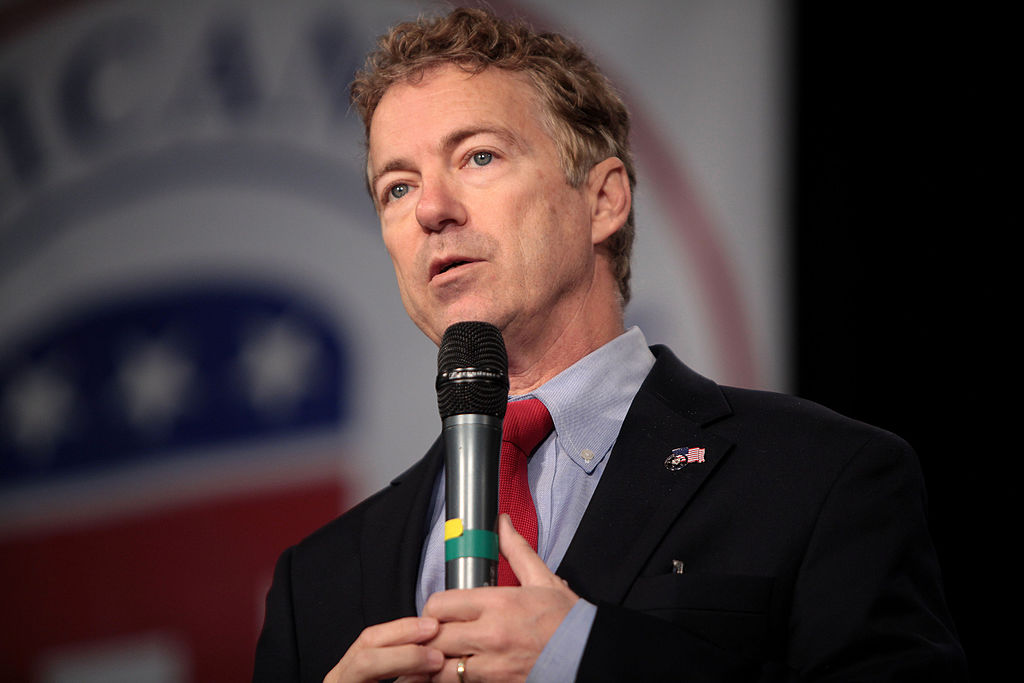
Senator Rand Paul (R-Ky.) has intensified his longstanding criticism of Dr. Anthony Fauci, asserting that the former chief medical adviser should face imprisonment for alleged dishonesty during the COVID-19 pandemic. Paul's accusations center on claims that Fauci misled Congress and the public regarding the origins of the virus and the funding of gain-of-function research.
Allegations of Misinformation
In a recent interview on WABC 770 AM's "The Cats Roundtable," Paul stated, "For his dishonesty, frankly, he should go to prison." He accused Fauci of providing false testimony about the National Institutes of Health's (NIH) involvement in funding gain-of-function research at the Wuhan Institute of Virology in China. Paul contends that such research may have played a role in the emergence of COVID-19.
Calls for Legal Action
Paul has formally referred Fauci to the Department of Justice, alleging that he lied to Congress—a felony offense punishable by up to five years in prison. During a Fox News interview, Paul emphasized the gravity of the situation, stating, "It's a felony punishable by five years in jail. We've referred it to the Department of Justice."
Fauci's Defense
Dr. Fauci has consistently denied the allegations, maintaining that the NIH did not fund gain-of-function research in Wuhan. In a Senate hearing, he responded to Paul's accusations by asserting, "Senator Paul, I have never lied before the Congress and I do not retract that statement." Fauci has described the calls for his prosecution as "craziness," questioning the basis of such claims.
Public Reaction
The escalating dispute between Paul and Fauci has elicited a wide range of reactions on social media. Twitter user @HealthFreedomAdvocate expressed support for Paul's stance, tweeting, "Accountability is crucial. If Fauci lied, he should face consequences." Conversely, @ScienceDefender defended Fauci, stating, "Dr. Fauci has dedicated his life to public health. These attacks are unfounded." User @PolicyWatcher noted, "This feud highlights the deepening mistrust in our public health institutions." Meanwhile, @PandemicTruthSeeker commented, "We need transparency, but politicizing the issue won't help." Additionally, @JusticeForAll remarked, "If laws were broken, investigations are warranted, regardless of position." Lastly, @MedicalEthicsDebate observed, "The intersection of politics and health policy has never been more contentious."
Broader Implications
This confrontation underscores the ongoing debate over the U.S. government's handling of the pandemic and the transparency of its health agencies. As the discourse continues, it reflects broader societal divisions regarding trust in public health officials and the politicization of health crises.







