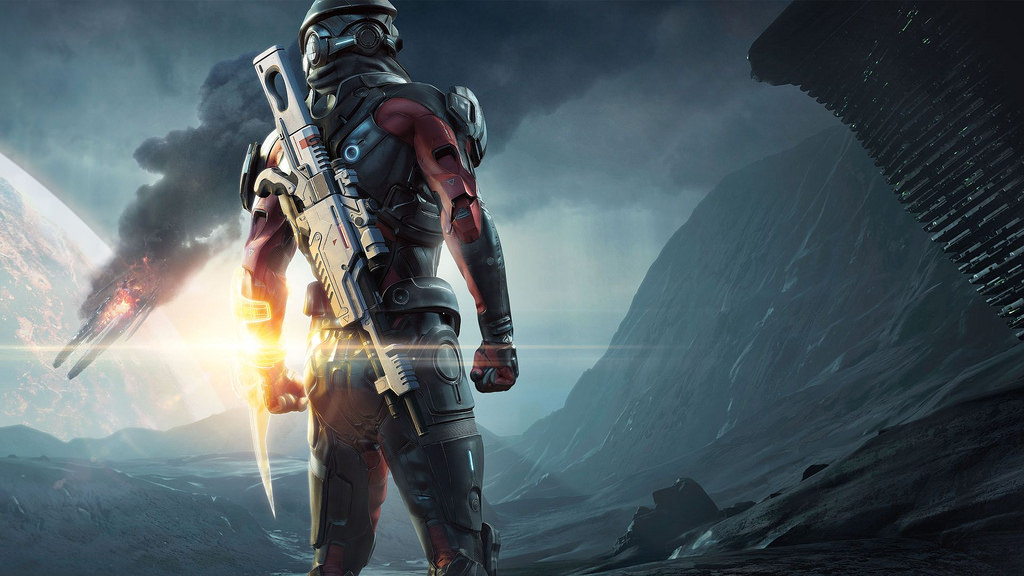
At this point, it’s no secret that Mass Effect: Andromeda is not exactly the sequel to the legendary trilogy that fans were hoping for. It had so many bugs and animation issues, and the story was not exactly stellar. This made no sense to a lot of gamers since developers have been at it for five years. According to a new report, however, the game was actually created in less than two years and was bogged down with ambitions of procedurally-generated planets a la No Man’s Sky.
It would seem that at the beginning of the creative process, the team responsible for creating the game had this idea of taking advantage of the exploration aspect of the Mass Effect franchise, which was not fully realized in the first three games. Instead of only a few planets that can be explored, the developers wanted hundreds, Kotaku reports. This is reportedly what led to Andromeda’s downfall.
Well, that might be simplifying the issue a bit too much. According to the publication’s investigations, it would seem that a lot of issues contributed to the game’s eventual reception. These included changes in directors, a horribly understaffed animation team (hence, the wonky faces and movements), and even difference in politics among the developers themselves.
Basically, the developers were constantly working with a house of cards that kept falling apart even as they were finally making some headway. It just goes to show how noble intentions during development can be destroyed by overreach and a development team that simply can’t come together.
All of these things and more combined to create a turbulent development process that ultimately led to a game that even the most hardcore BioWare fans loathed. Much of the progress of the game was so bogged down by unnecessary obstacles that the final product wasn’t even formed until there were only about 18 months of development left, PC Gamer notes. That the game worked at all is a minor miracle.