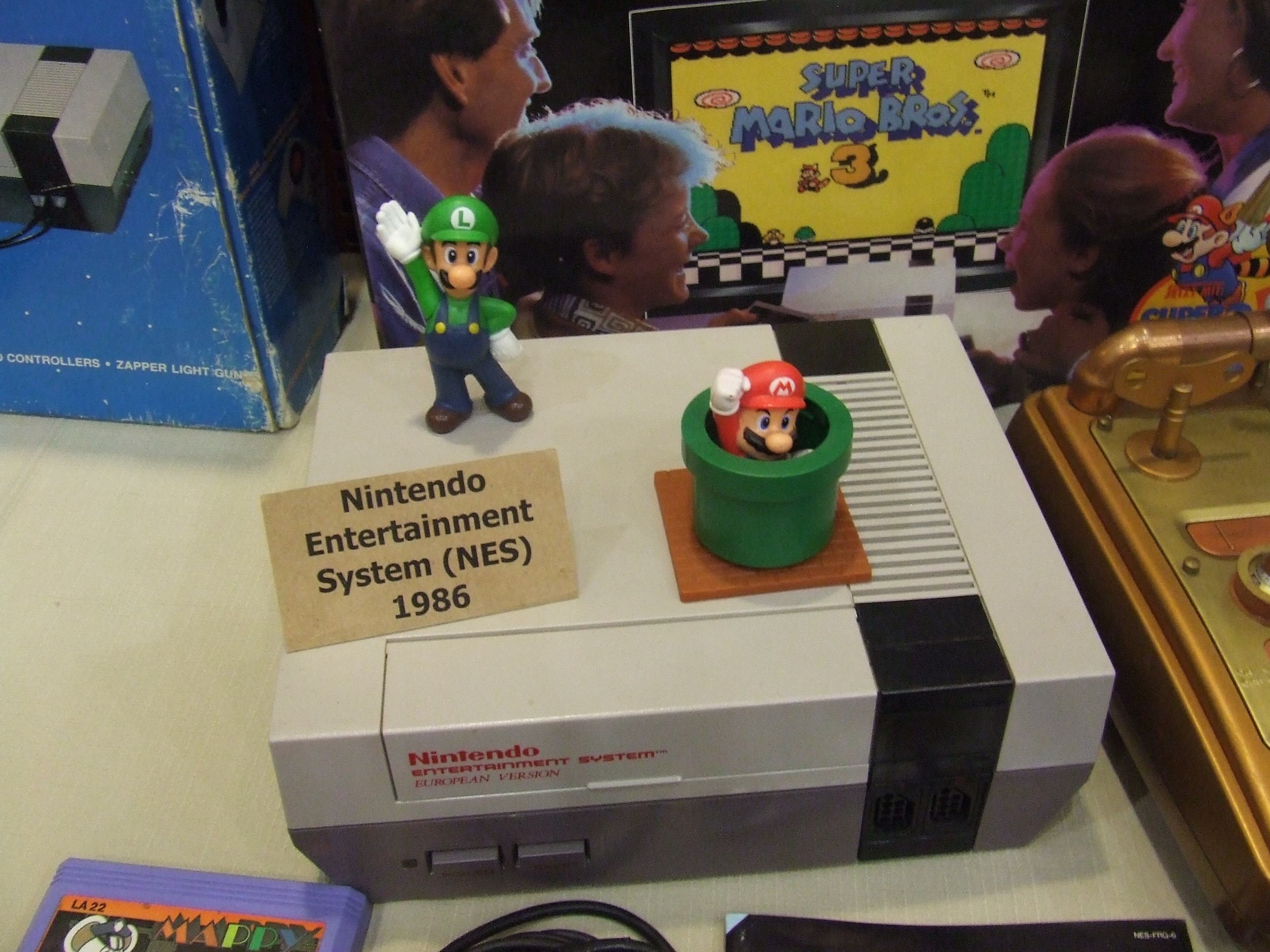
The reviews for the Nintendo NES Classic official emulator are out and the consensus is that it’s a nifty little nostalgia box that’s worth buying. There are several reasons for this, but among the most notable include the ability to save games and its compatibility with modern TV screens. The default controller wire might be a bit short, but luckily, there’s a third-party solution to that.
In the review by Tech Crunch, the publication heartily recommended that readers should “buy it.” The post went through some of the best features of the emulator, including the generous number of options regarding display modes and the extended control that players get with the controller.
For those who are wondering, the unit’s specs include HDMI output, is USB-powered, comes with 30 built-in games, and comes with three display modes. It costs $60 at launch. Turning it on and playing the games is easy-peasy as well, truly emulating the simplicity that classic home gaming consoles were known for.
Navigation itself is straightforward, with game selection relying on the left and right pad to choose games. The up button brings players to the settings menu while the down button goes to the suspend menu.
Now, the unit itself is quite miniature and compared to the original NES, it doesn’t copy the design in complete detail. Rather, it’s more of a callback that draws in fans of those 8-bit games and tugs their nostalgia strings.
Having said all that, The Verge reminds everyone that the NES Classic is basically just an emulator. It’s officially licensed by Nintendo, it delivers way more options and graphical performance and provides more stability when playing.
Even with all of these features, however, there is clear evidence that the Japanese company made the game box pretty much the same way that others have done. It comes with a Linux computer with a quad-core processor and 256MB of RAM. Those are familiar specs for anyone who has ever made an emulator for old Nintendo games.