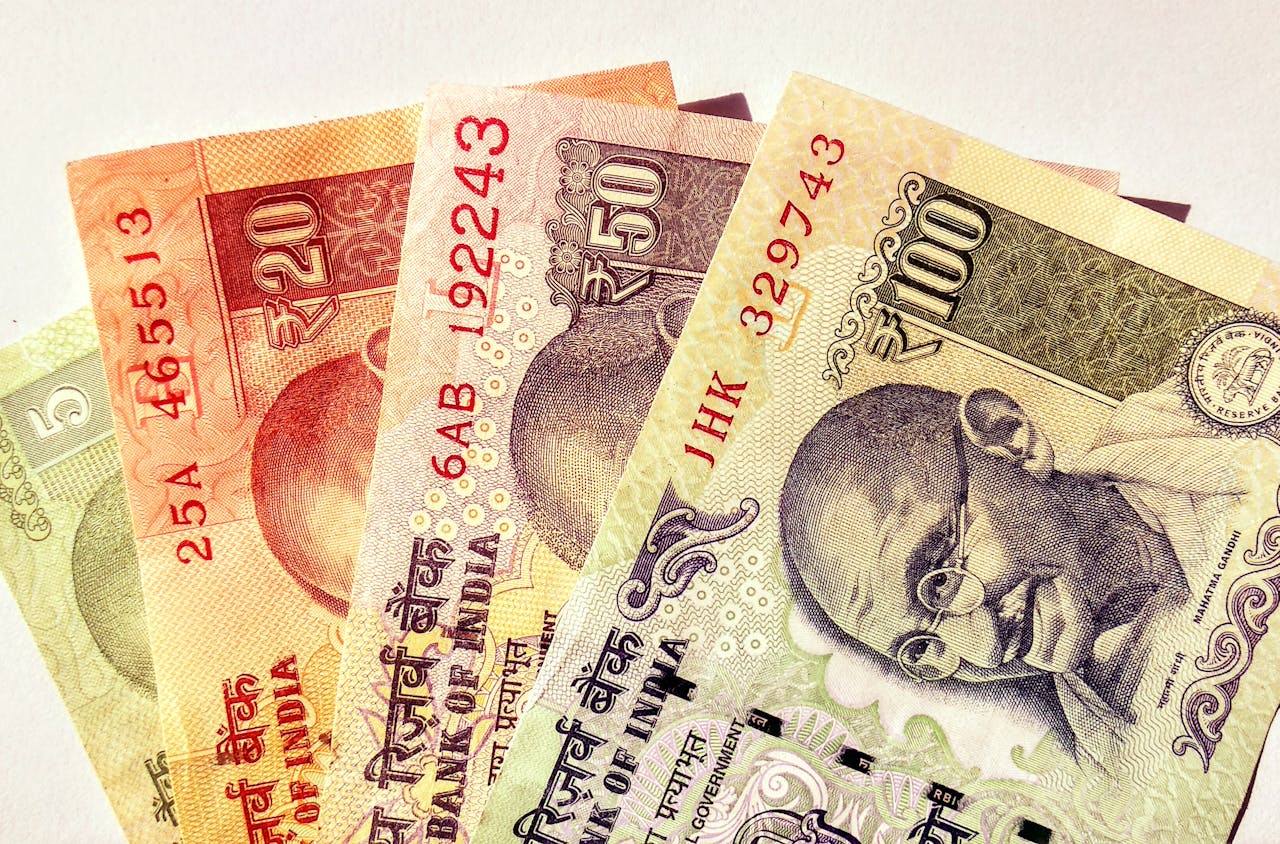
The Indian rupee strengthened on Monday after hitting record lows near 97 against the U.S. dollar last week, as fresh intervention signals from the Reserve Bank of India (RBI) boosted market confidence. The USD/INR currency pair dropped 0.5% to 95.70 in early trading, recovering sharply from recent historic highs.
RBI Governor Sanjay Malhotra stated that the Indian rupee currently appears undervalued and assured markets that the central bank is prepared to take all necessary steps to prevent excessive currency weakness. His comments came after reports suggested the RBI actively intervened in foreign exchange markets last week to stabilize the rupee and reduce volatility in the USD/INR exchange rate.
The rupee also received support from declining crude oil prices after signs of possible progress in U.S.-Iran peace negotiations eased concerns surrounding the ongoing Iran conflict. Lower oil prices are particularly beneficial for India, one of the world’s largest crude oil importers, as expensive energy imports typically increase pressure on the domestic currency and widen the trade deficit.
Since late February, the Indian rupee has been among the weakest-performing global currencies, losing nearly 6% amid rising geopolitical tensions and higher energy costs linked to the Iran war. Persistent depreciation had fueled speculation that the RBI might respond with interest rate hikes to defend the currency. However, Governor Malhotra dismissed the possibility of tightening monetary policy solely to support the rupee.
Market analysts believe continued RBI intervention, combined with softer oil prices and easing geopolitical risks, could help stabilize the Indian currency in the near term. Investors are now closely watching developments in global oil markets, U.S.-Iran diplomatic talks, and further actions from the Reserve Bank of India for direction on the future movement of the USD/INR pair.