Russia and Ukraine exchanged sharp accusations on Monday after Moscow claimed that Ukraine attempted to attack President Vladimir Putin’s residence with drones, an allegation Kyiv firmly rejected as false and provocative. The dispute has added fresh tension to already fragile peace negotiations aimed at ending the nearly three-year war in Ukraine.
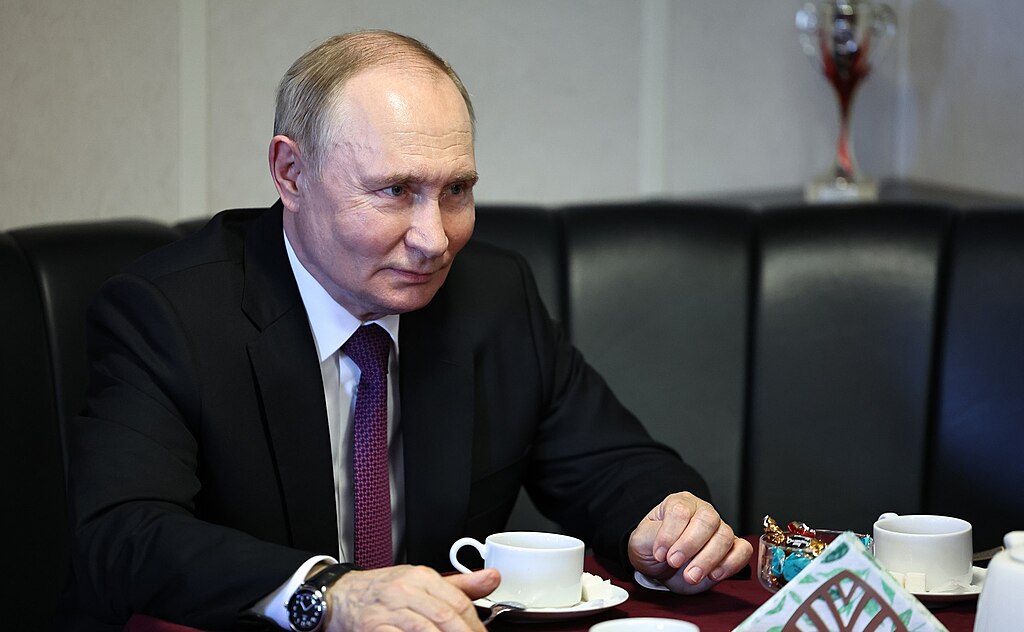
According to Russian officials, Ukraine launched dozens of long-range drones at Putin’s residence in the Novgorod region in late December, all of which were allegedly intercepted by Russian air defenses. Moscow provided no evidence to support the claim, and Reuters could not independently verify the assertion. Ukraine dismissed the accusation as a “complete fabrication,” accusing Russia of using it as a pretext to escalate attacks and undermine diplomatic progress.
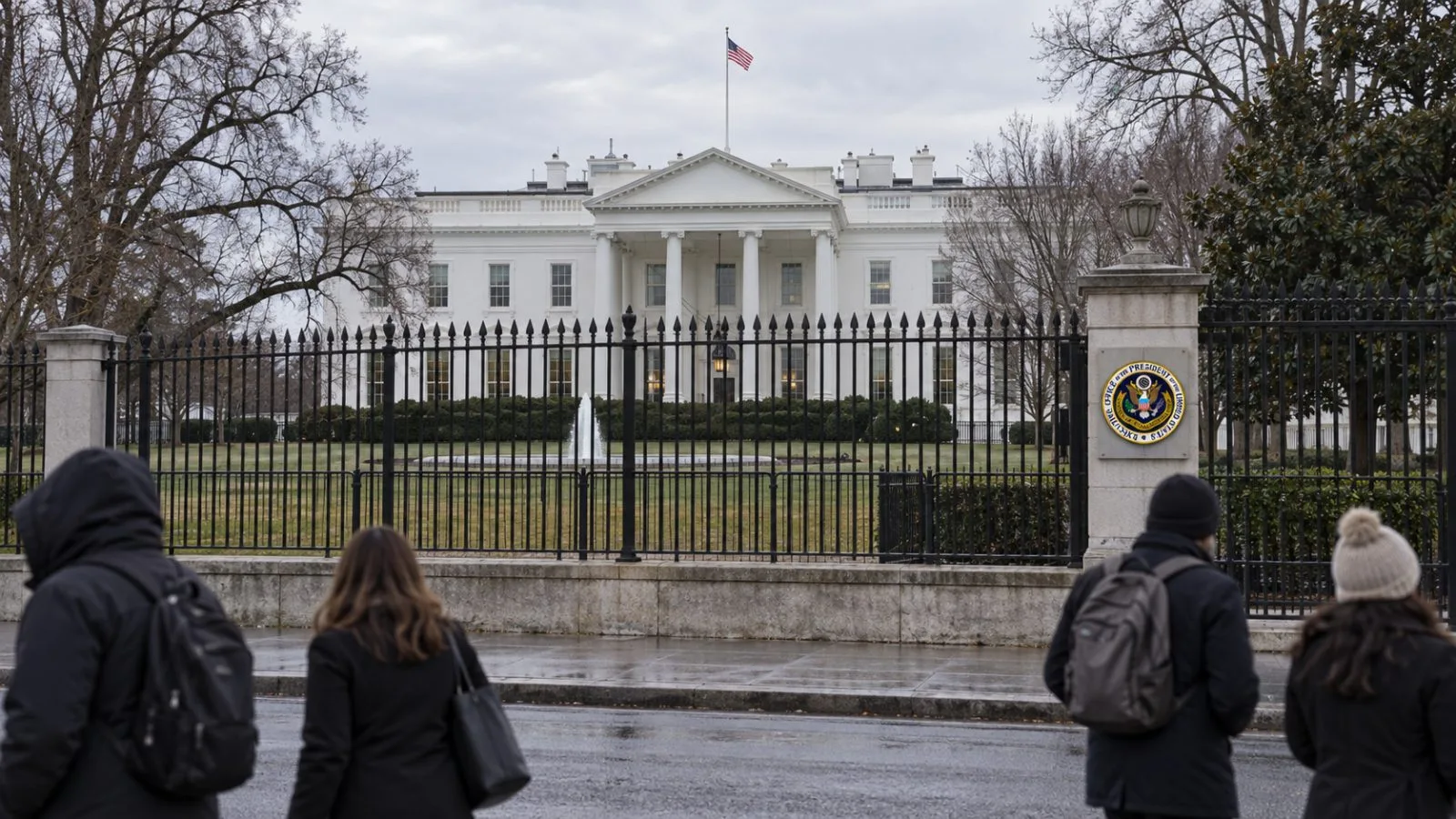
U.S. President Donald Trump said he discussed the alleged incident with Putin during a phone call on Monday, describing the Russian leader as angry over the matter. Trump criticized the reported attack, calling it poorly timed, but added that he still believed a peace agreement could be close. A day earlier, Trump had met Ukrainian President Volodymyr Zelenskiy in Florida, where both leaders said progress had been made toward a potential deal, though major territorial disputes remain unresolved.
Despite diplomatic efforts, Russia signaled a tougher stance. Foreign Minister Sergei Lavrov warned that the alleged drone attack would not go unanswered and said Moscow was reassessing its negotiating position, though it would not abandon talks entirely. Putin also instructed his military to intensify operations to secure full control of Ukraine’s Zaporizhzhia region, reinforcing Russia’s territorial demands.
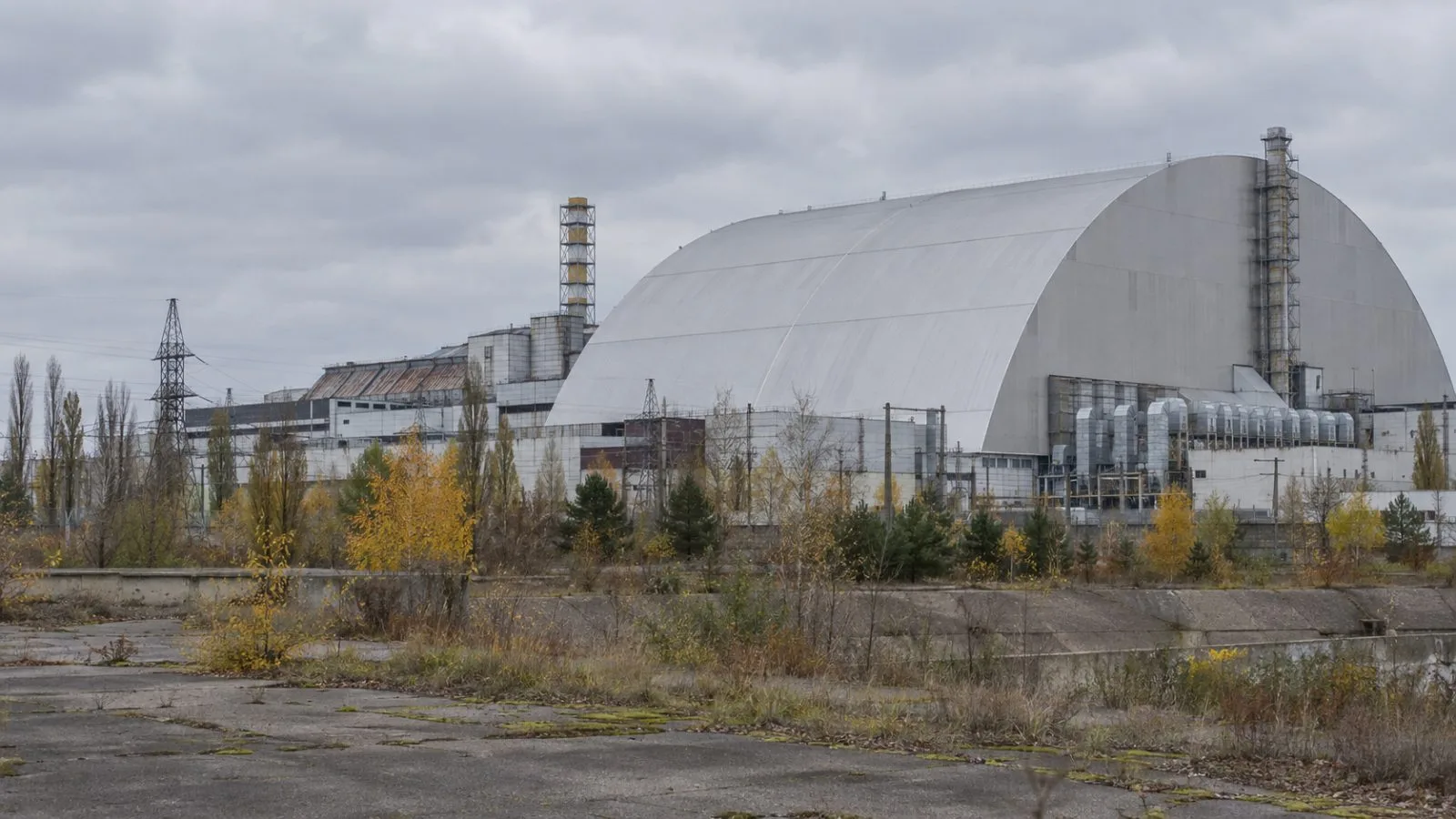
Zelenskiy countered that Russia was laying the groundwork for further strikes on Kyiv, emphasizing that Ukraine cannot prevail without continued U.S. support and expressing deep distrust of Putin. Key sticking points in negotiations include control of the Zaporizhzhia nuclear power plant and the future of the Donbas region, much of which remains under Russian occupation.
As fighting continues and rhetoric hardens, the latest accusations highlight how quickly hopes for peace can be derailed, even as global leaders push for a negotiated end to the conflict.