


 US-Led Coalition Targets Global Factory Overcapacity
  Asian Stocks Mixed as OpenAI Revenue Concerns Hit Chipmakers
  Asian Currencies Steady as Dollar Eyes Fourth Weekly Gain
  Mexico Bars Dual Citizens From Presidential Races Starting in 2028
  Trump Says He Deserves 2026 Nobel Peace Prize Despite Uncertain Chances
  Gold Prices Rise as Hormuz Tensions Fuel Inflation Risks
  RFK Jr. Launches Nationwide Vaccine Safety Review
  Trump Buys Up to $25M in Meta Stock, Invests in SpaceX Debt
  Iran Refuses to Halt Uranium Enrichment Amid US Nuclear Demands
  Gold Prices Fall as Stronger Dollar Weighs on Bullion
  Saudi Airport Attacks Kill Three as Yemen Fighting Escalates
  Bangladesh GDP Growth Accelerates to 4.6% on Industrial Rebound
  Deere, CNH and AGCO Stocks Fall as FTC Launches Farm Equipment Probe
  Oil Prices Rise as Hormuz Risks Offset IEA Stock Release
  Saudi Arabia Probes Flydubai Cockpit Attack
  UK House Prices Flat in September as Mortgage Rates Weigh
  EU Rejects Italy, Greece Calls for Fiscal Rule Flexibility


 Add as a preferred source on Google
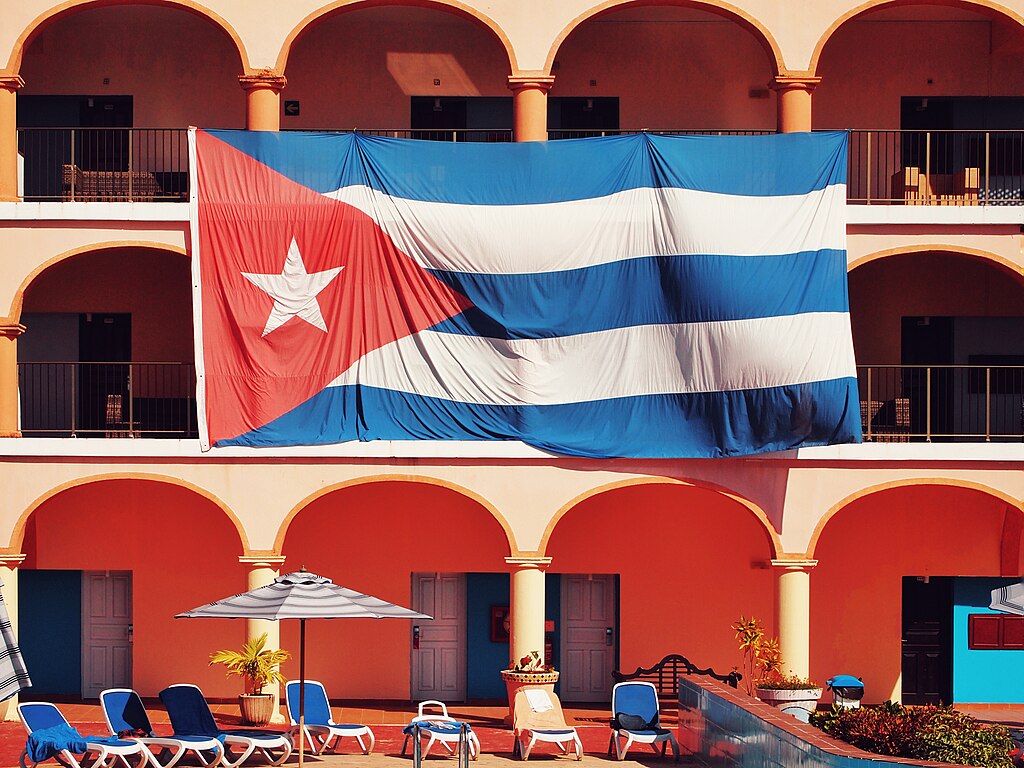
Russia has warned that Cuba’s fuel situation has reached a critical point, blaming intensified U.S. sanctions for deepening the island’s economic crisis and pledging continued solidarity with Havana and Caracas. Moscow also said it would oppose any form of military intervention in Cuba or Venezuela, reinforcing its long-standing alliances in the region.
The Cuban government outlined emergency measures last week to manage the worsening fuel shortage, including rationing supplies and prioritizing essential services such as hospitals, food distribution, and public transportation. These steps come as the United States escalates efforts to restrict oil shipments to Cuba, a move Washington says is aimed at pressuring the communist-run government.
The administration of U.S. President Donald Trump has labeled Cuba “an unusual and extraordinary threat” to U.S. national security. Following a U.S. operation last month targeting Venezuelan leader Nicolas Maduro, Washington declared that Cuban oil supplies from Venezuela would be cut off. The U.S. has also warned other countries, including Mexico, that they could face tariffs if they continue exporting fuel to the island.
Kremlin spokesman Dmitry Peskov said Russia is in close contact with Cuban officials through diplomatic and other channels, acknowledging that the fuel crisis is severe. He criticized what he described as Washington’s “suffocating tactics,” saying they are causing widespread difficulties for the Cuban economy. According to Peskov, Moscow is discussing ways to help alleviate the situation or provide direct assistance where possible.
Concerns have also emerged over jet fuel shortages affecting international travel. Cuba has informed foreign airlines that jet fuel would no longer be available starting Tuesday, prompting Air Canada to suspend flights to the country. The issue has raised questions about whether Russian tourists may face difficulties leaving the island.
Russian Foreign Minister Sergei Lavrov reiterated Moscow’s opposition to unilateral sanctions and military interventions, emphasizing Russia’s commitment to supporting Cuba and Venezuela’s right to determine their own future. Russia’s ambassador to Cuba, Viktor Coronelli, recently confirmed that Moscow has supplied oil to Cuba repeatedly in recent years and intends to continue doing so, underscoring Russia’s strategic and political support as the crisis unfolds.







