


 France to Release 10 Million Barrels of Diesel to Ease Fuel Prices
  US-Taiwan Ties Remain Strong as Taipei Urges Timely Arms Deliveries
  Saudi Airport Attacks Kill Three as Yemen Fighting Escalates
  Pentagon Orders Iran Strike Preparations as Trump Weighs Military Action
  Saudi Arabia Probes Flydubai Cockpit Attack
  US, Greece Launch New Counterterrorism Security Program
  Trump Says He Deserves 2026 Nobel Peace Prize Despite Uncertain Chances
  Maduro, Wife May Face New US Torture Charges
  Vance Demands Iran Cut Nuclear Enrichment to End War
  US-Led Coalition Targets Global Factory Overcapacity
  Trump Envoy Meets Sudan Army Chief in Egypt
  Mexico Bars Dual Citizens From Presidential Races Starting in 2028
  US Pressures Allies to Distance From Anti-Disinformation Conference
  Trump Backs Florida Golf Course as Presidential Retreat
  Merz Warns of Extremism After AfD Gains Power in Saxony-Anhalt
  Trump Rallies in Texas as Republicans Face Tight Midterm Races
  North Korea Slams US Taiwan Arms Sales, Reaffirms Russia Support


 Add as a preferred source on Google
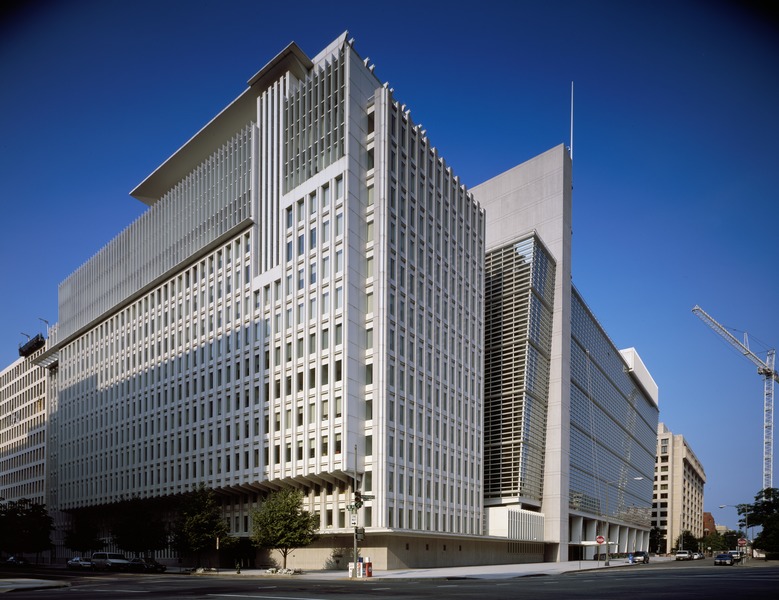
As Russia continues its invasion into Ukraine, countries are scrambling to provide financial assistance to tackle the humanitarian crisis from the conflict. The International Monetary Fund recently approved more emergency funding for Ukraine as it continues to resist Russian aggression.
The executive board of the International Monetary Fund has approved $1.4 billion in emergency funding for Ukraine as it fights off Russian forces for the third week. The organization made the announcement in a statement Wednesday.
“This disbursement…will help meet urgent balance of payment needs arising from the impacts of the ongoing war and will provide critical support in the short time while playing a catalytic role for financing for other partners,” said the statement by the IMF.
IMF Managing Director Kristalina Georgieva said following the meeting that the invasion is the cause of Ukraine’s humanitarian and economic crisis. Georgieva also predicted that Ukraine would be brought into a recession this year due to the impact of the ongoing conflict.
“The Russian military invasion of Ukraine has been responsible for a massive humanitarian and economic crisis. Financing needs are large, urgent, and could rise significantly as the war continues,” said Georgieva.
The release of funds would be made through IMF’s Rapid Financing Instrument, providing rapid funding to member countries without the need for a program.
The $1.4 billion in emergency funding is added to the $700 billion the IMF disbursed to Ukraine back in December and $2.7 billion in emergency reserves or IMF Drawing Rights that Ukraine received as part of an allocation back in August 2021.
Russian forces have so far been met with fierce resistance from Ukrainian soldiers and civilians. The invasion has drawn widespread condemnation and sanctions from many countries. In the midst of the ongoing chaos in Ukraine, the foreign ministers of both sides engaged in talks in the hopes of finding a diplomatic solution to the war.
However, no breakthrough was made from the round of talks between Ukrainian Foreign Minister Dmytro Kuleba and his Russian counterpart Sergey Lavrov. Kuleba said that there was a discussion on a 24-hour ceasefire, but no progress came from the discussions as Lavrov defended the invasion and saying it was going as planned.







