


 Zelenskiy Offers Russia Energy Truce Amid Trump Pressure
  Venezuela’s Machado Calls for Elections by July 2027
  Flydubai Co-Pilot Planned Suicide Attack on Israel Airport, UAE Says
  Zelenskiy Slams US Over Deadly Russian Strikes on Ukraine
  Trump Secures Russian Diesel Deal as US Fuel Prices Surge
  Brazil Election: Lula and Bolsonaro Rally Ahead of October 25 Runoff
  Ripple Chairman Chris Larsen Donates $22.5 Million Ahead of US Midterms
  US Judge Blocks Trump Administration’s Taxpayer-Funded Political Ads
  Russian Strikes Kill Six in Ukraine, Including Three in Kharkiv
  Trump Sanctions International Criminal Court, Sparking EU Backlash
  Mahmoud Abbas Postpones Palestinian Elections to September 2027
  Trump Calls for Zelenskyy Replacement Amid Russian Diesel Deal
  European Auto Stocks Rise as EU-China Trade Deal Targets Hybrid Imports
  UK Finance Minister Healey Calls for Fiscal Discipline Amid Global Risks
  RFK Jr. Launches Nationwide Vaccine Safety Review
  Pakistan Declares Emergency in Khyber Pakhtunkhwa, Suspends Imran Khan’s PTI Government


 Add as a preferred source on Google
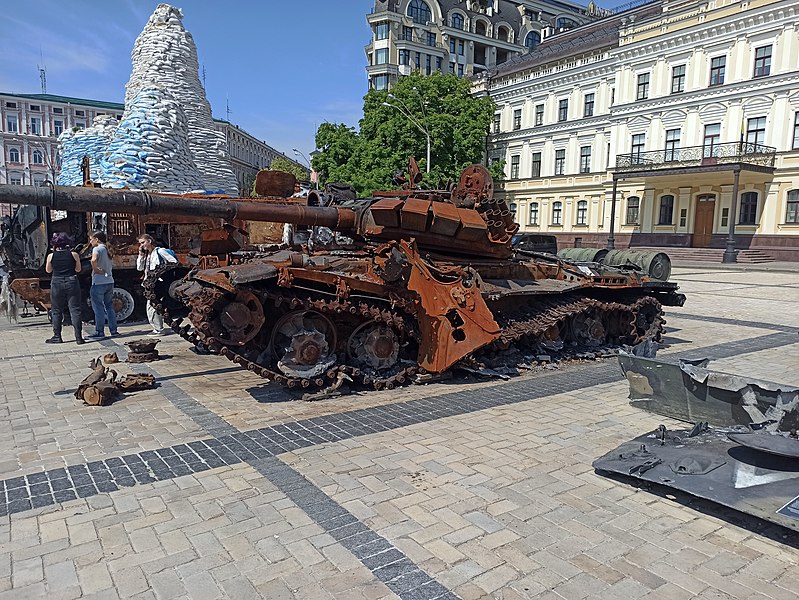
This week, Ukraine is set to commemorate its 31st year of independence from Soviet rule as well as defend itself in the sixth consecutive month of the ongoing war Russia has waged on the nation. Kyiv announced that independence day celebrations and rallies are not allowed in light of a potential Russian attack.
Kyiv this week banned independence day celebrations, citing a warning of US officials that Russia may plan an attack on the same day. Ukrainian President Volodymyr Zelenskyy has recently warned that Russia may attempt to do “something particularly ugly” in the midst of Ukraine’s celebrations of independence from the Soviet Union.
A US official also told Reuters this week that Russia was planning on increasing its offensive to target civilian infrastructure and government establishments in the coming days, based on obtained intelligence.
This led officials in the capital to ban public events related to Ukraine’s independence day from Monday to Thursday.
While Kyiv is far from the front lines where Russian forces have been bombarding Ukraine’s southern and eastern regions, it is rarely hit by Russian missiles when Ukraine launched a counteroffensive to Russia’s attempt on the ground to seize the capital back in March.
Other parts of Ukraine have also restricted public gatherings related to independence day. In the Russian-occupied Kharkiv, Mayor Ihor Terekhov announced an extended overnight curfew to be effective from Tuesday to Thursday.
In Mykolaiv in southern Ukraine, regional governor Vitaliy Kim said officials planned a precautionary order for residents to work from home on Tuesday and Wednesday and urged residents not to gather in large groups.
Meanwhile, Japanese Prime Minister Fumio Kishida told his cabinet ministers to continue with their diplomatic responses against Russia, including sanctions, while continuing to support Ukraine, in coordination with the G7 countries, according to Japanese finance minister Shunichi Suzuki Tuesday.
“We will continue to work closely with G7 and international community following the prime minister’s instructions and respond appropriately,” said Suzuki, who added that the ministers did not discuss any new sanctions to be imposed on Russia in line with the sanctions already imposed by the West.







