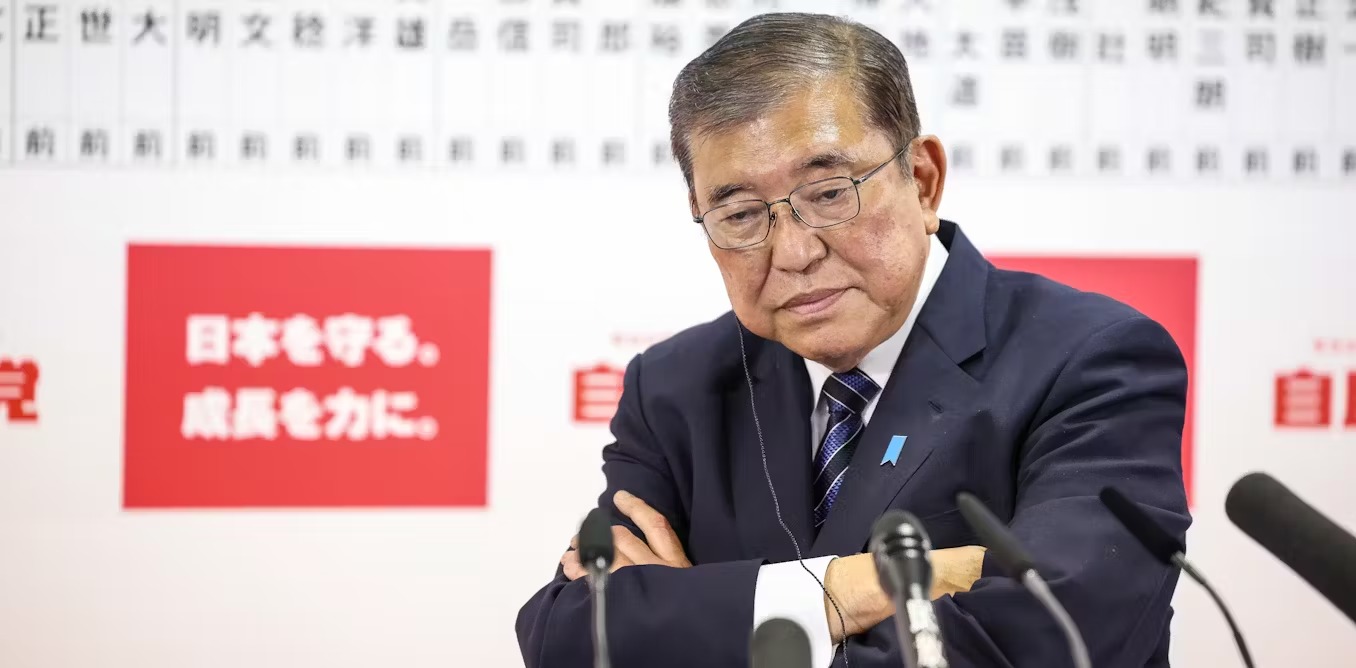
Japan and Vietnam agreed to deepen bilateral trade and uphold global trade rules as Japanese Prime Minister Shigeru Ishiba met with Vietnamese leaders in Hanoi on Monday. The meeting comes as both nations negotiate with Washington to avoid new tariffs.
Ishiba’s trip to Vietnam, followed by a visit to the Philippines, highlights growing East Asian diplomacy amid fears of global economic instability caused by U.S. tariff threats. Early this month, the U.S. announced "bilateral tariffs" of 46% on Vietnamese goods and 24% on Japanese goods, later pausing them until July while talks continue. A 10% tariff remains on all imports to the U.S., a key market for both countries.
"The world economy is becoming more uncertain, and the impact on Southeast Asia is becoming apparent," Ishiba told reporters after his meeting with Vietnam’s Prime Minister Pham Minh Chinh. The two leaders pledged to cooperate in preserving a free and open international order based on the rule of law. They signed four cooperation agreements focused on boosting trade in energy transition products and semiconductor R&D, though specific details were not disclosed.
Vietnam, a major hub for Japanese firms like Honda, Canon, and Panasonic, has received $78 billion in Japanese investment, according to Vietnam’s finance ministry. Japanese banks also hold stakes in leading Vietnamese lenders.
Vietnam’s top leader To Lam urged Japan to expand investment in infrastructure, notably a proposed $67 billion high-speed railway between Hanoi and Ho Chi Minh City. While leaders did not formally include the railway project in new agreements, discussions on major infrastructure cooperation are ongoing.