


 Mike Rogers Calls for End to US-Canada Tariff War
  Saudi Arabia Probes Flydubai Cockpit Attack
  Tsai Warns of China’s Sustained Pressure on Taiwan
  US-Taiwan Ties Remain Strong as Taipei Urges Timely Arms Deliveries
  Lincoln University Students Sue Missouri Over Decades of Underfunding
  JD Vance Says Iran Must Cut Nuclear Enrichment to End War
  Zelenskiy Warns Russia Is Preparing Massive Attack on Ukraine
  US, Greece Launch New Counterterrorism Security Program
  Rapidus Seeks Chip Customers as Japan Pushes 2nm Semiconductor Revival
  Russia Targets Danish Ukraine Suppliers in Sabotage Campaign
  Saudi Airport Attacks Kill Three as Yemen Fighting Escalates
  France to Release 10 Million Barrels of Diesel to Ease Fuel Prices
  Trump Rallies in Texas as Republicans Face Tight Midterm Races
  Pentagon Orders Iran Strike Preparations as Trump Weighs Military Action
  US-Led Coalition Targets Global Factory Overcapacity
  Merz Warns of Extremism After AfD Gains Power in Saxony-Anhalt
  Vance Demands Iran Cut Nuclear Enrichment to End War


 Add as a preferred source on Google
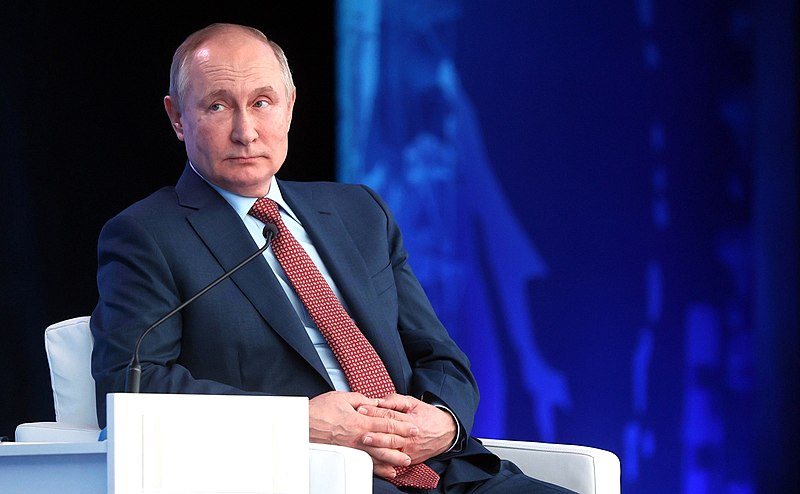
Several world powers have come together to warn Russian President Vladimir Putin against attempting an invasion of Ukraine as of late. With tensions remaining high over the possibility, Putin recently pushed back against the warnings, saying that Russia will also respond.
Express reports that Putin pushed back against the warnings of world powers to dial down its aggression towards Ukraine. During a meeting at the defense ministry, Putin said that Russia will respond “toughly to unfriendly steps,” saying that it has every right to respond in such a manner. Russian media mogul Dmitry Kiselyov also threatened Monday “to put a gun in America’s head” should NATO troops be stationed in Ukraine, saying that the alliance should not interfere else they turn into “radioactive ash.”
The US has repeatedly warned that Putin appears to be preparing Russian troops and military vehicles to carry out an invasion of Ukraine. The Russian leader maintained that the buildup is simply a defense force.
Putin’s comments follow Russia’s proposed list of demands for NATO. The demands include keeping Ukraine from becoming a member of the alliance and that its troops withdraw from countries that were once under the soviet union. Putin stressed that Russia demands “long term, legally binding guarantees” from its list of demands on the alliance, taking a swipe at the US.
“The United States easily withdraws from all international treaties that for one reason or another become uninteresting to them,” said the Russian leader.
“What is going on, this tension that builds up in Europe, it is their fault, at each step Russia had to respond somehow,” Putin added. “At each step, the situation got worse and worse, degraded and degraded. And today we are in the situation when we need to decide something.”
In an interview with Express, the University of Kent Russian and European Politics professor Richard Sakwa suggested that western allies are not helping to defuse tensions in the region. Sakwa explained that the recent cause of escalation regarding Ukraine centers on diplomacy, noting that Moscow feels its security concerns have been largely ignored since 1991 and that they have now arrived at a critical juncture.
Sakwa explained that the US and Russia are the only ones who can de-escalate the tensions in the region.







