


 Maduro, Wife May Face New US Torture Charges
  Vance Demands Iran Cut Nuclear Enrichment to End War
  Trump Weighs FBI Probe Into Nolan Wells’ Death
  Lincoln University Students Sue Missouri Over Decades of Underfunding
  US Pressures Allies to Distance From Anti-Disinformation Conference
  Trump Says He Deserves 2026 Nobel Peace Prize Despite Uncertain Chances
  Saudi Airport Attacks Kill Three as Yemen Fighting Escalates
  Trump Backs Florida Golf Course as Presidential Retreat
  Trump Envoy Meets Sudan Army Chief in Egypt
  San Francisco Halts New Data Center Construction With 45-Day Moratorium
  Houthis Strike Aden Airport as Yemen Fighting Escalates
  JD Vance Says Iran Must Cut Nuclear Enrichment to End War
  Saudi Arabia Probes Flydubai Cockpit Attack
  Trump Rallies in Texas as Republicans Face Tight Midterm Races
  Mike Rogers Calls for End to US-Canada Tariff War
  Hegseth Praises USS Abraham Lincoln Crew After Record Iran War Deployment
  Zelenskiy Warns Russia Is Preparing Massive Attack on Ukraine


 Add as a preferred source on Google
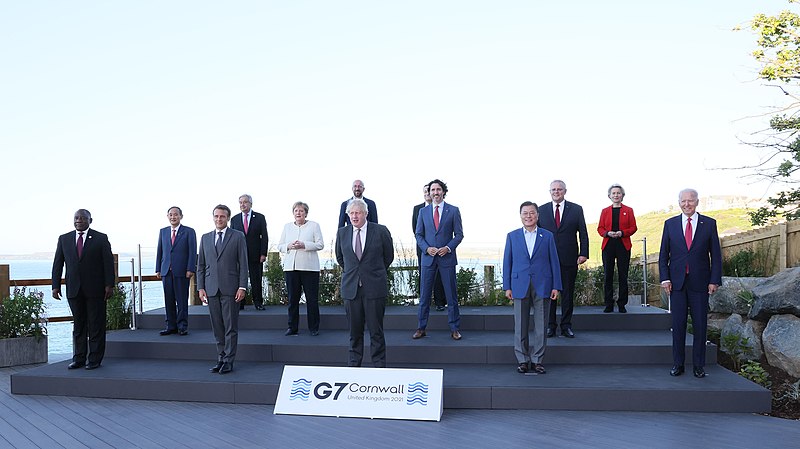
Tensions remain high between Russia and Ukraine, with the West on alert of any moves coming especially from Moscow. The foreign ministers of the G7 countries have warned that Russia will face serious repercussions if it decides to invade Ukraine.
Reuters reports that the foreign ministers of the G7 member nations had a meeting over the weekend in the UK, all of whom are united in preventing the conflict between Russia and Ukraine from escalating any further. A senior official from the US state department told the outlet that the discussions about Russia and Ukraine were “intense” and that there was still a way to de-escalate tensions between the two countries in a diplomatic manner.
“If they choose not to pursue that path, there will be massive consequences and severe costs in response, and the G7 is absolutely united in that,” said the official. “The kinds of costs that we are talking about are designed to be implemented very, very fast.”
The alliance also released a joint statement following their meeting, condemning Russia for the buildup of troops at its border with Ukraine as well as its aggressive rhetoric. In the statement, the G7 called on Russia to de-escalate the tensions through diplomacy while also adhering to international commitments by maintaining transparency in its military activities, referencing US President Joe Biden’s call with Russian leader Vladimir Putin last week.
“Any use of force to change borders is strictly prohibited under international law. Russia should be in no doubt that further military aggression against Ukraine would have massive consequences and severe cost in response,” said the joint statement.
Should Russia decide to invade Ukraine, analyst Konstantin Malofeyev said that the military conflict would be done in days rather than a week. Malofeyev, who has ties with rebels at Donbas, explained that the regime would ultimately end up in the UK, telling the public that they would have brought their “tanks into Moscow” if the west did not give up on them.
This comes as there are already 175,000 Russian troops at its border with Ukraine. While officials from the US and Europe, including those with ties to the Kremlin and Moscow, admit that it remains unknown what Putin’s intentions for Ukraine are. Some have speculated that the buildup of troops at the border was Putin’s strategy to keep the US from expanding NATO membership to Ukraine.







