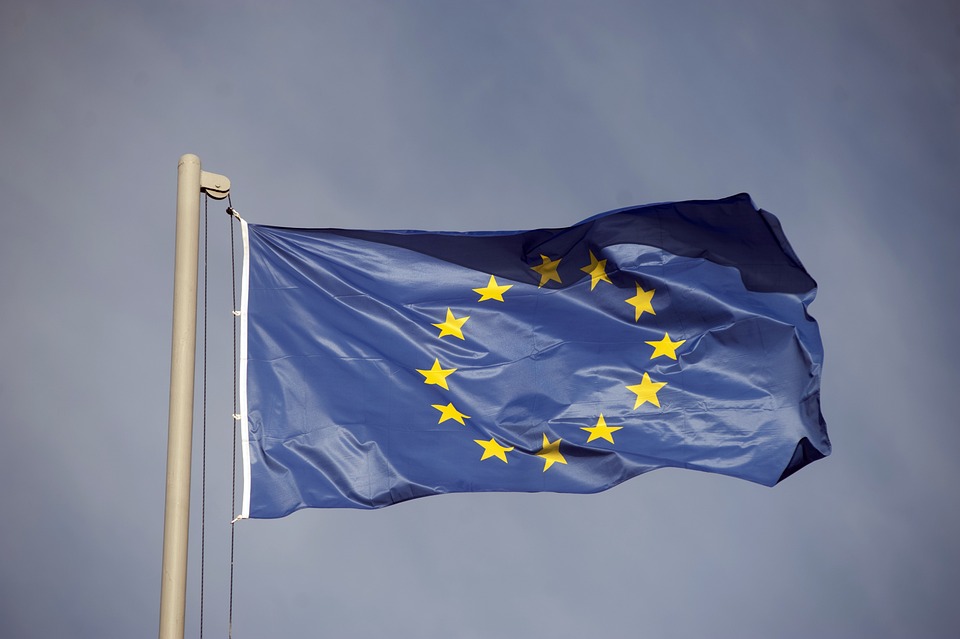
Representatives of the countries in the European Union are set to discuss a recent move by Poland and Hungary to temporarily ban food imports from Ukraine. Warsaw and Budapest are expected to offer an explanation for the move to ban agricultural imports from Ukraine.
A senior EU official said on Monday that representatives of the EU member countries are expected to discuss Poland and Hungary’s latest moves to temporarily ban agricultural imports from Ukraine. The official explained that low global prices and demand meant that the grain was staying within the bloc rather than being sold. The oversupply of Ukrainian grain turned into an issue by the ruling political party in Poland.
“We expect Poland and Hungary to offer some explanation and there will also be a reaction by the European Commission,” said the official. “There is an issue and we expect the European Commission to come up with a proposal on that. We’ll see what we can do in the coming weeks and months.”
The Ukrainian agriculture minister said Kyiv wants to reopen food and grain transit through Poland as the first step in talks in Warsaw on Monday.
Slovakia has also followed suit by temporarily banning agricultural imports from Ukraine, except for grain, over the same fears that the oversupply of Ukrainian imports has pushed prices down and put local farmers at risk.
Hungarian agriculture minister Sandor Farkas also warned that if the EU does not take sufficient action to protect Hungarian farmers, the temporary ban may be extended past June.
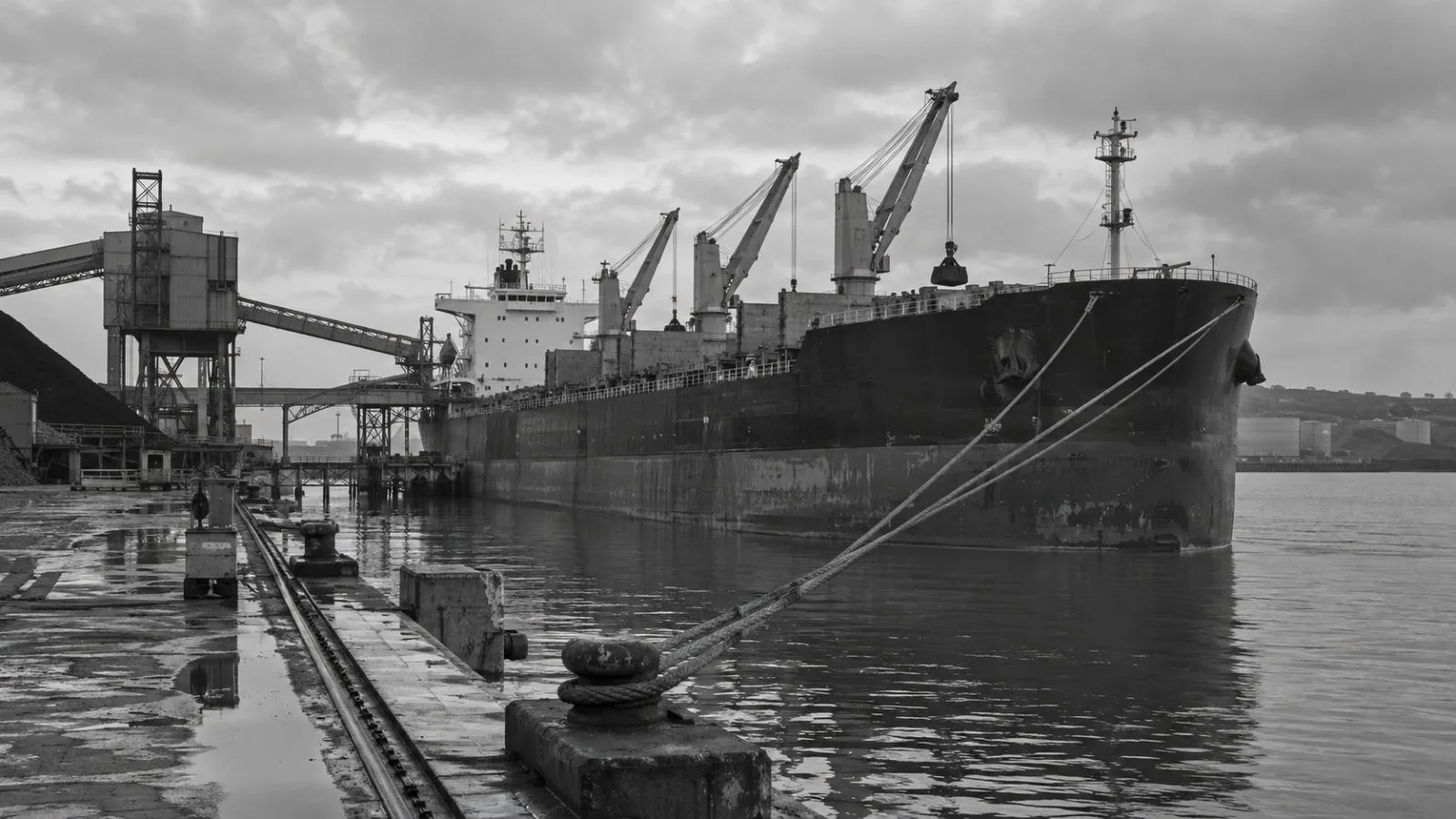
The bloc removed all duties on Ukrainian grain and introduced a “solidarity lane” to make sure that there are no global obstacles in global exports. This followed the brokering of the Black Sea Deal that ended the Russian blockade of all exports of Ukrainian agricultural products since the invasion.
The move, however, has drawn the ire of farmers across Eastern and Central Europe.
On the same day, the British defense ministry, in its intelligence bulletin, said Ukraine is reporting mine-related civilian casualties in territories previously occupied by Russia, such as Kharkiv and Kherson. The ministry said that this may likely increase as the season changes and as more people participate in agricultural activities.
The ministry said that since Russia’s invasion of Ukraine in February, there had been only 750 reported mine-related casualties among civilians. It might take at least a decade for Ukraine to be completely free of mines.