


 US Conducts Non-Nuclear Explosion Test to Boost Nuclear Detection
  Israeli Settler Attack in West Bank Kills Palestinian
  Flydubai Co-Pilot Tried to Crash Israel-Bound Jet, Netanyahu Says
  California Leads Lawsuit Over Trump’s $810 Million Funding Cuts
  Netanyahu Says Israel May Join Flydubai Crash Attempt Probe
  Lula Leads Flavio Bolsonaro 48%-45% in Datafolha Poll
  US Officials See China Taiwan Invasion Before 2028 as Less Likely
  Trump Praises Boeing 737 Max After Flydubai Crash Attempt
  Netanyahu Vows Probe Into Foiled Flydubai Crash Attempt
  Trump Demands Powell Resign Over Fed Renovation Cost Overruns
  Merz to Meet ECB Frontrunners Knot and De Cos
  Russia Warns NATO of Nuclear Response Over Kaliningrad
  Trump Taps Dennis Rodman as Kim Jong Un Outreach Continues
  Xi Rest Breaks Cut Trump Summit Schedule, WSJ Reports
  Iran Plans Stronger Response if US Attacks Resume


 Add as a preferred source on Google
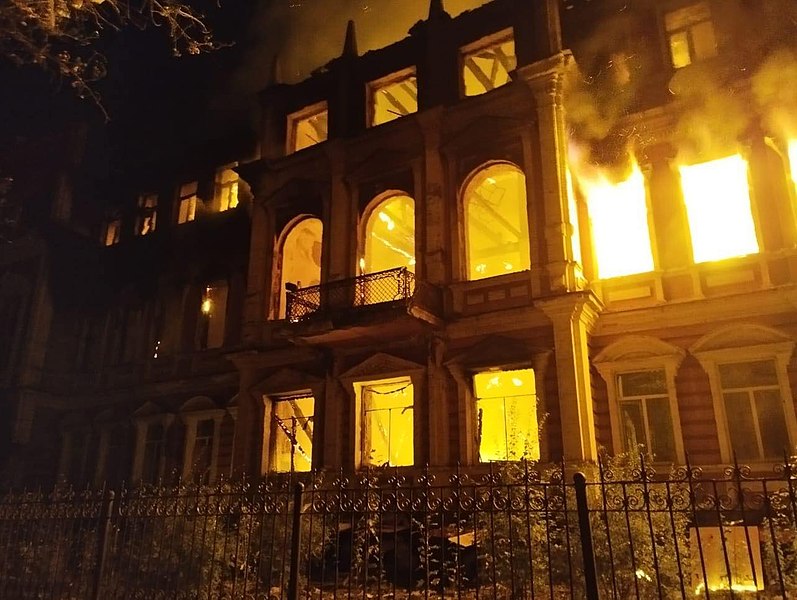
The heads of the human rights offices of both Russia and Ukraine are set to meet this week in Turkey. The meeting may likely center around more prisoner exchanges.
Russian and Ukrainian news outlets said on Monday that the human rights chiefs of both countries are set to meet in Turkey in the coming days. The talks during the meeting may likely revolve around further prisoner exchanges.
Russian human rights commissioner Tatiana Moskalkova said the meeting with Ukrainian human rights chief Dmytro Lubinets would take place during an international conference in Turkey from Thursday to Saturday, according to the Interfax news outlet. Moskalkova said that there have already been discussions on what would be on the agenda for the upcoming meeting.
According to the Ukrinform news outlet of Ukraine, Lubinets said the main issue on the agenda was “the return of our heroes and heroines,” referencing prisoner exchanges. This follows the latest prisoner swap of many between Russia and Ukraine throughout the war.
“Separately, we want to raise the issue of the return of civilian hostages, whom the Russian Federation has detained en masse in the temporarily occupied territories of Ukraine and whom it does not allow to go home,” said Lubinets.
Ukraine has condemned the forced deportation by Russia of citizens residing in the eastern and southern territories of Ukraine in what Moscow calls an evacuation operation. Some of those citizens forcibly removed were taken to Russia or to the Russian-annexed Crimean peninsula. Peace talks have since stalled in the early months of Russia’s invasion of Ukraine and have not been renewed.
Heavy fighting has been taking place in the Bakhmut area of the eastern region of Donbas. The British defense ministry said in its intelligence bulletin on Tuesday that Russian forces with members of the Wagner mercenary group have likely taken control of most of the town of Soledar which is 10 kilometers north of Bakhmut. Capturing Soledar is part of Russia’s “main operational objective.”
“Russia’s Soledar axis is highly likely an effort to envelope Bakhmut from the north and to disrupt Ukrainian lines of communication. Part of the fighting has focused on entrances to the 200-kilometer-long disused salt mine tunnels which run underneath the district. Both sides are likely concerned that they could be used for infiltration behind their lines,” said the ministry.







