


 US Alcohol Ban Exposes Canada’s Internal Trade Barriers
  South Korea Warns Ukraine Over North Korean POW Dispute
  Iran Plans Stronger Response if US Attacks Resume
  Tsai Ing-wen to Visit US for Stanford Security Conference
  US Conducts Non-Nuclear Explosion Test to Boost Nuclear Detection
  Israeli Settler Attack in West Bank Kills Palestinian
  US Appeals Court Keeps Trump IRS Case Sanctions in Place
  Marco Rubio to Visit Iceland, Greece and Portugal
  Russia Warns NATO of Nuclear Response Over Kaliningrad
  Flydubai Co-Pilot Tried to Crash Israel-Bound Jet, Netanyahu Says
  Lula Leads Flavio Bolsonaro 48%-45% in Datafolha Poll
  Trump Demands Powell Resign Over Fed Renovation Cost Overruns
  Ukraine Deploys FP-7 Ballistic Missile in Combat for First Time
  TSA Removes Chairs for Airport ID Check Officers
  Brazil Presidential Debate Canceled as Lula, Bolsonaro Skip Event
  New Zealand Election Raises Policy Uncertainty for Investors


 Add as a preferred source on Google
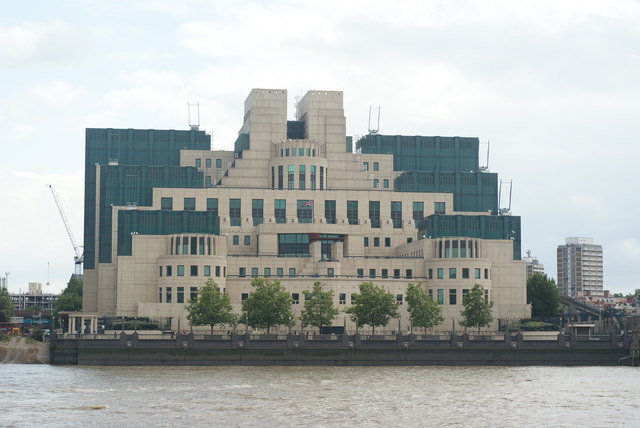
The British domestic counter-terrorism chief said that the expulsion of hundreds of suspected Russian agents across the European continent has dealt a major blow to Moscow. The spy chief added that the scale of the sanctions paired with the expulsions caught Russian leader Vladimir Putin off-guard.
In remarks at the United Kingdom’s MI5 headquarters in London Wednesday, the MI5’s Director-General Ken McCallum said that a large number of Russian officials have been expelled from countries across the world. This included 600 officials across Europe, 400 of which were suspected to be spies.
“This has struck the most significant strategic blow against the Russian intelligence Services in European history,” said McCallum. “And together with coordinated waves of sanctions, the scale has taken Putin by surprise.”
McCallum explained that the response followed a template set by the UK following the nerve agent poisoning of Sergei Skripal and his daughter Yulia in Salisbury back in 2018. This resulted in diplomatic expulsions of Russian officials in the country. McCallum cited that the UK has refused over 100 Russian diplomatic visa applications since then on the basis of national security.
McCallum noted that the UK has been one of the strongest supporters of Ukraine since Russia’s invasion back in February, and the backing of Ukraine by London was shown through Moscow’s allegations that the UK was involved in the damaging of the Nord Stream gas pipelines back in September.
“The serious point is that the UK must be ready for Russian aggression for years to come,” said McCallum.
On Thursday, US Secretary of State Antony Blinken said that Russia’s agreement to extend the Black Sea Grain Deal brokered by the United Nations was a sign that Moscow was aware that the world would not accept its refusal to extend the agreement.
“Together, we sent a clear message to President Putin that he should extend the Black Sea grain initiative, which was set to expire on Saturday,” Blinken told a news conference in Bangkok ahead of the APEC Summit. “Russia again heard and apparently felt that the world would not accept Moscow refusing to extend the agreement.”







