


 Russian Strikes Kill Six in Ukraine, Including Three in Kharkiv
  US Charges Maduro and Wife With Torture Conspiracy
  Venezuela’s Machado Calls for Elections by July 2027
  North Korea Fires Ballistic Missiles as Tensions With South Korea Escalate
  Trump Buys Up to $25M in Meta Stock, Invests in SpaceX Debt
  UK Finance Minister Healey Calls for Fiscal Discipline Amid Global Risks
  US, EU Push for Action Against Asia’s Excess Factory Capacity
  Zelenskiy Slams US Over Deadly Russian Strikes on Ukraine
  Trump Calls for Zelenskyy Replacement Amid Russian Diesel Deal
  Yandex Data Center Hit by Drone Strike as Russia-Ukraine Cyber Infrastructure Attacks Escalate
  Trump Secures Russian Diesel Deal as US Fuel Prices Surge
  Trump Announces Russia-Ukraine Energy Ceasefire as Zelenskiy Awaits Details
  US Judge Blocks Trump Administration’s Taxpayer-Funded Political Ads
  Brazil Election: Lula and Bolsonaro Rally Ahead of October 25 Runoff
  Ripple Chairman Chris Larsen Donates $22.5 Million Ahead of US Midterms
  Trump Sanctions International Criminal Court, Sparking EU Backlash
  Trump Cancels Alabama Football Trip as Hurricane Isaias Approaches


 Add as a preferred source on Google
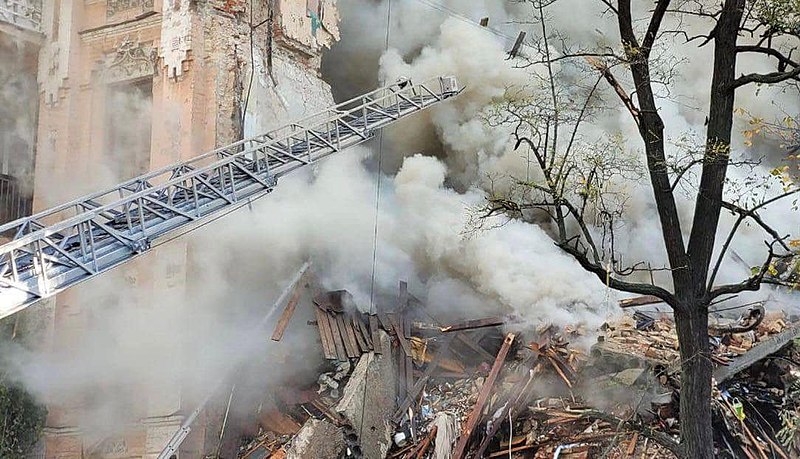
The recent barrage of Russian drone attacks damaged Ukraine’s electricity infrastructure. Kyiv has imposed restrictions on electricity usage in what was the first of such restrictions since Russia invaded Ukraine back in February.
Energy authorities in Ukraine announced Thursday that there would be restrictions on electricity usage for the first time since Russia invaded nearly eight months ago in February.
Ukraine’s grid operator Ukrenergo said in a statement that the country’s power supply would be restricted between 7 am and 11 pm. Temporary blackouts were also to be anticipated should residents not comply with the restrictions on usage.
“We do not exclude that with the onset of cold weather we will be asking for your help even more frequently,” said the statement.
Kyiv mayor Vitaly Klitschko urged residents not to use major electrical appliances, saying, “even a small saving and reduction of electricity consumption in each residence will help to stabilize the national energy system’s operation.”
The restrictions follow Ukrainian President Volodymyr Zelenskyy’s announcement earlier this week that, as a result of Russian drone attacks across Ukraine,
30 percent of the country’s power stations were destroyed, resulting in blackouts. Zelenskyy added at the time that authorities were preparing for “all possible scenarios” leading up to the winter months.
“We assume that Russian terror will be directed at energy facilities until, with the help of partners, we are able to shoot down 100 percent of enemy missiles and drones,” said Zelenskyy.
On the same day of the energy firm’s announcement, Zelenskyy was to speak at the European Summit virtually as leaders of the 27 countries under the bloc were to discuss options for additional support to Ukraine, including the restoration of power supply and long-term financial assistance for the country’s reconstruction.
German Chancellor Olaf Scholz blasted Vladimir Putin for weaponizing energy and hunger in his remarks to parliament. Despite Putin’s tactics, Scholz said the Russian leader has failed to break the unity of the West and that he will not achieve his goals through his tactics.
Scholz added that Germany was able to be independent of Russian gas and was working to bring down energy prices. However, Scholz warned that the bloc’s imposing of a price cap could backfire.







