


 Trump Announces Russia-Ukraine Energy Ceasefire as Zelenskiy Awaits Details
  US, EU Push for Action Against Asia’s Excess Factory Capacity
  US Judge Blocks Trump Administration’s Taxpayer-Funded Political Ads
  Flydubai Co-Pilot Planned Suicide Attack on Israel Airport, UAE Says
  Flavio Bolsonaro Leads Lula 49%-45% in Brazil Runoff Poll
  Zelenskiy Offers Russia Energy Truce Amid Trump Pressure
  Yandex Data Center Hit by Drone Strike as Russia-Ukraine Cyber Infrastructure Attacks Escalate
  Djibouti Migrant Boat Capsizes, Killing 139 and Leaving 84 Missing
  Mahmoud Abbas Postpones Palestinian Elections to September 2027
  Trump Sanctions International Criminal Court, Sparking EU Backlash
  Trump Cancels Alabama Football Trip as Hurricane Isaias Approaches
  Brazil Election: Lula and Bolsonaro Rally Ahead of October 25 Runoff
  Pakistan Declares Emergency in Khyber Pakhtunkhwa, Suspends Imran Khan’s PTI Government
  Zelenskiy Slams US Over Deadly Russian Strikes on Ukraine
  Panama Declares Emergency After 7.7 Earthquake Triggers 200 Aftershocks
  European Auto Stocks Rise as EU-China Trade Deal Targets Hybrid Imports


 Add as a preferred source on Google
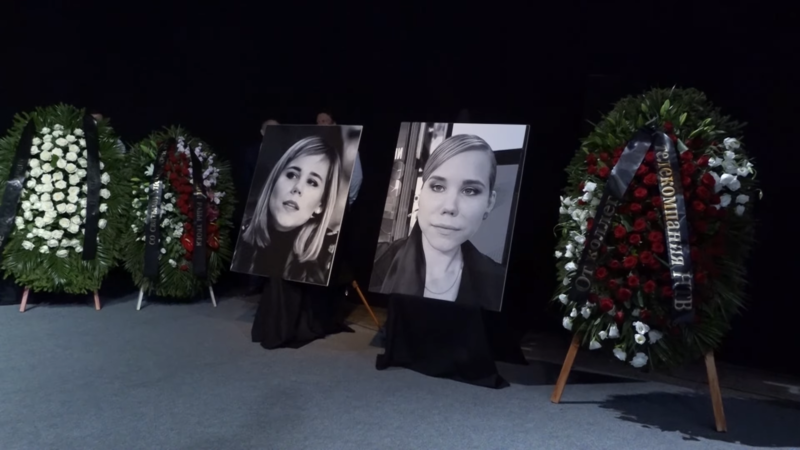
The United States intelligence community suspects that authorities in Ukraine would be behind the bombing that killed the daughter of a Russian nationalist. The assessment of the intelligence community was shared within Washington last week.
A report by the New York Times Wednesday found that according to the country’s intelligence community, parts of the Ukrainian government may have signed off on the bombing of Darya Dugina, the daughter of Russian nationalist Alexander Dugin. The assessment of Kyiv’s suspected participation was shared within Washington last week, according to the report.
Dugina was killed when a bomb detonated in her car back in August. Russia said Ukraine’s “special services” were responsible for the bombing.
Kyiv has denied any involvement at the time, and Ukrainian presidential adviser Mikhailo Podolyak reiterated the denial when pressed on the US intelligence assessment.
“Again, I’ll underline that any murder during wartime in some other country or another must carry with it some kind of practical significance,” said Podolyak. “It should fulfill some specific purpose, tactical or strategic. Someone like Dugina is not a tactical or a strategic target for Ukraine.”
US officials also told the New York Times that they do not have a complete picture of competing power centers in the Ukrainian government. The report added that this may be a reason why some parts of Kyiv may not be aware of the plot. The report also said the US had no involvement in the attack and had no prior knowledge of the attack.
Meanwhile, officials said Thursday that two Russians trying to flee from Vladimir Putin’s mobilization order are trying to claim asylum in the United States when they arrived in Alaska by boat. The office of Republican Senator Lisa Murkowski, who represents the state, said the two were claiming to seek asylum in order to avoid getting enlisted in the partial mobilization of reserve troops.
Alaska Governor Mike Dunleavy also said the two Russian nationals arrived in Alaska by boat and were being questioned.
“We don’t anticipate a continual stream of individuals or a flotilla of individuals. We have no indication that’s going to happen, so this may be a one-off,” said Dunleavy in a statement.







