


 Trump Sanctions International Criminal Court, Sparking EU Backlash
  Trump Secures Russian Diesel Deal as US Fuel Prices Surge
  Panama Declares Emergency After 7.7 Earthquake Triggers 200 Aftershocks
  Pakistan Declares Emergency in Khyber Pakhtunkhwa, Suspends Imran Khan’s PTI Government
  Flydubai Co-Pilot Planned Suicide Attack on Israel Airport, UAE Says
  Djibouti Migrant Boat Capsizes, Killing 139 and Leaving 84 Missing
  UK Finance Minister Healey Calls for Fiscal Discipline Amid Global Risks
  US, EU Push for Action Against Asia’s Excess Factory Capacity
  Yandex Data Center Hit by Drone Strike as Russia-Ukraine Cyber Infrastructure Attacks Escalate
  Ripple Chairman Chris Larsen Donates $22.5 Million Ahead of US Midterms
  JD Vance Questions Pentagon Plan to Livestream Fort Hood Shooter’s Execution
  Zelenskiy Slams US Over Deadly Russian Strikes on Ukraine
  North Korea Fires Ballistic Missiles as Tensions With South Korea Escalate
  Trump Calls for Zelenskyy Replacement Amid Russian Diesel Deal
  Trump Buys Up to $25M in Meta Stock, Invests in SpaceX Debt
  Zelenskiy Slams US-Russia Diesel Deal as Funding War
  Mahmoud Abbas Postpones Palestinian Elections to September 2027


 Add as a preferred source on Google
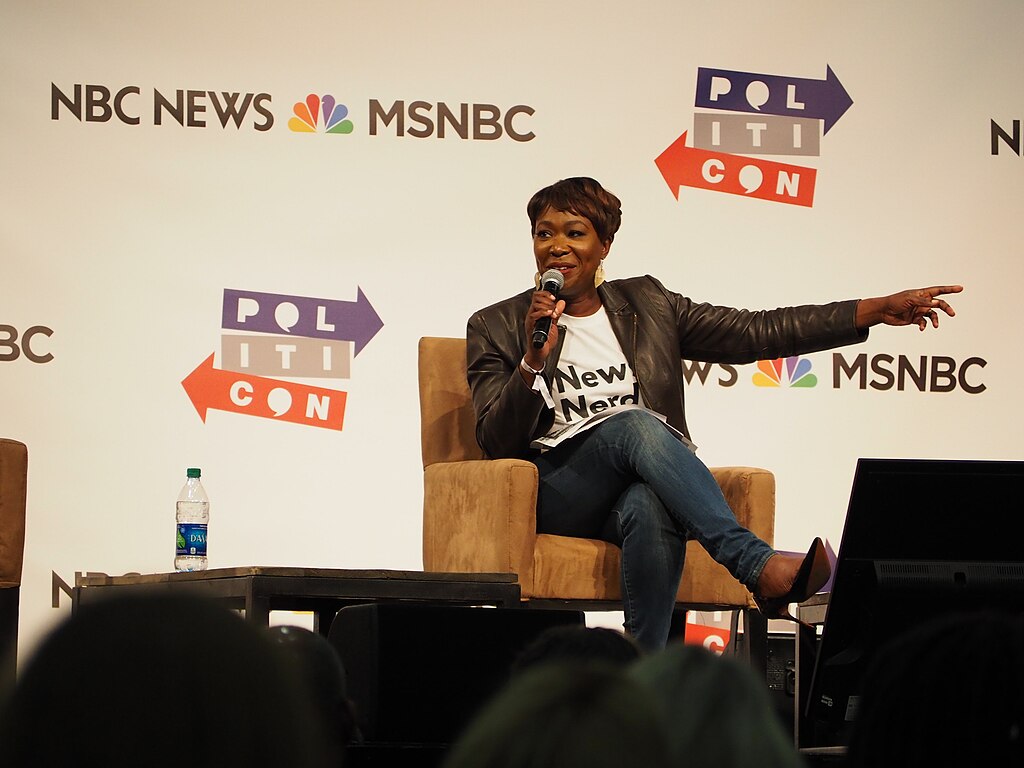
In a pointed commentary during her MSNBC show, Joy Reid denounced President-elect Donald Trump’s agenda, predicting divisive national consequences. Her remarks come as the Trump transition team continues to unveil its vision for the incoming administration, including sweeping changes in domestic and foreign policies.
Reid’s comments immediately drew sharp responses from across the political spectrum. While her supporters view her critique as a necessary challenge to Trump’s controversial proposals, opponents argue that Reid’s rhetoric undermines any potential for national reconciliation after the bitterly contested election.
Trump’s Polarizing Agenda
President-elect Trump has made bold promises about reshaping American policy on immigration, healthcare, and international trade. His administration plans to revisit climate change commitments, expand border enforcement, and cut funding for diversity, equity, and inclusion (DEI) programs. These proposals have drawn both praise and criticism, depending on the ideological stance of those evaluating them.
Critics like Reid argue that Trump’s policies threaten to dismantle progress on civil rights and environmental protections while deepening social and economic divides. Reid’s assertion that "there is no coming together" reflects concerns that Trump’s leadership may exacerbate partisan tensions rather than mend them.
MSNBC and Reid Face Backlash
Reid’s declaration has intensified debates about the role of media personalities in shaping public opinion during political transitions. While MSNBC has supported its host’s critical stance, the backlash from conservative media and Trump loyalists has been swift. Prominent figures have accused Reid of inflaming divisions instead of fostering dialogue.
At the same time, Reid’s supporters argue that her criticisms hold Trump accountable for his policy decisions. Activists and progressive groups have amplified her message, seeing her as a voice for those who fear losing ground on issues like racial equity and LGBTQ+ rights.
Calls for Unity or More Division?
Despite Reid’s warnings, Trump has appealed for national unity, emphasizing the need to move forward as a country. However, his policy initiatives and cabinet appointments continue to signal a dramatic departure from the previous administration’s priorities. Critics suggest that these moves risk alienating a significant portion of the electorate.
Political analysts note that the Biden administration faced similar opposition from conservative voices during its term. Reid’s remarks underscore the cyclical nature of American political polarization, where ideological divides hinder efforts to build consensus.
National Implications
Reid’s commentary reflects broader anxieties among progressives about the direction of the nation under Trump’s leadership. Her remarks resonate with those who view the President-elect’s agenda as a rollback of hard-fought progress. However, critics counter that such rhetoric only widens the rift between opposing factions.
As the Trump administration prepares to take office, debates over policy direction and national unity are expected to intensify. Reid’s fiery declaration will likely remain a focal point of these discussions, illustrating the challenges of navigating ideological divides in a deeply polarized nation.







