South Korean companies in the auto, chemical, and steel industries are increasing investments in hydrogen to cut greenhouse emissions and capture new business opportunities.
To embrace the transition, companies in the said carbon-intensive industries have announced hydrogen business road maps.
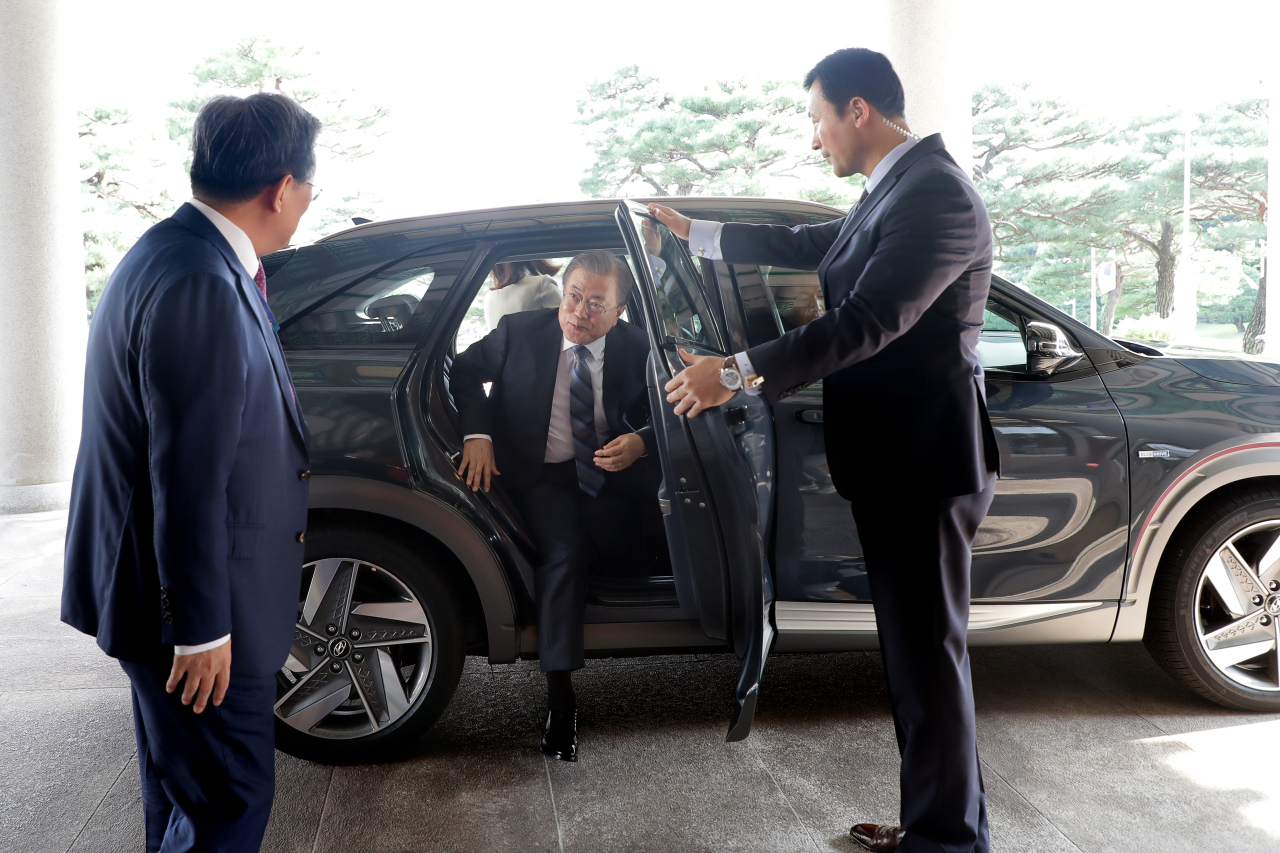
Hyundai Motor Group, which introduced its ix35 fuel cell electric vehicle (FCEV) in 2013, has added the NEXO SUV, the XCIENT fuel cell heavy-duty truck, and a fuel cell electric bus, surpassing Japanese rivals in the field.
FCEVs run on pressurized hydrogen and create electricity by chemically fusing it with oxygen in a fuel stack.
SK Group, whose businesses range from semiconductor and telecom batteries and re, said it plans to produce hydrogen utilizing its energy infrastructure. The group’s holding firm, SK Holdings, had set an annual hydrogen production goal of 280,000 tons by 2025 to supply its fuel cell power plants and petrol stations.
Meanwhile, steelmaker POSCO is expanding its hydrogen business and establishing supply chains, targeting 5 million tons of annual hydrogen production by 2050.
POSCO currently has an annual hydrogen production of 7,000, mostly using natural gas and byproducts from its power plants.


Nvidia CEO Jensen Huang Says AI Investment Boom Is Just Beginning as NVDA Shares Surge
Uber Ordered to Pay $8.5 Million in Bellwether Sexual Assault Lawsuit
SpaceX Prioritizes Moon Mission Before Mars as Starship Development Accelerates
Once Upon a Farm Raises Nearly $198 Million in IPO, Valued at Over $724 Million
SoftBank Shares Slide After Arm Earnings Miss Fuels Tech Stock Sell-Off
Missouri Judge Dismisses Lawsuit Challenging Starbucks’ Diversity and Inclusion Policies
Sony Q3 Profit Jumps on Gaming and Image Sensors, Full-Year Outlook Raised
Hims & Hers Halts Compounded Semaglutide Pill After FDA Warning
Weight-Loss Drug Ads Take Over the Super Bowl as Pharma Embraces Direct-to-Consumer Marketing
Nasdaq Proposes Fast-Track Rule to Accelerate Index Inclusion for Major New Listings
TSMC Eyes 3nm Chip Production in Japan with $17 Billion Kumamoto Investment
Alphabet’s Massive AI Spending Surge Signals Confidence in Google’s Growth Engine
Baidu Approves $5 Billion Share Buyback and Plans First-Ever Dividend in 2026
Tencent Shares Slide After WeChat Restricts YuanBao AI Promotional Links
Ford and Geely Explore Strategic Manufacturing Partnership in Europe
Rio Tinto Shares Hit Record High After Ending Glencore Merger Talks
Amazon Stock Rebounds After Earnings as $200B Capex Plan Sparks AI Spending Debate 


