


 FDA Weighs Safety Standards for Psychedelic Therapies
  SEC Seeks ISS Client Voting Records in Proxy Adviser Probe
  Brazil Warns EU of Retaliation Over Animal Products Ban
  Trump Administration Pauses Visa Appointments Worldwide
  U.S. Issues Cuba Health Alert as Illnesses Rise
  Guterres Urges Stronger Global AI Safeguards Ahead of UN Assembly
  France Targets Shein, Temu With Fast-Fashion Fees
  Who should own the knowledge that underpins AI technology?
  New Zealand Labour Backs Social Media Ban for Under-16s
  US Allies Fear Trump Could Soften Taiwan Stance in Xi Talks
  Judge Blocks Trump Rule Limiting Foreign Student Visas
  France Urges Faster AI Push Despite Safety Risks
  Trump Administration Removes Confederate Memorial Criticism From Arlington Website
  Google Changes EU Spam Policy Amid Antitrust Scrutiny
  DOJ Will Investigate AI-Related Crimes, Attorney General Blanche Says
  UK PM Andy Burnham Set for First Trump Meeting in New York
  US Officials Meet Houthis in Oman Amid Yemen Offensive


 Add as a preferred source on Google
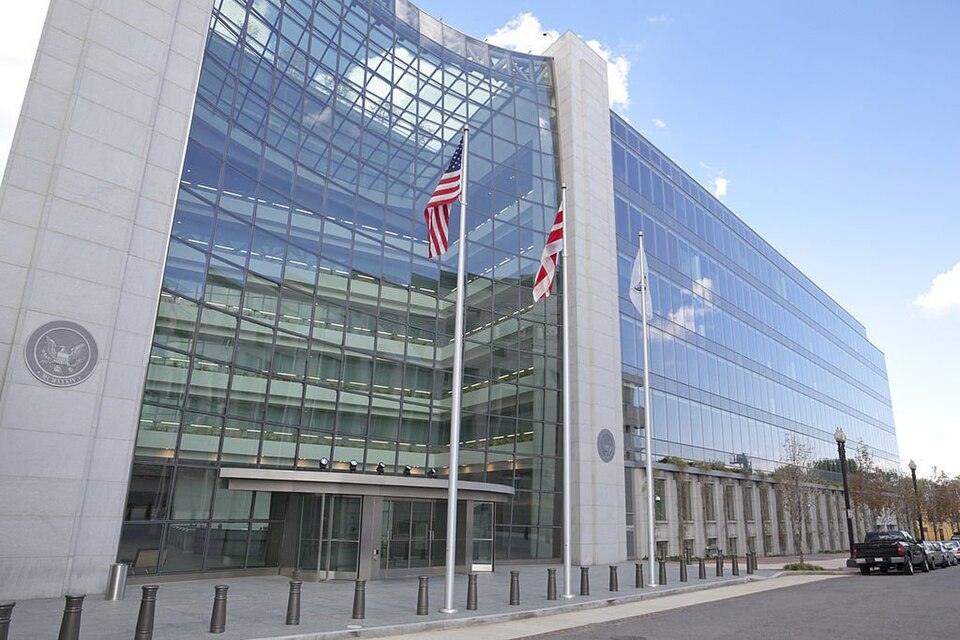
The U.S. Securities and Exchange Commission is weighing a landmark change to how public companies report their financials, potentially moving from quarterly disclosures to just twice a year. According to recent reports, the regulator could unveil the proposal as early as next month, giving companies the flexibility to opt out of the longstanding quarterly earnings cycle.
The initiative has gained strong backing from President Trump and newly appointed SEC Chairman Paul Atkins, both of whom have characterized the current four-times-a-year requirement as an unnecessary administrative burden. Advocates of the reform argue that easing reporting obligations could lower compliance costs for businesses and potentially attract more companies to list publicly in the U.S., helping to reverse a decade-long decline in the number of publicly traded firms.
As part of its groundwork, the SEC has been in active discussions with major stock exchanges to assess how existing listing rules would need to be updated. The proposed change would not eliminate quarterly reporting altogether but would make it voluntary rather than mandatory, preserving the option for companies that prefer to maintain higher disclosure frequency.
The proposal builds on momentum from late last year, when the Long-Term Stock Exchange formally petitioned the SEC to revisit disclosure rules. A similar initiative was explored during Trump's first term but never advanced this far in the regulatory process.
Before any rule change takes effect, it must clear a mandatory public comment period of at least 30 days, followed by a formal commission vote. The outcome is far from certain, as many institutional investors and analysts depend on regular financial transparency to accurately value their portfolios.
Critics warn the shift could introduce greater market volatility, while supporters point to European and U.K. markets, where mandatory quarterly reporting was scrapped more than a decade ago with broadly positive results. Many overseas firms continue to report quarterly by choice, suggesting a voluntary model can still support investor confidence.







