A group of United Nations human rights experts has criticized U.S. President Donald Trump’s recent executive order targeting Cuba’s fuel supplies, warning that the move is worsening the island’s ongoing energy crisis and harming basic human rights. The experts described the policy as a form of “energy starvation” that threatens Cuba’s economic stability and essential public services.
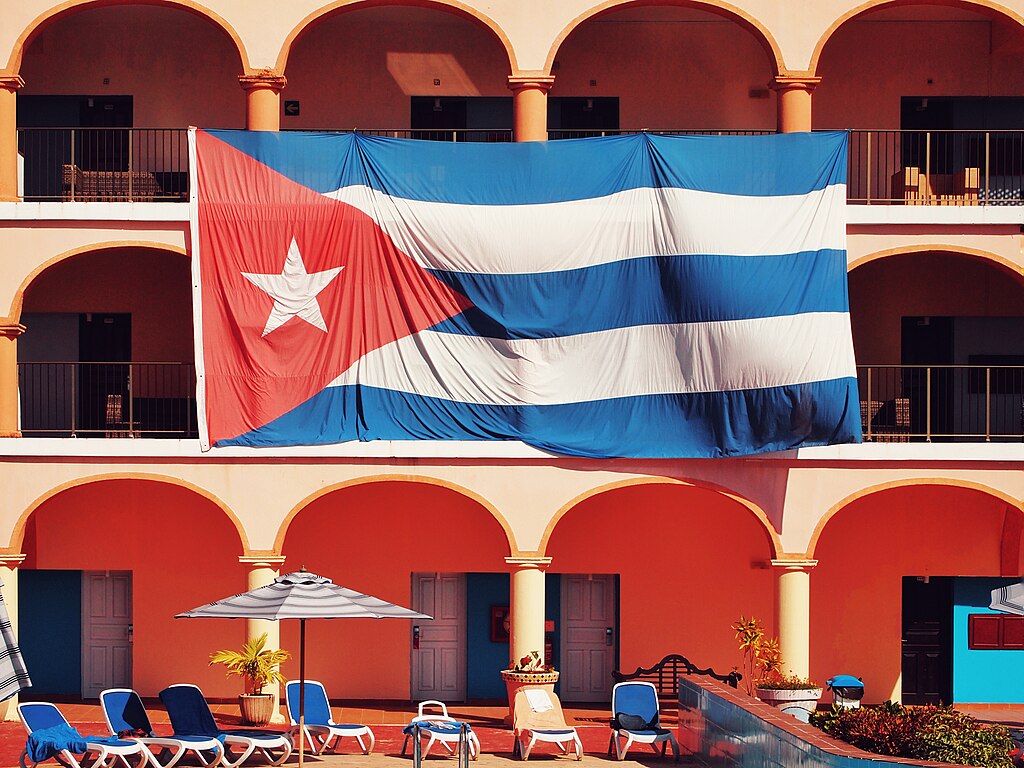
The United States has maintained a trade embargo against communist-led Cuba since 1960, but tensions escalated this year after Washington introduced tougher sanctions and threatened tariffs on countries exporting oil to the Caribbean nation. The Trump administration has also repeatedly hinted at possible military action against Cuba, further increasing geopolitical pressure.
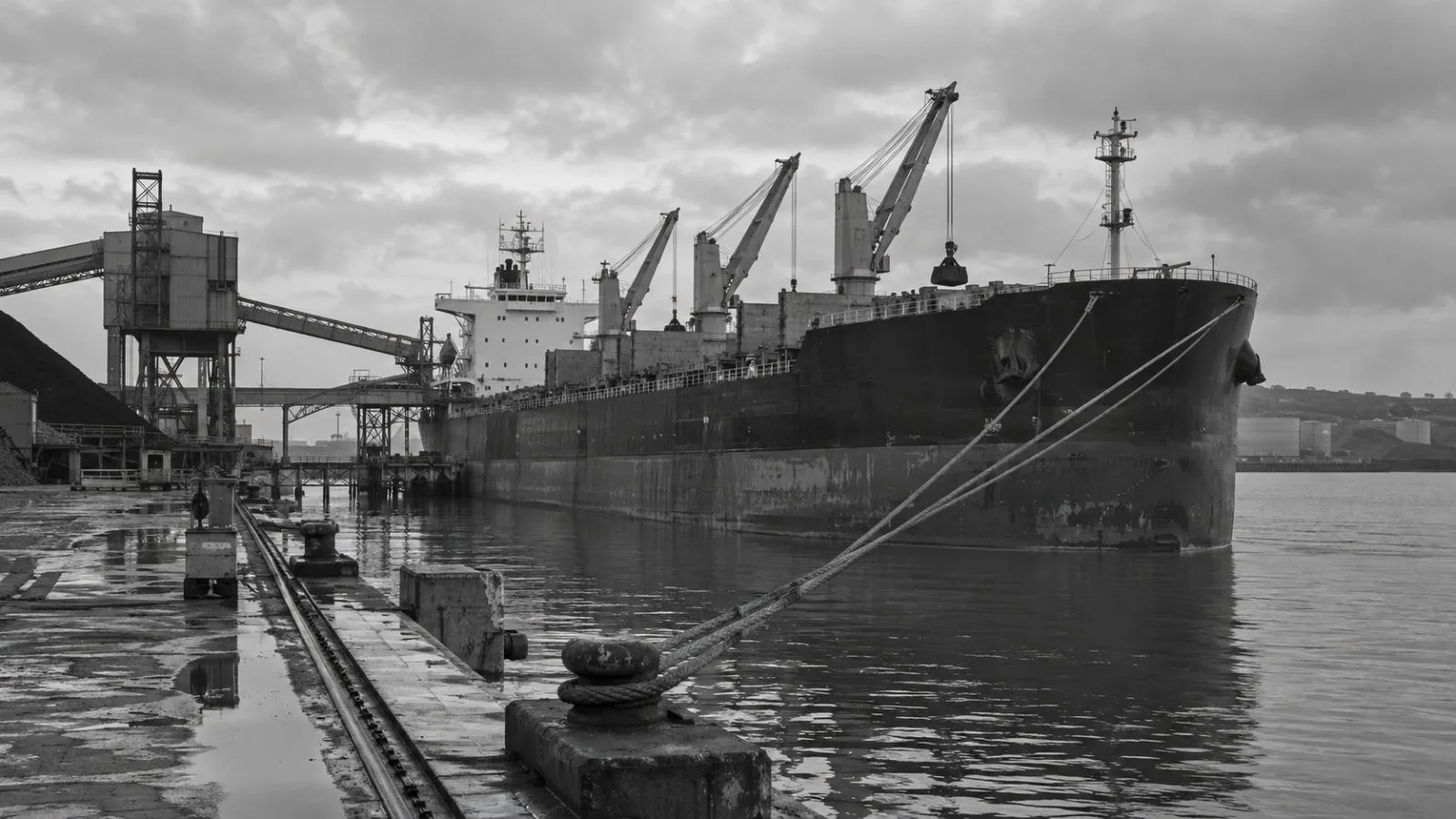
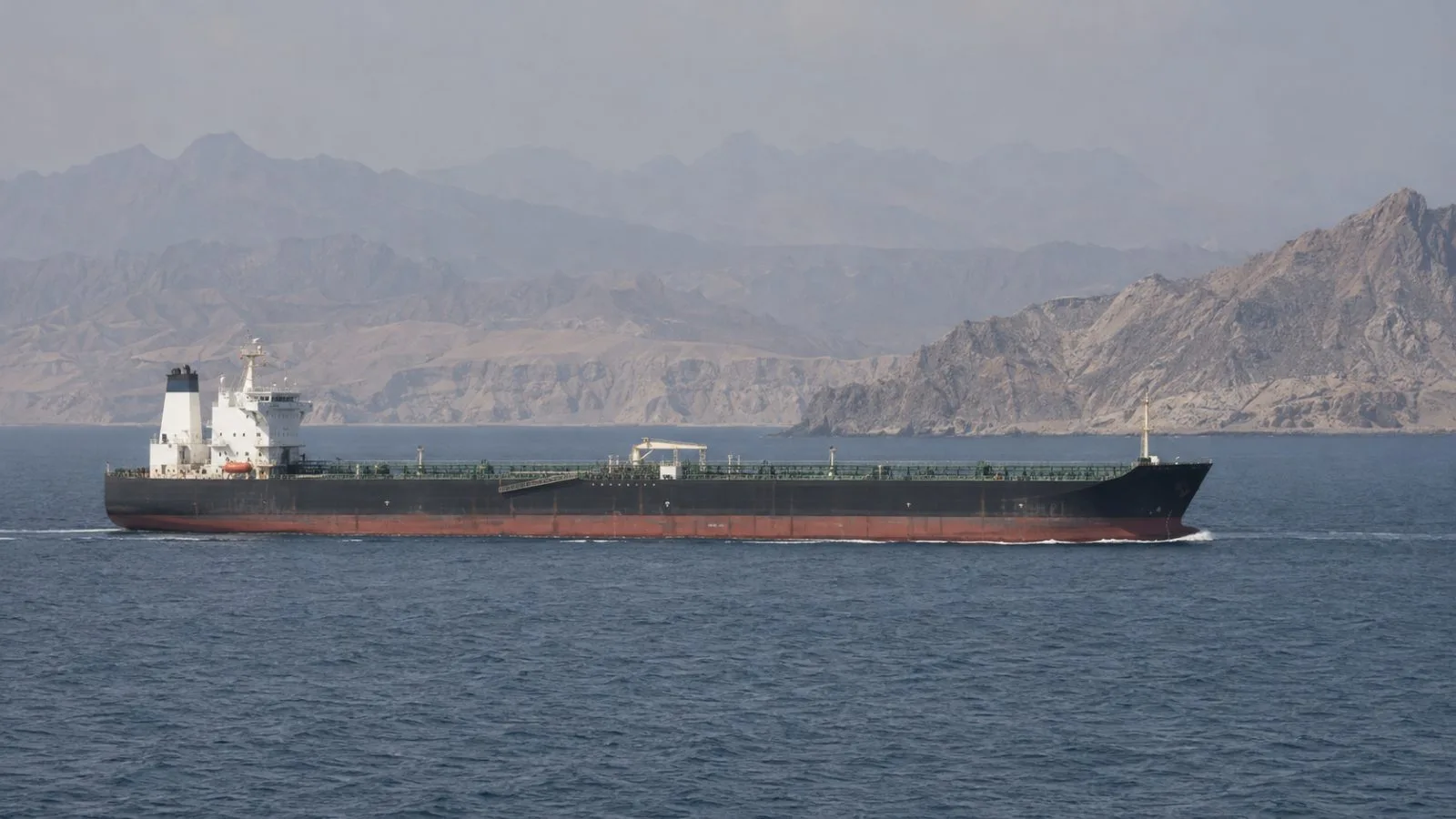
According to the U.N. experts, the restrictions have intensified severe fuel shortages across the island. Cuba’s electricity grid depends heavily on imported oil, and the lack of fuel has forced authorities to ration transportation, electricity, and other essential services. Many businesses and households have started turning to alternative energy sources such as solar power to cope with the shortages.
The independent experts, appointed by the U.N. Human Rights Council, argued that while the U.S. claims the measures are intended to address human rights concerns in Cuba, the sanctions themselves are directly affecting the Cuban population’s access to healthcare, transportation, food distribution, and electricity.
Russia remains the only major country continuing to ship fuel to Cuba amid the growing international pressure. Meanwhile, Washington announced additional sanctions on Thursday targeting a military-run Cuban business conglomerate and a Cuban-Canadian mining venture. Last week, Trump also signed another executive order expanding sanctions against individuals and organizations linked to Cuba’s security sector.
The latest developments highlight rising tensions between the United States and Cuba while raising international concerns over the humanitarian impact of stricter economic sanctions on the island nation.