


 Epic Games Delays Disney Shooter, Shifts to AI-First Development
  Meta Launches Muse Wonder AI Models, Shares Rise 3.7%
  Russia Approves Sberbank for Crypto Exchange Services
  Moonshot AI Executives Seek Settlement Ahead of Hong Kong IPO
  Orsted to Take Full Ownership of UK Offshore Wind Farm for £15 Million
  Coinbase CEO Backs SEC Accredited Investor Reform
  Canton Network Expands in South Korea With Major Partnerships
  Ethereum Foundation-Linked Wallets Move $11.13M in ETH to Kraken
  Nvidia’s China AI Chip Market Share Falls to 34% as Huawei Gains Ground
  Most Americans Oppose Election Betting on Prediction Markets, Poll Finds
  European Auto Stocks Rise as EU-China Trade Deal Targets Hybrid Imports
  Morgan Stanley Predicts $10 Trillion RWA Market by 2030
  Elon Musk Donates $366 Million to 2026 US Midterms
  Albertsons Seeks $9.3 Billion From Kroger Over Failed Merger
  Hong Kong’s Second Solana ETF Launches With Lower Fees
  Visa Wins China Approval to Prepare Domestic Payments Expansion
  Samsung, SK Hynix Shares Fall as China's CXMT Advances DRAM Technology


 Add as a preferred source on Google
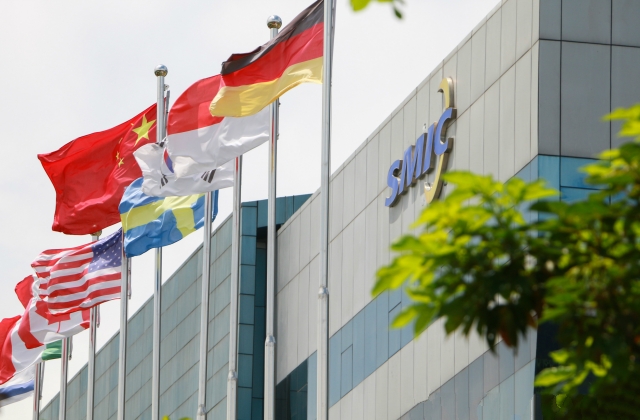
SMIC, or the Semiconductor Manufacturing International Corporation in China, revealed its plans to build a new plant in Shenzhen. The project will cost $2.35 billion, and it was reported that the government is willing to provide funds for it.
The joint funding for the project
CNBC reported that SMIC and the government of Shenzhen would jointly fund the building of the company’s factory. The said Chinese territory is known to be China’s technology hub, and it is home to several big tech firms, including Huawei and Tencent.
As there is a massive chip shortage worldwide today, the company is said to be the key to Beijing’s plans to bolster self-sufficiency in the semiconductor business amid tensions with the U.S.
The strain exposed the country’s reliance on foreign technology, so the factory is being seen as the answer to be self-sufficient in the years to come. It should also be noted that SMIC is actually China’s largest chipmaker; thus, it is getting support from the administration.
Expectations from SMIC’s Shenzhen plant and funding details
Once completed, the new factory is expected to help SMIC to increase its production capacity and become sufficient with the so-called 28 nanometers and above chips. These are said to be an old technology since South Korea’s Samsung and Taiwan’s TSMC are producing 5-nanometer semiconductors, which are the most advanced chips to date. These are mostly installed on smartphones.
Additionally, as per the South China Morning Post, the SMIC in Shenzhen is aiming to manufacture 40,000 pieces of 12-inch wafers every month. The semiconductor company is targeting 2022 as the starting date for the production in the factory to commence.
For the funding arrangements, it was reported that in the $2.35 billion investment for the facility, SMIC will be paying 55% while the Shenzhen government will give 23%. The remaining capital will be coming from third-party investors.
“By seizing the opportunity in Shenzhen to develop the integrated circuit industry, the project can meet growing market and customer needs and promote our development,” SMIC said in a statement.
Meanwhile, despite being blacklisted and sanctioned by the U.S., SMIC was still able to report record-high results of $3.91 billion for the full year of 2020 due to the high demand for chips.







