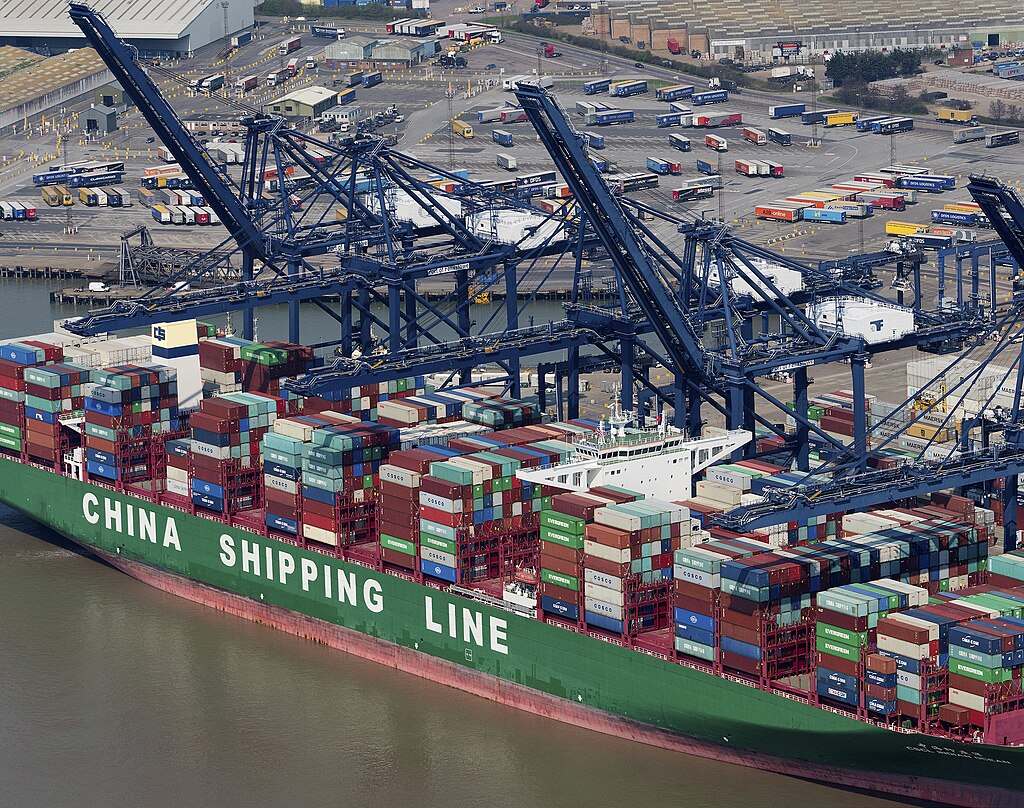
China has rejected Washington’s latest tariff threats, stating it will ignore the U.S.’s “tariff numbers game,” as tensions between the world’s two largest economies continue to escalate. The response follows a White House fact sheet detailing tariffs of up to 245% on Chinese goods, including a 125% reciprocal tariff, a 20% levy addressing the fentanyl crisis, and additional duties ranging from 7.5% to 100% on specific imports to counter alleged unfair trade practices.
U.S. President Donald Trump recently imposed broader tariffs on all trading partners but quickly rolled back the hikes for most countries—except China. In response, Beijing increased its own tariffs on U.S. goods, refusing to engage in dialogue unless it is based on mutual respect and equality. As bilateral negotiations stall, other countries have begun exploring separate trade deals with the United States.
Beijing has also lodged a new complaint with the World Trade Organization, accusing the U.S. of violating global trade rules and expressing “grave concern” over what it views as unlawful tariffs. The latest developments signal deepening strains in the already fragile U.S.-China trade relationship.
In a notable move, China has replaced its top trade negotiator, appointing Li Chenggang—its envoy to the WTO—to succeed Wang Shouwen. The reshuffle comes at a critical moment, as China prepares for any potential resumption of talks.
Meanwhile, the White House reiterated Trump’s willingness to strike a deal but emphasized that China must “make the first move,” stating that Beijing needs “our money.” As the tariff dispute intensifies, market watchers remain cautious over the broader implications for global trade and economic stability.