


 Yen Sinks as BOJ Rate Hike Fails to Impress Markets
  Clearpool Expands to XRP Ledger, Plans CLEAR Token Migration
  RBI Uses $10 Billion Currency Swaps to Drain Excess Rupee Liquidity
  Trump Demands Powell Resign Over Fed Renovation Cost Overruns
  European Stocks Diverge as French Fiscal Crisis Hits CAC 40
  RBI Rate Hike Bets Surge as Inflation Rises
  Stellar Leads RWA Tokenization Growth With $36.4M Inflow
  Jay Clayton Named Trump’s AI Czar as XRP Past Resurfaces
  German Industrial Orders Plunge 10.6% in August
  Oil Prices Fall as Middle East Exports Recover, G7 Eases Supply Fears
  Chainalysis AI Traces $387M Bitget Hack in Under 10 Minutes
  Asian Currencies Steady as Dollar Holds Near 18-Month High
  Bitcoin Outflows From Binance Hit Three-Year High as Whales Accumulate
  Samsung, SK Hynix Shares Fall Ahead of Q3 Earnings
  Wall Street Rises as Oil Prices Ease, Nasdaq Hits Record
  Ukraine Faces $56 Billion Budget Gap as War Costs Soar


 Add as a preferred source on Google
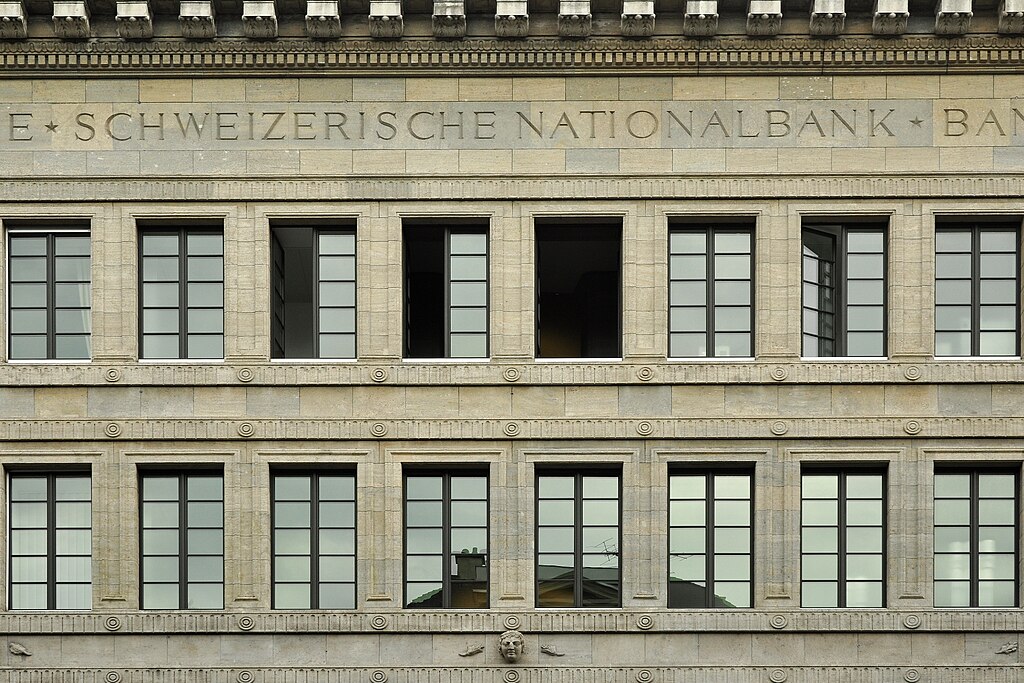
The Swiss National Bank (SNB) has warned of a highly uncertain economic outlook due to rising trade and geopolitical tensions, emphasizing the need to strengthen UBS oversight. In its 2025 Financial Stability Report, the SNB cited global public debt near historic highs, stretched valuations in residential real estate, U.S. stocks, and corporate bonds as key risk factors that could magnify negative economic shocks.
The SNB noted that while the Swiss banking sector’s profitability improved in 2024—largely driven by UBS—regulatory weaknesses persist. Capital and liquidity buffers remain robust, contributing to financial system resilience, but further regulatory action is needed. The central bank backed recent proposals from the Swiss government aimed at crisis prevention, particularly targeting UBS, now Switzerland’s sole major bank after its 2023 acquisition of Credit Suisse.
Highlighting UBS’s exposure, the SNB stated that its loss potential under stress scenarios remains significant. It also endorsed a key government measure requiring UBS to deduct foreign subsidiary holdings from its Common Equity Tier 1 (CET1) capital, calling it the “best solution” from a financial stability perspective.
The report reflects growing concerns about systemic risks in the global financial system and the outsized role of UBS in the Swiss economy. The SNB’s stance signals a push for tighter regulations to mitigate future risks amid uncertain global conditions.







