


 The American mass exodus to Canada amid Trump 2.0 has yet to materialize
  The pandemic is still disrupting young people’s careers
  What is Zionism? The different meanings of a contested term
  Britain has almost 1 million young people not in work or education – here’s what evidence shows can change that
  Google promotes ‘teacher approved’ apps for kids. Here’s what parents should know
  Time to buy local: war fuel price shocks reveal the folly of a long food supply chain
  The Beauty Beneath the Expressway: A Journey from Self to Service
  The ghost of Robodebt – Federal Court rules billions of dollars in welfare debts must be recalculated
  Yes, government influences wages – but not just in the way you might think
  Want to cut your energy bills? Here’s how five experts are doing it
  Office design isn’t keeping up with post-COVID work styles - here’s what workers really want
  Stuck in a creativity slump at work? Here are some surprising ways to get your spark back
  AI is driving down the price of knowledge – universities have to rethink what they offer
  Why financial hardship is more likely if you’re disabled or sick


 Add as a preferred source on Google
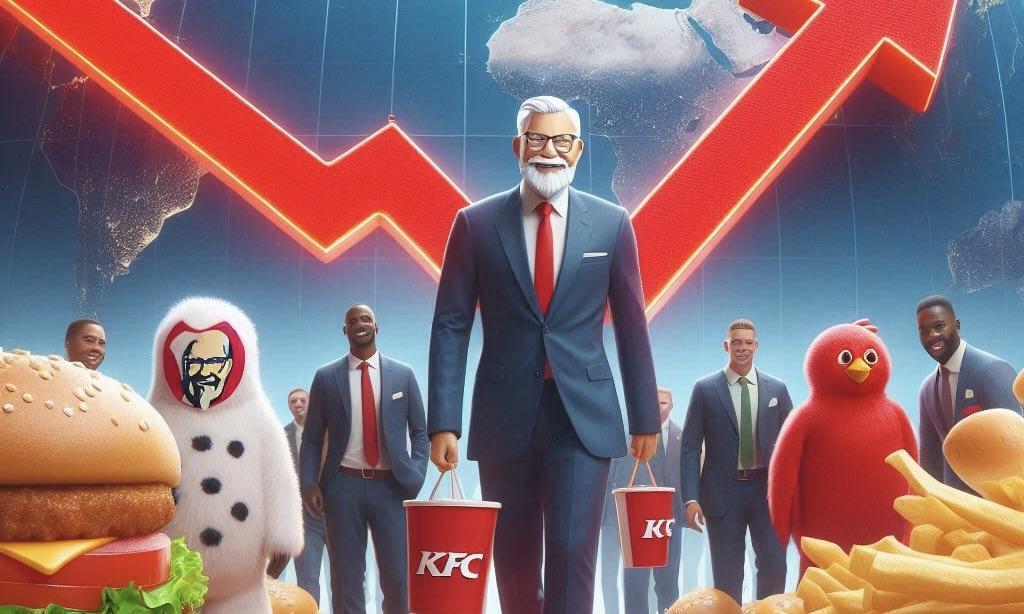
Global fast-food giants are grappling with declining sales as rising prices deter consumers. KFC, Burger King, and McDonald’s have reported drops in same-store sales, underscoring the industry's struggle to attract cost-conscious customers in a challenging economic climate.
Global Sales Slump Hits KFC and Burger King, Reflecting Broader Fast-Food Industry Challenges
In a recent report by Business Insider, the challenges fast-food giants face are not isolated incidents but global trends. Recent earnings have revealed dips in international sales, with McDonald’s setting the tone last week by reporting a decline in worldwide sales for the most recent quarter. Burger King’s parent company, Restaurant Brands International, and Yum! Brands, which owns KFC, have also posted disappointing results, underscoring the global nature of the issue.
Yum! Brands, overseeing KFC, Taco Bell, and Pizza Hut, saw a 2% drop in same-store sales worldwide year-over-year. KFC, its largest brand, reported a 5% decline in same-store sales in the U.S.
Restaurant Brands International, which includes Burger King, Tim Hortons, and Popeyes, reported a modest 0.3% increase in same-store sales for the group in Q3—falling below expectations. Burger King’s U.S. comparable sales dropped by 0.4%, while Popeyes saw a more significant decline of 3.8%. Globally, these brands experienced a decrease of 0.7% and 4%, respectively.
Taco Bell and Tim Hortons Shine Amid Fast-Food Slump, Drawing Value-Seeking Diners
Despite the overall decline, some brands have managed to weather the storm. In the U.S., Tim Hortons and Taco Bell provided a glimmer of hope for their parent companies, reporting sales growth. Taco Bell, in particular, has been a beacon of resilience, attracting diners with its affordable fast-food options and value menus.
Fast-food chains have been grappling with rising prices, which have deterred consumers. In response, chains have raised menu prices since the pandemic to address increasing food and labor costs. McDonald’s, KFC, and Burger King have introduced new value menu deals to attract customers. However, these efforts, while commendable, have proven insufficient for some. Consumers are increasingly exploring alternatives like independent restaurants, casual dining chains, or home cooking as they seek more affordable options.







