


 Tencent Shares Fall as $5 Billion AI Bond Sale Weighed
  IMF, World Bank Meetings Face Global Economic Risks Amid Iran War
  Philippines Current Account Deficit Seen at $19.1 Billion in 2026
  US Dollar Rises for Fourth Week as Fed Rate Hike Bets Grow
  US Dollar Near 18-Month High Ahead of Inflation Data
  TSMC Profit Set to Surge 65% as AI Chip Demand Drives Record Earnings
  Apple Supplier Luxshare Faces US Patent Probe, Sees Limited Impact
  South Korea Blocks 27 Crypto Exchange Websites in Regulatory Crackdown
  OpenAI Annualized Revenue Hits $50 Billion, Below Earlier Estimates
  US Suspends Microsoft, Adobe From Green Card Program
  Oil Prices Rise as Houthi Attacks Threaten Middle East Supply
  UK Finance Minister Healey Calls for Fiscal Discipline Amid Global Risks
  Oracle Uses Trucked Natural Gas to Power AI Data Centers Amid Pipeline Delays
  Visa Wins China Approval to Prepare Domestic Payments Expansion
  European Stocks Rise as Oil Prices Fall Ahead of US CPI
  Syndax Stock Drops 15% After Axatilimab Trial Failure


 Add as a preferred source on Google
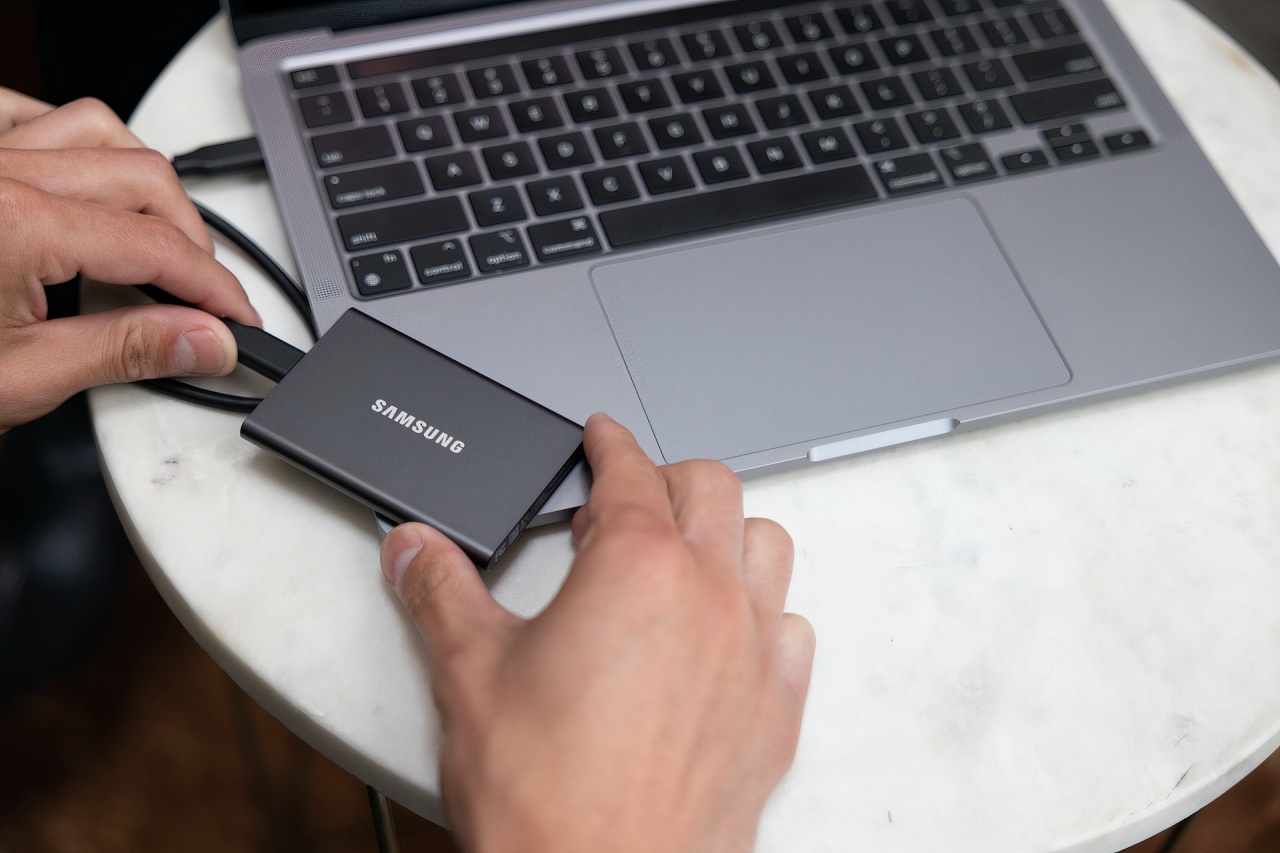
Samsung Electronics and LG Electronics are said to be on their toes following reports that China may implement a ban on parts for electric vehicles from foreign companies. This is possible as Beijing’s trade war with the United States and the European Union is building up.
According to The Korea Times, the escalation of the trade war is feared by many organizations because it can cause a wave of negative effects. In the case of Samsung Electronics, LG Electronics and other firms that make automotive parts in South Korea, they may also experience unexpected effects, according to trade experts.
Samsung and LG Electronics are said to have started being alert after a Japanese paper reported that China issued an order directed to local EV manufacturers. They were allegedly told to lessen the use of imported electronic components such as semiconductors. The publication indicated that the directive was only delivered verbally.
It was further claimed that a former minister of industry and information technology in China also pressed for setting a fixed proportion of locally produced EV components. He also suggested that EV companies must be penalized if they fail to comply with the set targets.
If the order is implemented and made official, concerns are growing that the Chinese government’s latest move may also hurt Samsung and LG. Both companies have been continuously expanding their automotive electronics business, and a ban from China may slow down their business.
Seoul Daily News further stated that the problem with the possible barring of auto parts import to China is that Samsung Electronics and LG Electronics have already set out and made automotive semiconductor and electronics industries their new growth engines. This is the reason why they have been making large-scale investments in this area.
The conflict between China, the U.S., and the EU will trigger the implementation of the export restriction for foreign auto parts. As a result, LG and Samsung will inadvertently suffer damage.
"Samsung and LG have led the market through large-size investments, but if the Yomiuri Shimbun's report turns out to be true, they will not be able to avoid competition with Chinese companies," Korea International Trade Association's (KITA) analysis and forecasting director, Austin Chang, said in a statement. "Amid the growing export of Chinese EVs, the country's EV makers will add value to their products, if they hold the lead in the automotive electronics industry."
Photo by: Samsung Memory/Unsplash







