


 Bumble Shares Surge 50% on $1 Billion Buyout Talks
  Orsted to Take Full Ownership of UK Offshore Wind Farm for £15 Million
  Airbus Tests Valkyrie Combat Drone in Europe for Eurofighter Integration
  Meta Launches Muse Wonder AI Models, Shares Rise 3.7%
  Apple Supplier Luxshare Faces US Patent Probe, Sees Limited Impact
  Coinbase CEO Backs SEC Accredited Investor Reform
  Canton Network Expands in South Korea With Major Partnerships
  Arthur Hayes Announces FLOP Testnet Launch Within Weeks
  Samsung, SK Hynix Shares Fall as China's CXMT Advances DRAM Technology
  Nvidia’s China AI Chip Market Share Falls to 34% as Huawei Gains Ground
  Epic Games Delays Disney Shooter, Shifts to AI-First Development
  TSMC Profit Set to Surge 65% as AI Chip Demand Drives Record Earnings
  Nasdaq Faces Pullback to 26,225 Despite Bullish Outlook, UBS Says
  South Korea Blocks 27 Crypto Exchange Websites in Regulatory Crackdown
  Moonshot AI Executives Seek Settlement Ahead of Hong Kong IPO
  Albertsons Seeks $9.3 Billion From Kroger Over Failed Merger
  Russia Approves Sberbank for Crypto Exchange Services


 Add as a preferred source on Google
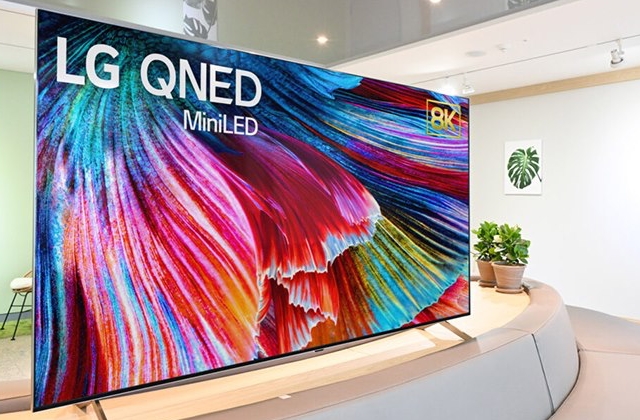
Samsung and LG were not able to register the QNED trademark at the U.S. Patent and Trademark Office. Based on the documents, the South Korean electronics companies were both rejected by the patent office when they tried to register.
The filing of patent and why it was refused
The Korea Times reported that the USPTO informed Samsung Display on Feb. 25 that its registration for the "QNED" trademark was denied. The office explained that it was turned down as the mark simply “describes an important feature and characteristic of the applicant's goods."
It was disclosed that Samsung Display applied for the QNED trademark in September 2020, and apparently, it took almost half a year before the patent office released its decision. It turned out that it was not just Samsung that applied for the same patent, but LG Electronics also did.
LG was notified about the rejection of its application earlier than Samsung. The notice came in January, and the reason for the denied registration was the same, that QNED is "merely descriptive."
Can LG or Samsung use the QNED label?
The U.S. patent office said that Samsung could use the name, but a disclaimer should be added stating that it has no claim to the exclusive right to use the QNED mark. Moreover, since LG also applied for the same patent, the U.S. authority informed the companies that if either company registers, their own mark may be denied because it could cause confusion with the registered patent.
In any case, QNED stands for Quantum Nano-Emitting Diode, and Samsung and LG are feuding over what they will name their next-generation display technology. It seems that while they are in dispute, no one can claim the name instead.
Meanwhile, Business Korea reported that LG also applied for the QNED trademark patent in South Korea, Europe, and Australia, and Samsung also did. The U.S. was the first to release a result after a review of their applications, and the other countries are still reviewing the companies’ filings.
LG is ahead in other trademark applications for NQED and QNLED, which are all for the display panels on mobile devices and TVs. Finally, the USPTO stated that LG can still reapply for the patent if it wishes to. The reapplication can be done after six months, and the company needs to add supplemental documents so it can attain the patent trademark it is after.







