


 Supreme Court Takes Up Exxon, Suncor Climate Case
  Apple iPhone 18 Pro Sales Jump 12% in China
  Samsung Invests $1 Billion in KKR’s Helix AI Infrastructure
  XRP Ledger Batch Upgrade Set for October 9 Mainnet Launch
  Zcash NU7 Testnet Cuts Block Time to 25 Seconds
  OpenAI, Anthropic Back Mandatory AI Breach Reporting in Australia
  California AG Subpoenas OpenAI Over AI Cybersecurity Incidents
  Strategy’s STRC Nears $100, Raising Prospects for Major Bitcoin Buys
  Nvidia-Backed Reflection AI Launches Beam Open-Weight Model
  Anthropic Targets $2 Trillion Valuation in Planned IPO
  Firmus Grid IPO Draws Strong Demand, Nvidia and Blackstone Could Raise Stakes
  Trump, Tech Leaders Sign ‘Morally Binding’ AI Safety Accord
  Meta and Microsoft Cut Internal Claude AI Use
  Tencent Signs $7 Billion Oracle AI Chip Lease Deal
  Lucid Q3 Deliveries Miss Estimates as Production Falls 38%
  AAVE, PUMP, WLD and SKY Rally as Crypto Market Slips
  Micron Forecast Tops Estimates as AI Memory Demand Stays Strong


 Add as a preferred source on Google
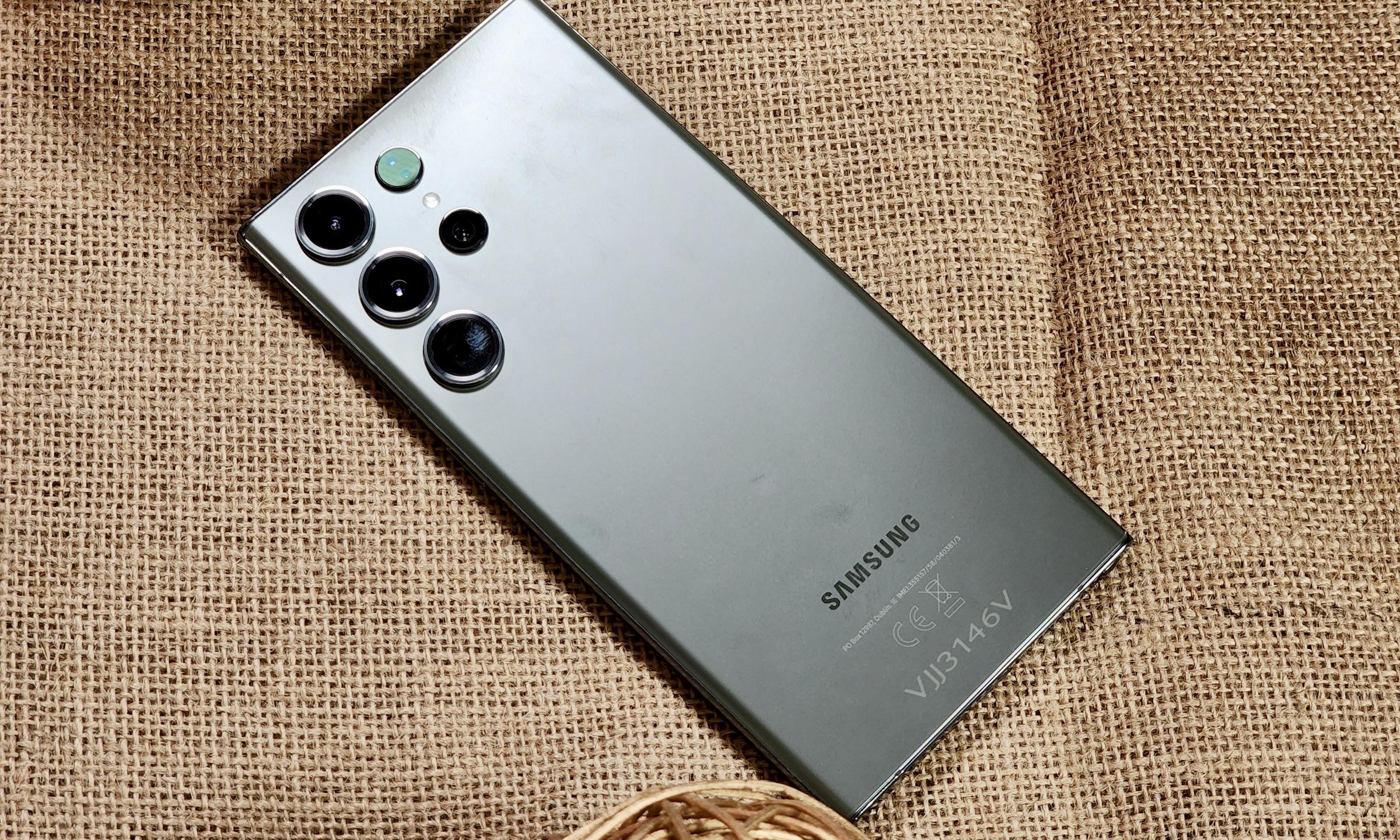
Samsung is reportedly preparing to equip the Galaxy S25 series with the Exynos 2500, a chipset that utilizes 3nm technology and may perform better than Qualcomm's Snapdragon 8 Gen 4.
For the next Galaxy S25 series, Samsung is reportedly sticking to a dual-chipset launch strategy, with some markets selling the Exynos 2500 versions and others the Snapdragon 8 Gen 4.
Samsung's Strategic Advancements with 3nm SoC Technology
Samsung is expected to step up next year and mass-produce the Exynos 2500 using its second-generation 3nm technology. This could provide the SoC with power-saving features that far outweigh Qualcomm's anticipated Snapdragon 8 Gen 4, as per Wccftech.
Exynos 2500 vs. Snapdragon 8 Gen 4: Who Leads the Race?
According to PandaFlash on X, who has previously posted that the Exynos 2500 beats the Snapdragon 8 Gen 3 in both CPU and GPU areas, is the source of the rumor.
Samsung may have tested the silicon on its second-generation 3nm process, enabling the new SoC to operate at faster clock speeds while maintaining the same power consumption level to achieve this performance. Since the Exynos 2400 also utilizes Samsung's cutting-edge "Fan-out Wafer Level Packaging," or FOWLP, we won't be shocked to learn that the Exynos 2500 does too.
To put it briefly, FOWLP lowers the package size of the chipset and boosts its heat resistance, which enables it to operate at full capacity for more extended periods and ultimately raises its multi-core score. If the claim is valid, it won't be easy to outperform the Snapdragon 8 Gen 4. However, we have already revealed that Qualcomm's flagship SoC is having problems with power consumption, which is causing phone manufacturers to use large 5,500mAh batteries to make up for this problem.
With the Exynos brand, Samsung might have a chance to improve its standing in this area, but only if it can solve the yield issue with its second-generation 3nm technology.
The Korean giant's foundry unit was previously only expected to produce a meager 20% yield for the 3nm node. Still, that percentage has dramatically increased to three times the prior figure, narrowing the gap to TSMC's advancement but still trailing far behind.
Due to the decreased yield, the Exynos 2500 will cost more since Samsung will have to pay more to build each 3nm wafer.
Fortunately, the company still has a few months before moving into mass production. It will be within a reasonable range if it can increase those yields to 65% by then. Readers need to understand that this is just another unverified rumor, and until we have solid benchmarks, any details about the Exynos 2500 should be approached with skepticism.
Photo: Evgeny Opanasenko/Unsplash







