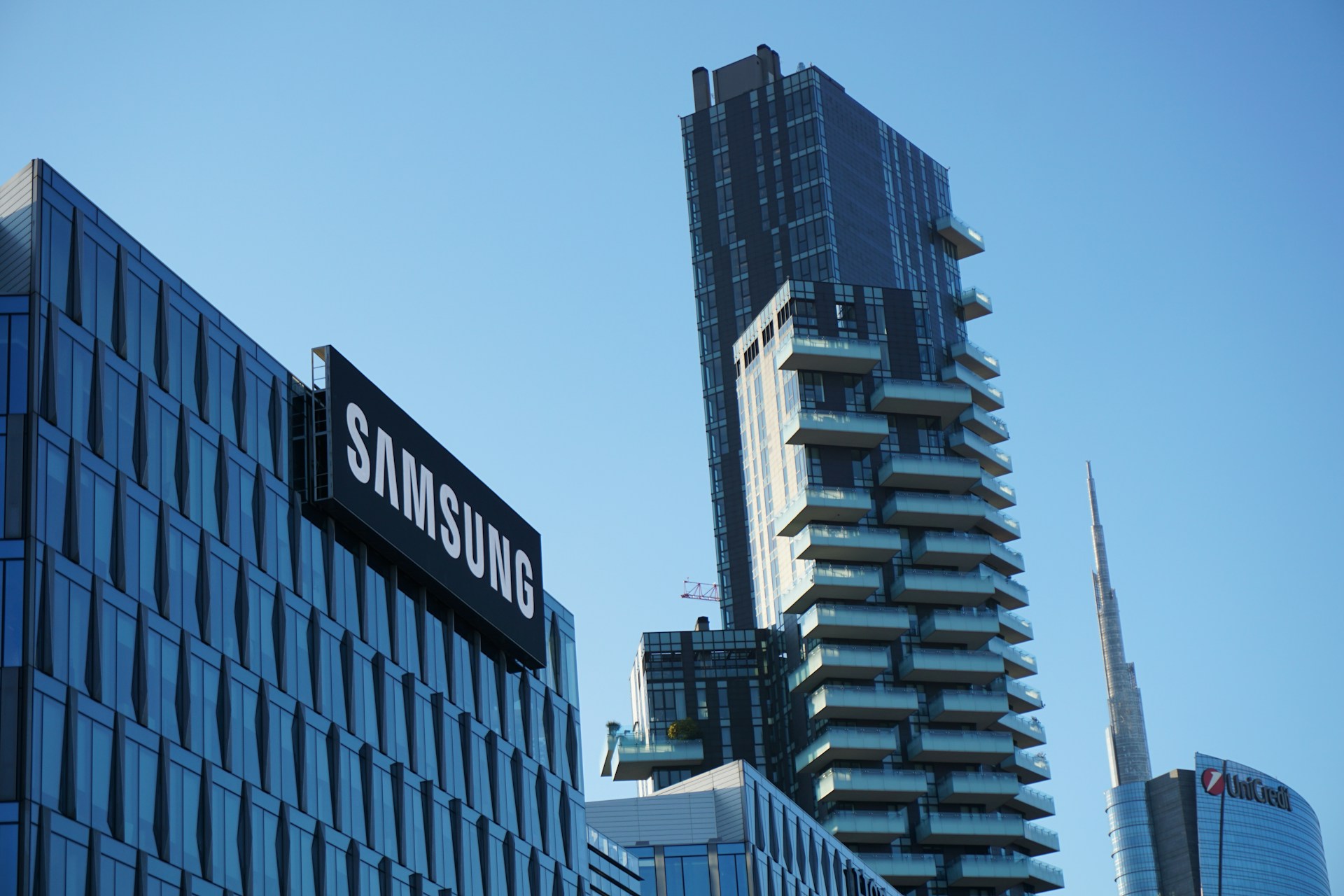
Samsung Electronics has significantly raised prices on several memory chips this month, with some DDR5 modules jumping as much as 60% compared to September. The sharp increase highlights the intensifying global demand for components used in AI data centers, pushing major chipmakers and server manufacturers into a supply squeeze.
According to industry sources, Samsung—currently the world’s largest memory chip supplier—held back October contract price announcements before implementing the steep hikes. The company’s 32GB DDR5 module now costs around $239, up from $149 just two months earlier. Prices for 16GB and 128GB DDR5 modules climbed about 50%, reaching $135 and $1,194 respectively, while 64GB and 96GB modules rose more than 30%.
These aggressive price increases come at a time when major server builders and data center operators are scrambling for limited supply. Industry executives noted that extreme premiums have become common as buyers accept they won’t receive enough inventory to meet demand. The pressure is spreading beyond AI infrastructure, with rising chip costs expected to impact smartphone, PC, and consumer electronics production.
Following reports of Samsung’s price moves, shares of Samsung, SK Hynix, and U.S.-based Micron Technology surged, recovering ground lost earlier due to concerns about overinflated AI valuations. Analysts say the shortage has triggered panic buying in some sectors, with companies like China’s SMIC and smartphone maker Xiaomi warning about rising component costs.
Samsung, which has trailed competitors in advanced AI chips, is now benefiting from stronger pricing power. The company also announced plans for a new production line in South Korea to meet long-term AI-driven demand.
TrendForce analysts expect Samsung’s contract prices to rise 40%–50% in the fourth quarter—well above industry averages—driven by strong demand and long-term supply agreements extending into 2026 and 2027.