U.S. President Donald Trump is expected to meet Chinese President Xi Jinping in May 2026 during his first trip to China in eight years, as tensions between the world’s two largest economies continue to reshape global trade, technology, and energy markets.
Since Trump returned to the White House in 2025, Washington and Beijing have engaged in an intense economic rivalry marked by tariffs, sanctions, export controls, and strategic negotiations. In May 2026, China invoked its anti-sanctions law in response to U.S. blacklisting measures targeting Chinese refineries accused of purchasing Iranian oil. Beijing warned domestic firms against complying with American sanctions, signaling a tougher stance against U.S. pressure.
The dispute intensified in April after China’s State Council granted authorities broader powers to investigate foreign entities accused of disrupting supply chains or applying discriminatory trade measures. Chinese officials also explored tighter export restrictions on advanced solar panel manufacturing equipment destined for the United States. Meanwhile, Washington imposed sanctions on several Chinese refineries linked to Iranian oil imports.
Despite rising tensions, both sides maintained diplomatic engagement. Chinese Vice Premier He Lifeng, U.S. Treasury Secretary Scott Bessent, and U.S. Trade Representative Jamieson Greer held several rounds of trade talks described as “constructive.” Discussions covered tariffs, semiconductor exports, rare earth minerals, shipping restrictions, and agricultural trade.
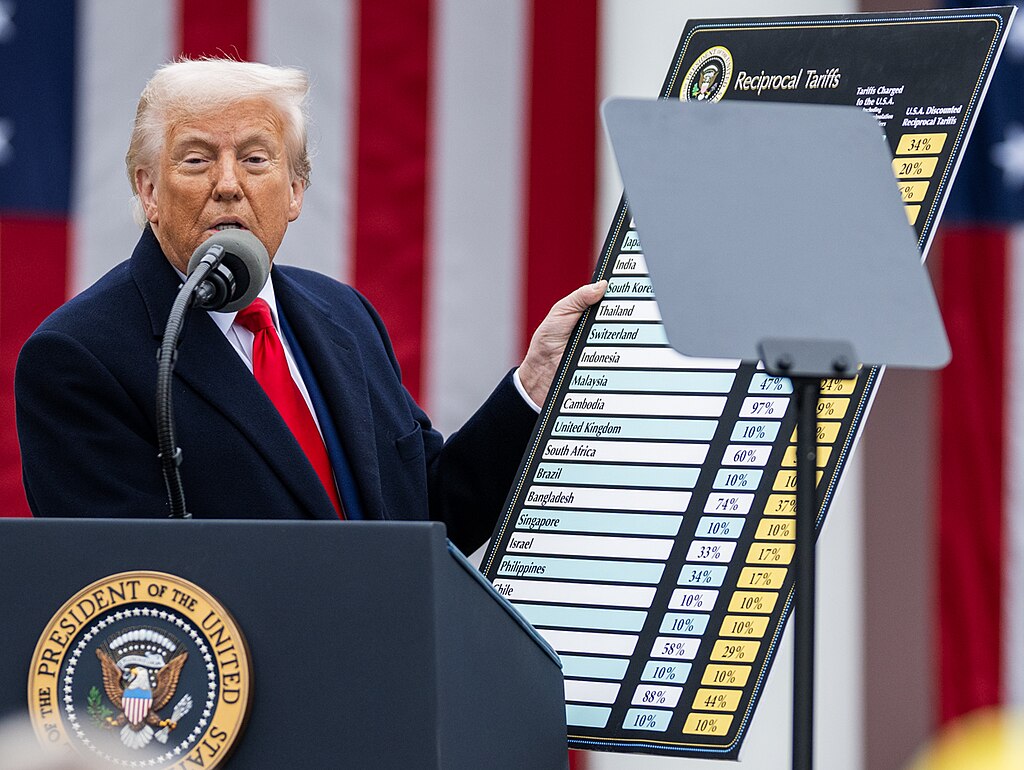
Throughout 2025, the trade conflict escalated sharply after Trump introduced sweeping “Liberation Day” tariffs on imports from China. Beijing retaliated with countermeasures and restrictions on rare earth exports, causing tariffs on both sides to surpass 100%. Temporary truces later eased some pressure, with agreements involving soybean purchases, fentanyl enforcement cooperation, and limited technology export approvals.
China also expanded its influence over critical minerals and semiconductor supply chains, while the United States tightened controls on software and artificial intelligence chip exports. The upcoming Trump-Xi meeting is expected to play a crucial role in determining the future direction of U.S.-China relations and global economic stability in 2026.